
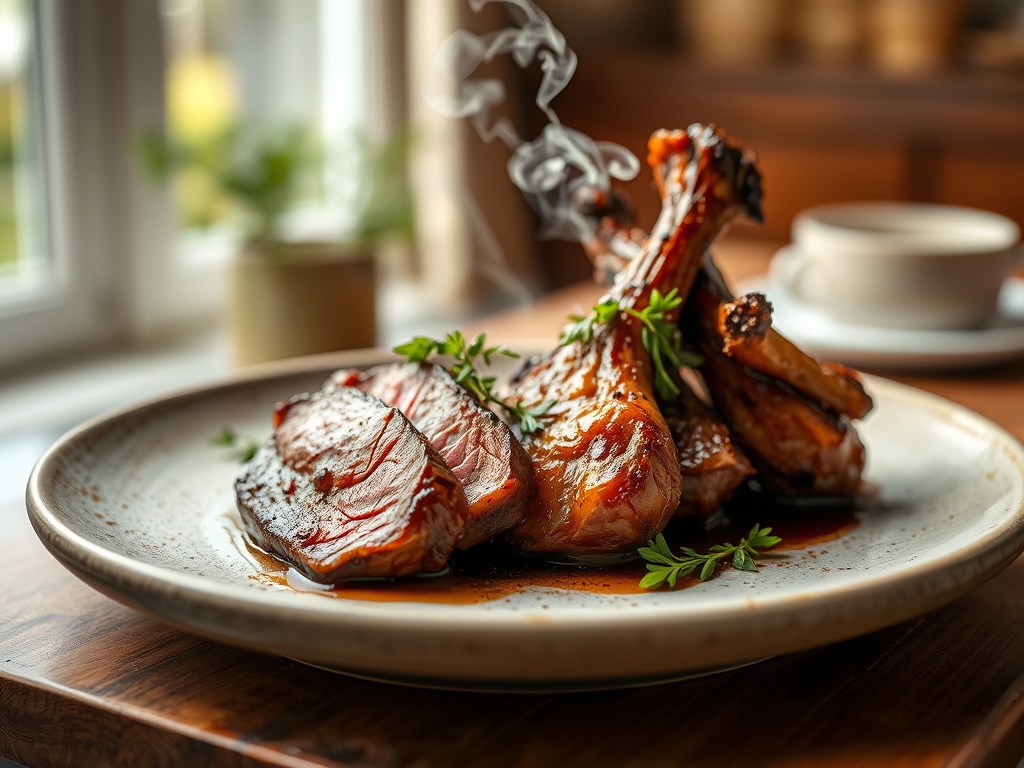
Picture this: a heavy-bottomed skillet rests on your stovetop; the air is thick with the scent of rosemary and rendered fat. You are about to transform a humble, tough cut of meat into a masterpiece of tenderness. When searching for arm roast beef recipes, most people expect a standard slow-cooker dump meal. We are going beyond that today. We are diving into the molecular transformation of connective tissue into silky gelatin. The arm roast, specifically the bovine triceps brachii, is a hardworking muscle. It is leaner than its cousin, the chuck roast, but boasts a deep, beefy flavor that rewards the patient chef. This is not just a dinner; it is a lesson in thermodynamics and flavor layering. We are going to treat this beef with the respect it deserves, using high-heat searing to trigger the Maillard reaction before a long, low braise. By the time we are finished, the meat will yield to the mere suggestion of a fork. Grab your apron and your favorite tongs; we are about to make magic in the kitchen.
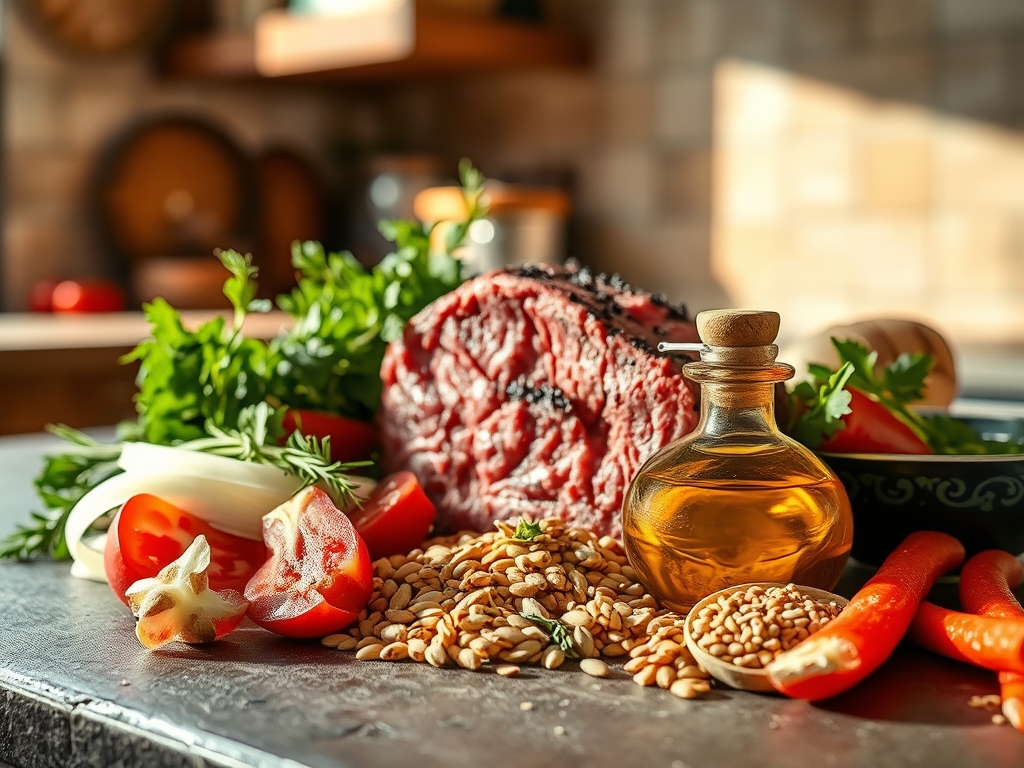
The Gathers:
Before we ignite the flame, we must organize our mise-en-place. Precision is the hallmark of a great cook. You will need a three to four pound arm roast, preferably one with the round marrow bone still intact. That bone is a treasure chest of collagen and minerals that will create a viscous, rich sauce. For the aromatics, gather three large carrots, two stalks of celery, and one massive yellow onion. We are looking for a classic mirepoix ratio. You will also need four cloves of garlic, smashed to release their sulfurous compounds, and a bundle of fresh thyme and rosemary tied with kitchen twine.
For the braising liquid, have 500 milliliters of high-quality beef bone broth and 250 milliliters of a dry red wine, such as a Cabernet Sauvignon. The acidity in the wine is crucial for breaking down muscle fibers. You will also need high-smoke-point oil (like avocado or grapeseed oil), kosher salt, and freshly cracked black pepper.
Smart Substitutions:
If you are avoiding alcohol, swap the wine for an equal amount of beef broth plus two tablespoons of balsamic vinegar to maintain that piquant acidity. If you cannot find an arm roast, a bottom round or a traditional chuck roast will work, though the fat content will vary. For a mushroom-forward profile, add dried porcini mushrooms to the braise to boost the umami depth. Use a microplane to zest a bit of lemon over the finished dish to provide a bright contrast to the heavy fats.
The Clock
Efficiency in the kitchen is about the Chef's Flow. This is the art of overlapping tasks so that no time is wasted. Your active prep time will take approximately 30 minutes. This includes dicing your vegetables and searing the meat. The passive cooking time is where the heavy lifting happens: expect 3 to 4 hours in a 300-degree Fahrenheit oven.
The flow works like this: while the meat sears (which takes about 10 to 12 minutes), you should be dicing your mirepoix. Once the meat is resting on a plate, the vegetables go straight into the rendered fat. By the time the oven is preheated, your pot is deglazed and ready to be tucked away. This method ensures your kitchen is clean by the time the timer dings.
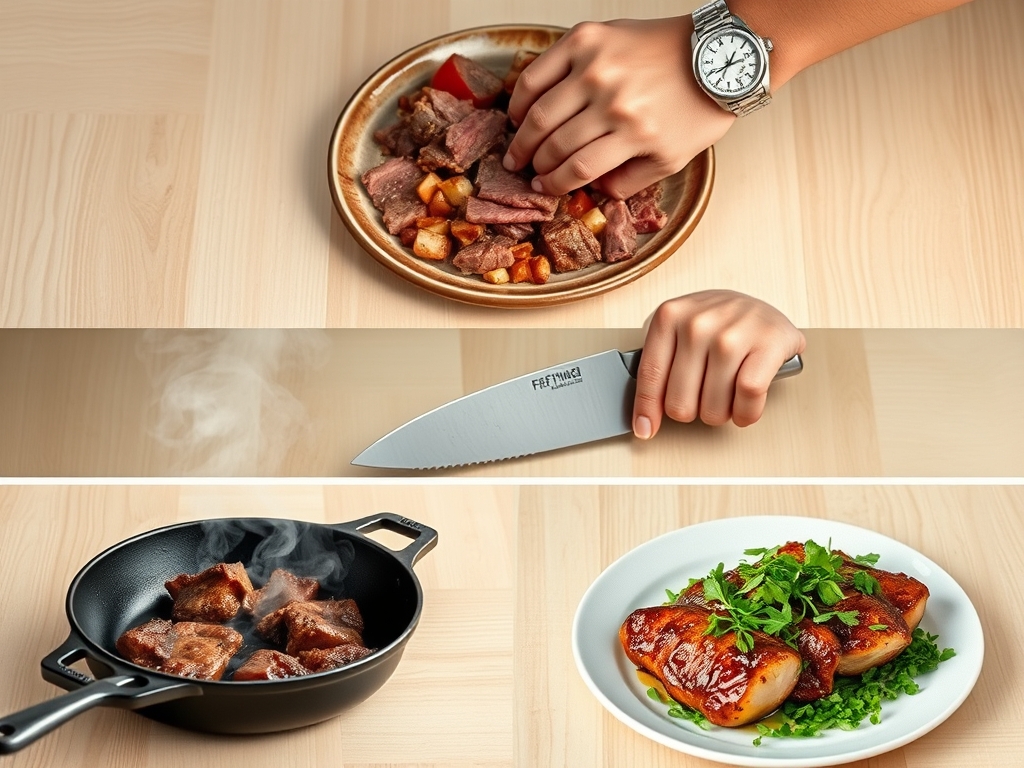
The Masterclass
1. The Salt Cure and Tempering
Begin by patting the beef bone-dry with paper towels. Moisture is the enemy of a good sear. Season aggressively with kosher salt and black pepper on all sides. Let the meat sit at room temperature for 45 minutes.
Pro Tip: This is called tempering. Allowing the meat to lose its refrigerator chill ensures even heat distribution during the sear, preventing a gray, overcooked exterior and a raw interior.
2. The Maillard Transformation
Heat your heavy-bottomed skillet or Dutch oven over medium-high heat with two tablespoons of oil. Once the oil shimmers, add the beef. Do not move it for at least four minutes. Use your tongs to flip it once a deep, mahogany crust forms.
Pro Tip: This is the Maillard reaction, a chemical reaction between amino acids and reducing sugars that creates hundreds of different flavor compounds. It is the difference between "boiled meat" and "gourmet beef."
3. Aromatics and the Fond
Remove the beef and set it aside. Lower the heat and add your onions, carrots, and celery to the pan. Use a wooden spoon to scrape the brown bits off the bottom.
Pro Tip: Those brown bits are called fond. They are concentrated nuggets of flavor. By sautéing the vegetables in the residual fat, you are infusing the mirepoix with the essence of the beef.
4. Deglazing the Vessel
Pour in your red wine. Use your spoon to vigorously scrape the bottom of the pot until it is clean. Let the liquid reduce by half.
Pro Tip: Deglazing uses the solvent properties of alcohol and water to lift the fond into the liquid, creating a complex base for your sauce that is chemically balanced between fat and acid.
5. The Low and Slow Submersion
Nestle the beef back into the pot along with the garlic and herbs. Pour in the beef broth until the liquid reaches halfway up the side of the roast. Cover with a tight-fitting lid and place in the oven.
Pro Tip: Braising is a form of hydrolytic breakdown. The moist heat slowly converts tough collagen into gelatin, which lubricates the muscle fibers and creates that melt-in-your-mouth texture.
6. The Rest and Carryover
Once the meat reaches an internal temperature of 205 degrees Fahrenheit, remove it from the oven. Transfer the beef to a carving board and tent it loosely with foil for 20 minutes.
Pro Tip: Thermal carryover will cause the internal temperature to rise slightly while resting. More importantly, this allows the muscle fibers to relax and reabsorb the juices, ensuring the meat stays succulent when sliced.
7. The Saucier Finish
While the meat rests, strain the braising liquid into a saucier. Simmer it over medium heat until it thickens into a glossy glaze.
Pro Tip: This is a reduction. By evaporating the water, you are concentrating the solutes (flavor and gelatin), resulting in a sauce that coats the back of a spoon without needing a flour thickener.
The Deep Dive
Macro Nutrition:
A standard six-ounce serving of arm roast provides approximately 45 grams of protein and 18 grams of fat. It is an excellent source of Vitamin B12, Zinc, and Selenium. Because we are braising, the fat is largely rendered into the sauce, which can be skimmed if you prefer a leaner meal.
Dietary Swaps:
For a Keto version, omit the carrots and use radishes or turnips instead; they mimic the texture of potatoes without the starch. For a Vegan alternative, this technique works beautifully with large "steaks" of lion's mane mushrooms or a whole roasted head of cauliflower. For Gluten-Free diners, ensure your beef broth is certified, as some brands use barley-based colorings.
The Fix-It:
- Meat is Tough: It simply hasn't cooked long enough. Put it back in for another 30 minutes. Collagen breakdown is a function of time and temperature.
- Sauce is Salty: Do not add salt until the very end. As the sauce reduces, the salt concentrates. If it is too salty, add a splash of water or a peeled potato to absorb some of the excess.
- Greasy Surface: Use a wide spoon to skim the "islands" of fat off the top, or use a fat separator.
Meal Prep:
To reheat, do not use a microwave. Place the beef and sauce in a covered dish in a 300-degree oven. This gentle re-thermalization prevents the proteins from tightening up and becoming rubbery.
The Wrap-Up
You have just mastered one of the most technical yet rewarding arm roast beef recipes in the culinary playbook. By understanding the science of the sear and the patience of the braise, you have turned a "budget cut" into a five-star dining experience. Whether you are serving this over creamy polenta or alongside garlic mashed potatoes, remember that the secret ingredient is always the control of heat. Now, pour yourself a glass of that leftover Cabernet and enjoy the fruits of your labor!
The Kitchen Table
Can I cook this in a slow cooker?
Yes, follow the searing and deglazing steps first. Transfer everything to the slow cooker and cook on low for 8 hours. This ensures you don't lose the flavor complexity of the Maillard reaction.
What is the difference between arm roast and chuck roast?
The arm roast comes from the shoulder near the leg and contains a round bone. It is slightly leaner and more muscular than a chuck roast, requiring a longer braise to achieve tenderness.
Why is my braising liquid so thin?
If your liquid is thin, you likely had too much water or didn't reduce it enough. Simmer the strained liquid in a saucier over high heat until it reaches a syrupy, viscous consistency.
Do I have to sear the meat first?
While not strictly mandatory for safety, searing is essential for flavor. Without it, you miss out on the complex aromatic compounds created by the Maillard reaction, resulting in a bland, gray roast.