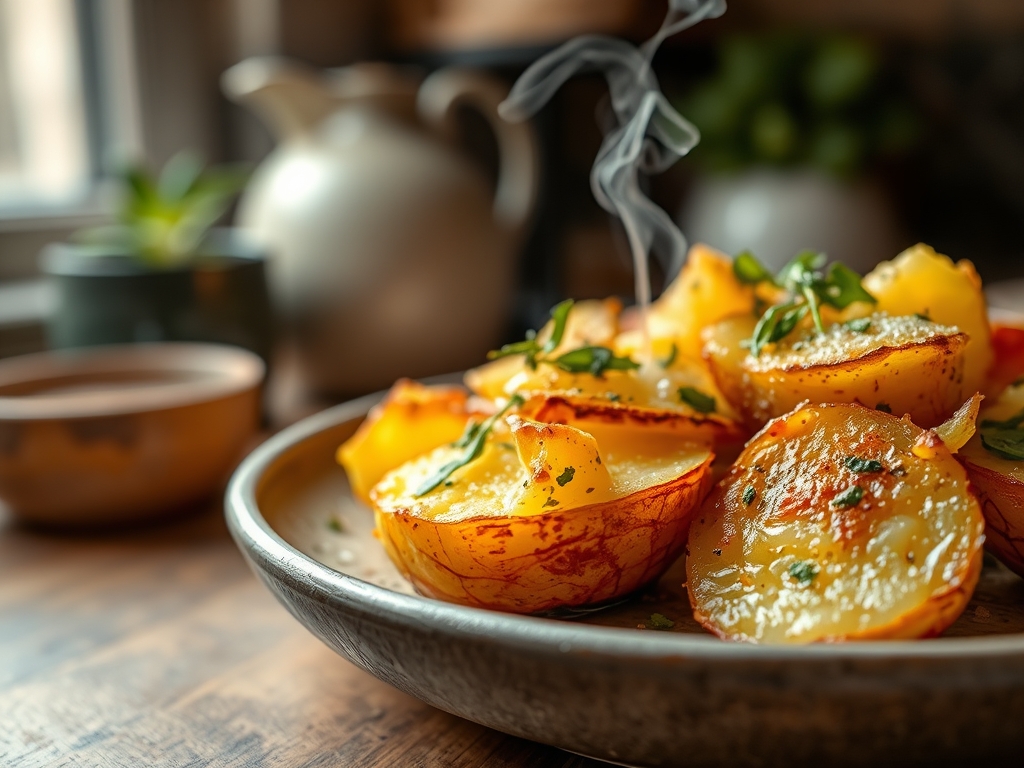
Imagine the sound of a knife shattering through a golden, salt-crusted skin to reveal a cloud of steaming, ivory starch. Now, imagine that steam carrying the scent of toasted butter and sharp, molten cheddar. There is a specific biological joy in the union of these two ingredients; it is a primal craving satisfied by the perfect marriage of complex carbohydrates and luscious lipids. When you look for cheese and potato recipes, you are not just looking for a meal. You are seeking a textural masterpiece. We are talking about the way a piquant Gruyere stretches into infinite ribbons or how a silky Bechamel seeps into the porous crannies of a Yukon Gold. It is chemistry disguised as comfort. Whether it is the crunch of a fried tot or the velvet fold of a gratin, the synergy here is undeniable. We are about to dive into eight elevated pairings that respect the science of the spud and the soul of the curd. Grab your apron; your kitchen is about to become a laboratory of deliciousness.
The Gathers:
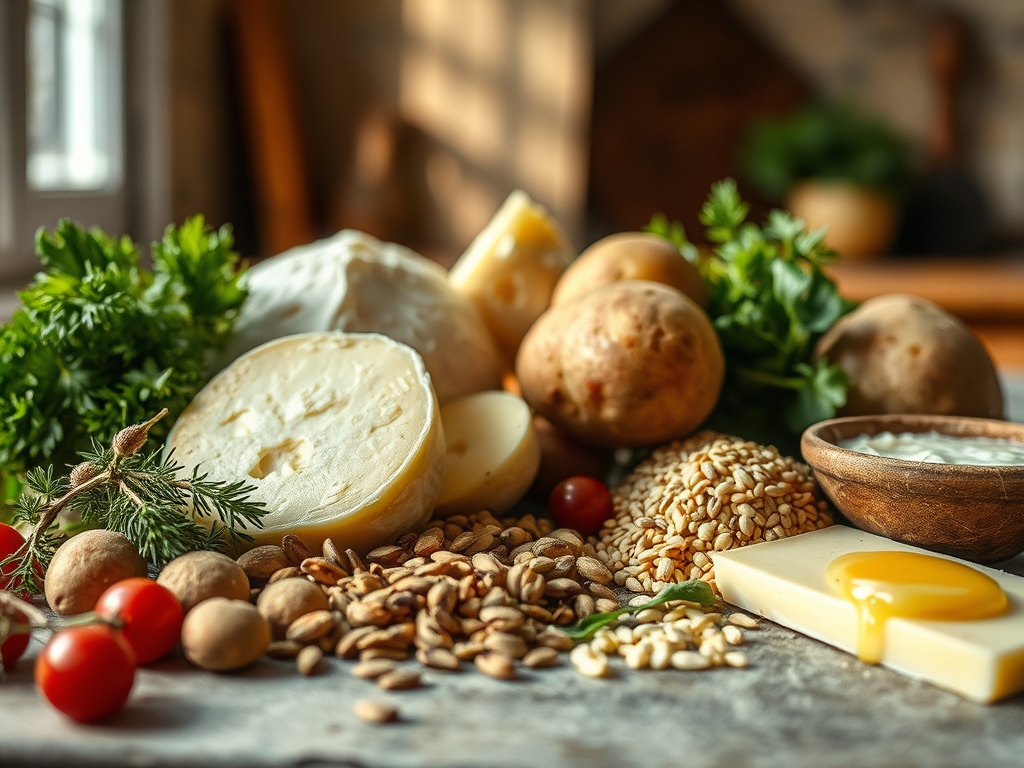
To achieve professional results, your mise-en-place must be precise. Start with your star: the potato. For creamy interiors, reach for the Yukon Gold, which possesses a medium starch content and a natural buttery hue. For structural integrity in frying, the Russet is king due to its high amylose content. Your cheese selection should be a curated spectrum of melting points. You will need a high-moisture mozzarella for the stretch; a sharp aged cheddar for the piquant punch; and perhaps a funky Taleggio or nutty Comte for sophistication.
Your secondary ingredients are just as vital. You need heavy cream (at least 36 percent milkfat) to ensure your sauces do not break under high heat. Fresh aromatics like thyme, rosemary, and garlic provide volatile oils that infuse the fat. Do not forget the kosher salt; its coarse grains allow for better tactile control when seasoning.
Smart Substitutions:
If you are looking to lighten the load, swap heavy cream for evaporated milk. It provides a similar protein density without the same caloric weight. Need a dairy-free kick? Nutritional yeast offers a savory, cheesy umami profile that mimics aged parmesan. For a lower glycemic index, you can substitute half of your potatoes with celery root (celeriac). It maintains a similar texture but adds a sophisticated, herbal undertone to the dish.
The Clock:
Efficiency in the kitchen is about understanding the Chef's Flow. This is the art of overlapping tasks so that no minute is wasted. For these pairings, expect a Prep Time of 25 minutes and a Cook Time of 45 to 60 minutes.
The flow begins with the "Cold Start." While your oven preheats, you should be using your mandoline slicer to create uniform discs. Uniformity is not just for aesthetics; it ensures that every piece of potato reaches the same degree of starch gelatinization at the exact same moment. While the potatoes undergo their initial roast or boil, use that window to grate your cheeses using a microplane or box grater. Never buy pre-shredded cheese. It is coated in potato starch or cellulose to prevent clumping, which interferes with the smooth, viscous melt we require for a professional finish.
The Masterclass:
1. The Precision Slice
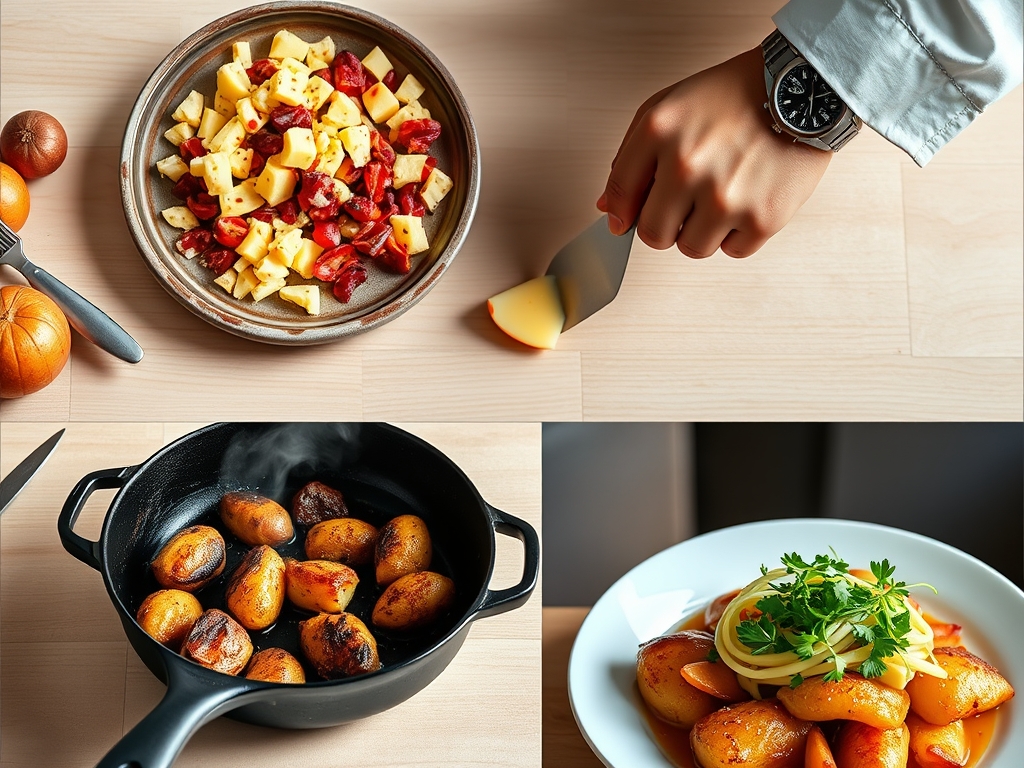
Use a bench scraper to clear your station as you slice your potatoes into 1/8-inch rounds. If you are making a gratin, soak the slices in cold water for ten minutes to remove excess surface starch. This prevents the sauce from becoming gluey.
Pro Tip: This process is called leaching. By removing surface starch, you allow the fats in the cheese to coat the potato cells individually, creating a silky rather than sticky mouthfeel.
2. The Infusion Phase
In a saucier, combine your cream, smashed garlic cloves, and woody herbs. Heat this over a low flame until it reaches a gentle simmer. Do not let it boil vigorously, as this can cause the proteins to denature and clump.
Pro Tip: This is steeping. The heat coaxes the fat-soluble flavor compounds out of the herbs and into the cream, ensuring the flavor is distributed evenly throughout the entire dish.
3. The Layering Logic
Grease a heavy-bottomed baking dish with cold butter. Layer your potatoes like shingles, seasoning each layer lightly with salt and pepper. Pour your infused cream over the top, then finish with a generous carpet of shredded cheese.
Pro Tip: Seasoning in layers is essential because potatoes are incredibly dense. If you only season the top, the interior will taste flat and bland due to the lack of osmotic penetration.
4. The Thermal Shield
Cover the dish tightly with foil for the first half of the bake. This creates a steam chamber that softens the potatoes without burning the cheese on top.
Pro Tip: This utilizes conductive heat to cook the starch through. If left uncovered, the moisture would evaporate too quickly, leaving you with crunchy, undercooked centers and a scorched surface.
5. The Maillard Reveal
Remove the foil and crank the heat for the final fifteen minutes. This is where the magic happens. Watch for the cheese to bubble and develop deep brown spots.
Pro Tip: You are witnessing the Maillard Reaction. This chemical reaction between amino acids and reducing sugars creates hundreds of different flavor compounds, giving the cheese its savory, toasted complexity.
6. The Carryover Rest
Once out of the oven, let the dish sit for at least ten minutes. Resist the urge to dive in immediately.
Pro Tip: This allows for thermal carryover. The internal temperature will continue to rise slightly, and the liquid fats will begin to set. If you cut it too soon, the sauce will run off the potatoes instead of clinging to them.
The Deep Dive:
When we look at the Macro Nutrition, we are dealing with a powerhouse of energy. Potatoes provide high-quality potassium and complex carbs, while the cheese offers essential proteins and calcium. To keep it balanced, serve these pairings alongside a bright, acidic arugula salad to cut through the richness.
Dietary Swaps:
For a Keto-friendly version, replace the potatoes with roasted cauliflower florets. For Vegan guests, use a cashew-based cream and a fermented nut cheese; the lactic acid in fermented vegan cheese provides that necessary "tang." Gluten-Free diners are in luck, as potatoes are naturally GF; just ensure your thickening agents (if using a roux) are replaced with cornstarch or arrowroot.
The Fix-It:
- Broken Sauce: If your cheese sauce looks oily or grainy, it has "split." Fix this by whisking in a tablespoon of cold heavy cream or a splash of lemon juice to re-emulsify the fats.
- Grey Potatoes: If your potatoes turn grey after slicing, it is due to oxidation. Prevent this by keeping sliced potatoes submerged in acidulated water (water with a squeeze of lemon) until ready to use.
- Burnt Top, Raw Middle: Your oven is too hot. Lower the temp, cover with foil, and add a splash of broth to the side of the dish to create extra steam.
Meal Prep Science:
To reheat and maintain "day-one" quality, avoid the microwave. The microwave agitates water molecules, making the potato mushy. Instead, use a toaster oven at 350 degrees. Add a teaspoon of water to the dish and cover it with foil to re-hydrate the starches while the cheese melts back into its viscous state.
The Wrap-Up:
There you have it; the definitive guide to mastering cheese and potato recipes with the precision of a scientist and the heart of a chef. We have covered everything from the enzymatic browning of the crust to the molecular stability of a cream sauce. Remember, the best cooking happens when you understand the "why" behind the "how." Now, go forth and create something bubbly, golden, and utterly irresistible. Your kitchen is calling!
The Kitchen Table:
Which potato is best for cheesy recipes?
Yukon Golds are the gold standard. Their waxy-yet-creamy texture holds its shape while absorbing the cheese sauce, unlike Russets which can sometimes disintegrate into a grainy mash when baked in liquid.
Why does my cheese sauce get stringy?
Stringiness occurs when the protein fibers in the cheese tighten too much from high heat. To avoid this, always melt your cheese over low heat and add a pinch of sodium citrate or a splash of lemon juice.
Can I make these recipes ahead of time?
Yes, you can par-cook the potatoes and store them in the fridge. However, for the best texture, do not add the cheese until you are ready for the final bake to ensure a perfect, bubbly melt.
How do I get a crispy crust on my potatoes?
Maximize the surface area. Use a box grater to shred potatoes for hashbrowns or a mandoline for thin chips. The more surface area exposed to the hot fat, the more Maillard reaction you achieve.