
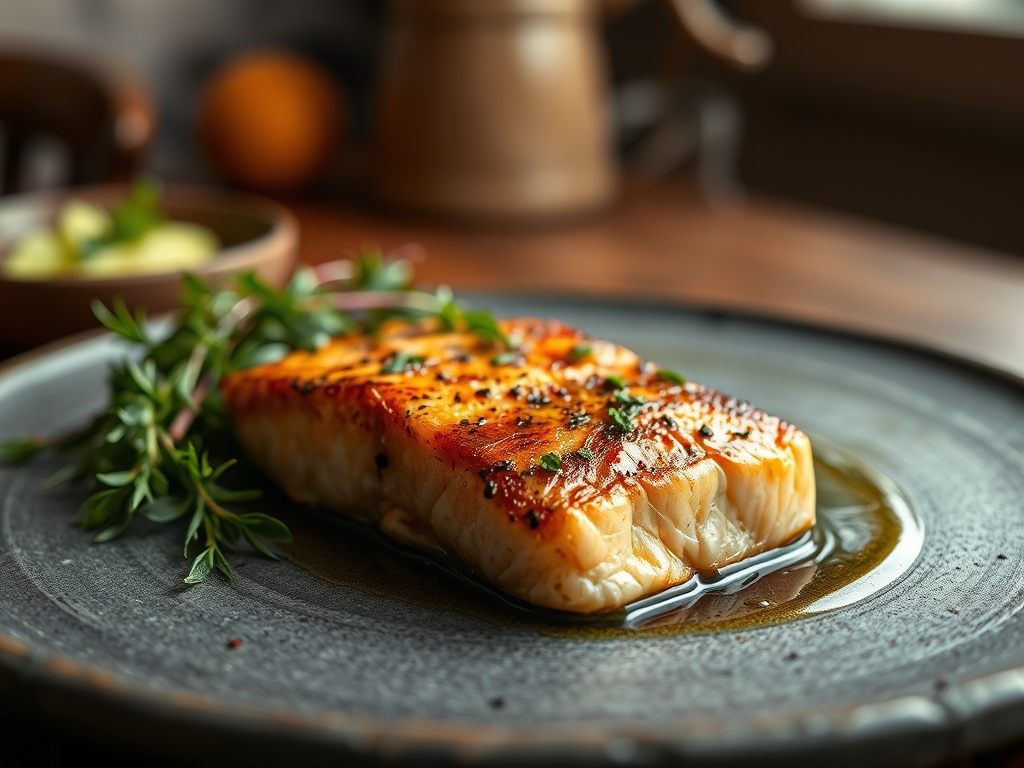
Picture the sound of a high-frequency sizzle hitting a heavy-bottomed skillet; it is the definitive anthem of a perfect dinner. When you master cast iron salmon recipes, you are not just cooking; you are engineering a structural masterpiece of glass-brittle skin and butter-soft protein. The iron acts as a thermal battery, providing the unrelenting heat required for true culinary excellence.
The magic happens the moment the cold fish meets the seasoned metal. We are chasing that elusive golden crust that shatters under a fork while the interior remains translucent and lush. Most home cooks fear the stick, but once you understand the physics of protein release, you will never look back. This is about more than just a meal; it is about harnessing the Maillard reaction to create deep, savory complexity that a non-stick pan simply cannot replicate.
In this guide, we are stripping away the fluff to focus on the six hacks that elevate your weeknight rotation into a five-star experience. Whether you are a seasoned pro or a nervous novice, these techniques ensure your fillets are never dry, never gray, and always spectacular. Let us dive into the science of the sear.
The Gathers:
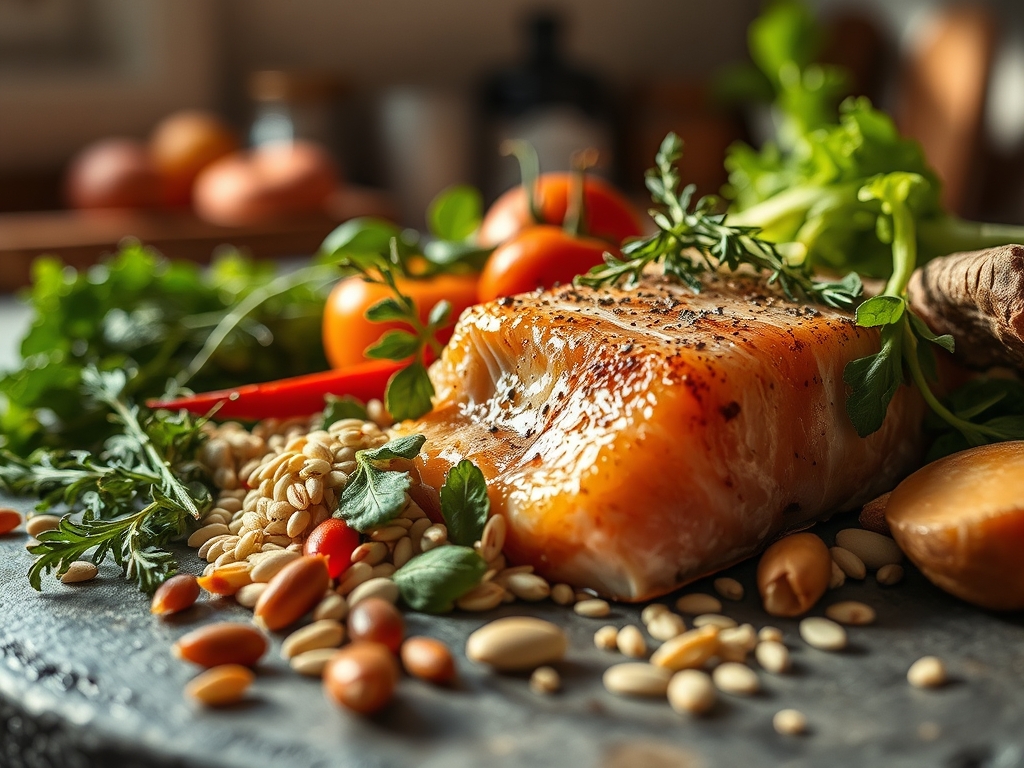
To achieve the ultimate cast iron salmon recipes, your mise-en-place must be precise. Start with center-cut fillets, ideally six to eight ounces each. You want the thickness to be uniform so the heat distribution remains consistent across the entire piece of fish. Use a digital scale to ensure your portions are even; this prevents the smaller pieces from overcooking while the larger ones remain raw.
Your fat source is critical. You need a high-smoke-point oil like avocado or grapeseed oil. Avoid extra virgin olive oil for the initial sear, as it will break down and become acrid under the intense heat of the iron. You will also need unsalted butter for the final basting phase, fresh thyme or rosemary for an aromatic infusion, and a microplane to zest a bright lemon for that final piquant finish.
Smart Substitutions:
If you are avoiding dairy, swap the butter for a high-quality vegan ghee or a splash of coconut aminos for a savory, umami-rich glaze. For those who want a spicy kick, replace the black pepper with crushed Aleppo pepper or a dash of smoked paprika to enhance the charred notes of the cast iron.
The Clock:
Efficiency is the hallmark of a "Chef's Flow." Total preparation time is a mere five minutes, focusing on drying the fish and seasoning. The cooking process itself takes approximately eight to ten minutes, depending on the thickness of your fillets.
The flow works like this: preheat your skillet for a full five minutes on medium-high. While the iron absorbs energy, prepare your aromatics. The first four minutes of cooking are dedicated to the skin side; this is where the structural integrity is built. The final three to four minutes involve flipping and basting. Allow for a three-minute rest period. This is non-negotiable, as it allows the internal juices to redistribute, ensuring every bite is moist.
The Masterclass:
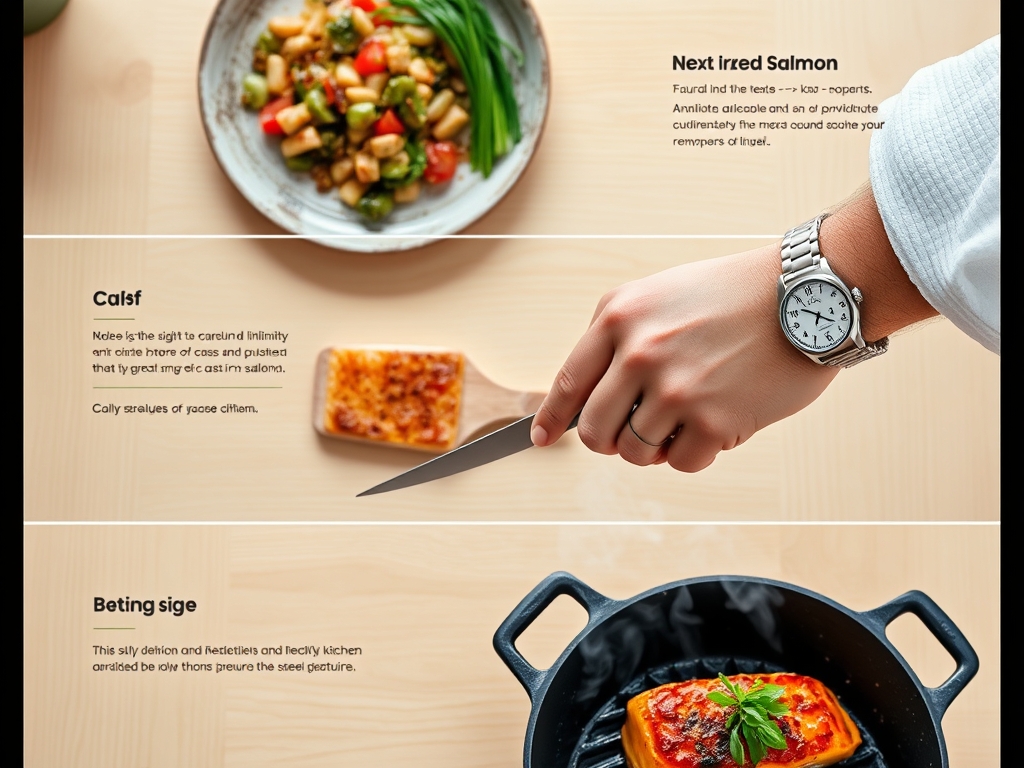
1. The Desiccation Ritual
Use a paper towel to press every bit of moisture out of the skin. Moisture is the enemy of the sear; if the fish is damp, it will steam rather than fry. Aim for a tacky, matte texture on the surface before it ever touches the pan.
Pro Tip: This process prevents the formation of a steam barrier. By removing surface water, you allow the heat to immediately begin the Maillard reaction, which is the chemical reaction between amino acids and reducing sugars that creates the brown crust.
2. The Thermal Equilibrium
Place your heavy-bottomed skillet over medium-high heat until the oil begins to shimmer and just barely wisps with smoke. You want the pan to be hot enough to instantly denature the surface proteins, which prevents the fish from bonding to the iron.
Pro Tip: Cast iron has high thermal mass, meaning it holds onto heat exceptionally well. Preheating ensures that when the cold fish hits the pan, the temperature does not drop significantly, maintaining a consistent sear.
3. The Weighted Press
Once the fish is in the pan, skin-side down, use a bench scraper or a flexible fish spatula to press down firmly for the first thirty seconds. This prevents the skin from curling as the collagen fibers contract under the heat.
Pro Tip: This ensures maximum surface area contact. Without the press, the skin edges curl up, leading to uneven browning and "soggy spots" in the center of the fillet.
4. The Fond Management
Do not move the fish. Let it sit undisturbed for at least four minutes. You will see the color of the flesh change from the bottom up. When the skin is ready, it will naturally release from the pan; this is known as kinetic release.
Pro Tip: If you try to flip too early, you will tear the delicate flesh. The proteins need time to undergo enzymatic browning and form a structural crust that acts as a natural non-stick layer.
5. The Butter Baste
Flip the fish using tongs and immediately drop a knob of butter, smashed garlic, and herbs into the pan. Use a large spoon to continuously pour the foaming butter over the crispy skin. This adds a rich, viscous layer of flavor.
Pro Tip: This technique, known as arrosé, uses convection to cook the top of the fish gently while the butter solids caramelize, providing a nutty, complex finish.
6. The Carryover Calculation
Remove the salmon from the pan when the internal temperature hits 125 degrees Fahrenheit for medium-rare. Place it on a warm plate and let it rest. The temperature will continue to rise about five degrees while it sits.
Pro Tip: This is called thermal carryover. If you wait until the fish is "done" in the pan, it will be overcooked by the time it reaches the table. Resting allows the muscle fibers to relax and retain their internal moisture.
The Deep Dive:
Macro Nutrition:
A standard six-ounce serving of cast iron salmon provides roughly 34 grams of high-quality protein and 22 grams of healthy fats, primarily Omega-3 fatty acids. It is a nutrient-dense powerhouse with zero carbohydrates, making it a staple for metabolic health.
Dietary Swaps:
For a Keto version, double down on the butter basting and serve with wilted spinach. Vegan friends can apply these exact searing techniques to thick slabs of "King Oyster" mushrooms or firm tofu. For Gluten-Free diners, this recipe is naturally safe; just ensure your spices are certified.
The Fix-It:
- The Stick: If the fish is stuck, do not yank it. Add a teaspoon of oil to the edge of the fish and wait sixty seconds; the heat will eventually complete the release.
- The White Gunk: That white substance is albumin. It appears when salmon cooks too fast. Lower your heat slightly and ensure you are not overcooking the interior.
- The Smoke: If your kitchen is a fog bank, your oil has a low smoke point. Switch to avocado oil and use a saucier to manage smaller amounts of fat.
Meal Prep:
To reheat without losing quality, avoid the microwave. Use a low oven (275 degrees) with a splash of water and a cover. This creates a gentle steam environment that rehydrates the protein without toughening the fibers.
The Wrap-Up:
Mastering cast iron salmon recipes is a fundamental skill that bridges the gap between home cooking and professional artistry. By focusing on moisture control, thermal management, and the science of the sear, you transform a simple fillet into a sensory event. The heavy iron does the hard work; you just provide the technique. Now, grab your skillet, get that oil shimmering, and prepare to impress yourself with the perfect, crispy-skinned result.
The Kitchen Table:
Why does my salmon skin always stick to the cast iron?
The pan is likely not hot enough, or the skin was too damp. Ensure a shimmering oil layer and bone-dry skin. Let the protein naturally release through the Maillard reaction before attempting to flip the fillet.
Can I cook salmon in cast iron without oil?
It is not recommended. Oil acts as a heat-transfer medium, filling the microscopic gaps between the fish and the metal. Without it, you get uneven cooking and significant sticking, ruining the delicate texture of the salmon.
How do I know when the salmon is perfectly cooked?
Use a digital thermometer to pull the fish at 125°F for medium-rare. Alternatively, press the side of the fillet; if it flakes easily under gentle pressure and the center is translucent pink, it is ready to rest.
Is it better to cook salmon with the skin on or off?
Always keep the skin on for cast iron cooking. The skin acts as a thermal buffer, protecting the delicate flesh from the intense heat of the iron while providing a delicious, crispy texture that enhances the overall dish.