
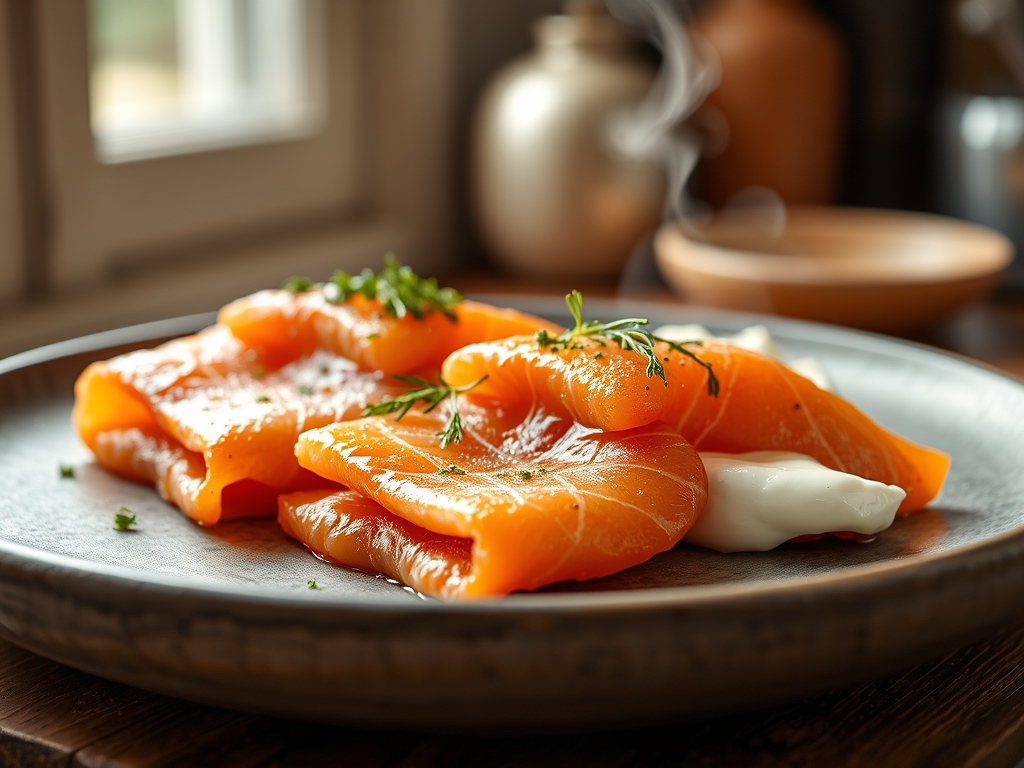
Imagine the cool, velvet embrace of whipped dairy meeting the salt-kissed, buttery flake of cured fish. It is the ultimate culinary power couple; a marriage of lipids and brine that defines luxury on a bagel or a blini. When you master cream cheese and salmon recipes, you are not just making a snack; you are engineering a high-contrast flavor profile that hits every sensory receptor on your palate simultaneously.
The secret lies in the interplay between the lactic acid in the cheese and the omega-3 fatty acids in the fish. One provides a thick, viscous canvas, while the other offers a piquant, smoky punch that cuts through the richness. Whether you are hosting a high-stakes brunch or just treating yourself to a midnight snack that feels like a Michelin-starred appetizer, these pairings are your ticket to flavor town. We are talking about textures that range from the crisp snap of a cucumber to the airy loft of a savory mousse.
Today, we are going beyond the basic schmear. We are diving into the molecular magic that happens when these two ingredients collide. Grab your favorite apron and clear some counter space; we are about to turn your kitchen into a professional-grade bistro.
The Gathers:
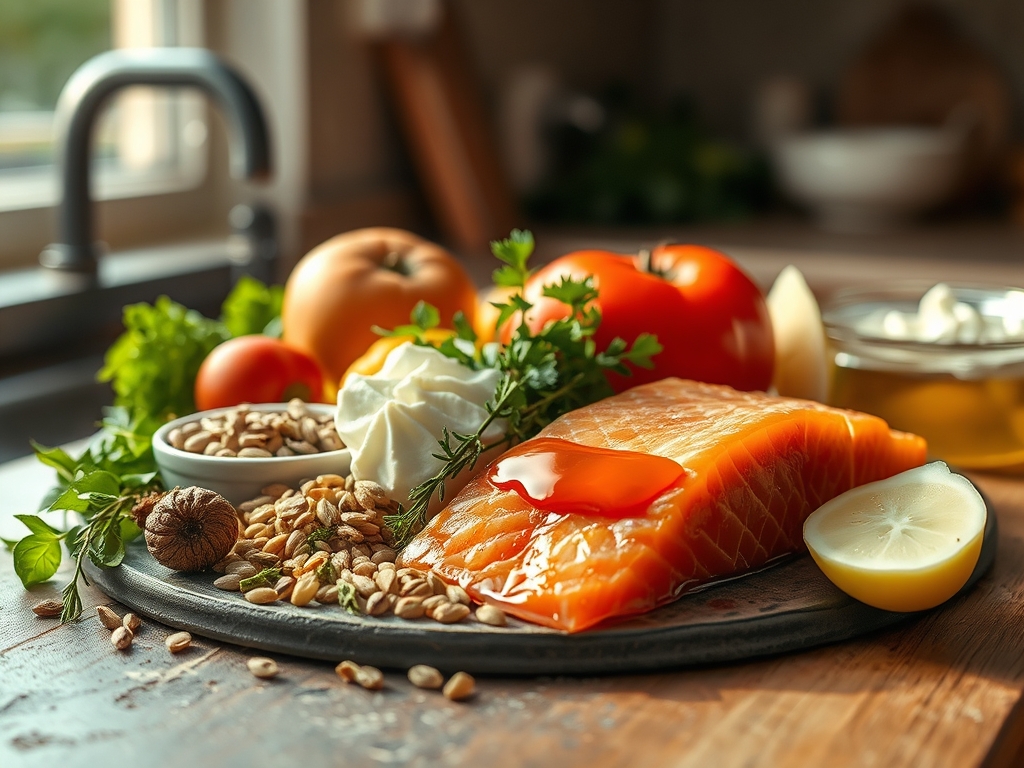
To execute these cream cheese and salmon recipes with precision, your mise-en-place must be immaculate. Start with high-quality, full-fat cream cheese. Look for brands without excessive gums or stabilizers; you want that pure, clean lactic finish. For the salmon, source cold-smoked Atlantic varieties for a silky texture, or hot-smoked fillets if you crave a firm, flaked consistency.
The Essential Toolkit:
You will need a microplane for zesting citrus, a digital scale for precise measurements, and a saucier if you plan to melt your cheese into a warm dip. A bench scraper is also vital for moving delicate garnishes from the board to the plate without bruising them.
The Ingredient List:
- The Base: 16 ounces of brick-style cream cheese, softened to 68 degrees Fahrenheit.
- The Protein: 12 ounces of premium smoked salmon, sliced paper-thin.
- The Aromatics: Fresh dill, chives, and capers (non-pareil size for the best texture).
- The Acid: Meyer lemons for a sweeter, floral acidity or classic Eureka lemons for a sharp bite.
- The Crunch: Everything bagel seasoning, toasted rye bread, or English cucumbers.
Smart Substitutions:
If you are looking for a lighter profile, swap half the cream cheese for Greek yogurt to increase the protein and add a sharper tang. For a dairy-free alternative, cashew-based "cheese" provides the necessary fat content to mimic the mouthfeel of traditional dairy. If smoked salmon is unavailable, try salt-cured gravlax infused with beet juice for a stunning visual pop.
The Clock
Efficiency in the kitchen is all about "Chef's Flow." For these seven pairings, your total active time is approximately 25 minutes, with an additional 15 minutes for chilling.
- Prep Time: 15 minutes. This involves the "chop and drop" phase where you use your chef's knife to mince aromatics and zest your citrus.
- Assembly Time: 10 minutes. This is the "build" phase where you layer flavors and textures.
- Chill Time: 15 minutes (optional but recommended). Allowing the cream cheese mixture to rest in the refrigerator helps the flavors infuse and the fats to stabilize, making it easier to pipe or spread.
The "Chef's Flow" dictates that you prepare your cold elements first. By the time your bread is toasted or your crackers are arranged, the salmon-cheese mixture has reached its peak flavor density.
The Masterclass
1. Tempering the Base
Begin by bringing your cream cheese to room temperature. This is not just for ease of mixing; it is about molecular structure. Cold cream cheese is a dense lattice of fats that will not incorporate air. By letting it soften, you can aerate the mixture, resulting in a lighter, more luxurious mouthfeel. Use a silicone spatula to fold the cheese until it is supple.
Pro Tip: This is known as plasticization. When the fats reach roughly 70 degrees, they become malleable enough to trap air bubbles, which prevents the final spread from feeling "heavy" on the tongue.
2. The Citrus Infusion
Use your microplane to shave the zest of one lemon directly into the cheese. Avoid the white pith, which is bitter. The essential oils in the zest are fat-soluble, meaning they will permeate the cream cheese and provide a consistent flavor throughout every bite.
Pro Tip: This process is called lipid-based flavor extraction. Because citrus oils are hydrophobic, they bond perfectly with the fat molecules in the cream cheese, ensuring the flavor does not "leak" out.
3. Folding the Herbs
Finely mince your dill and chives. Do not over-process them in a blender; you want distinct green flecks. Fold them into the cheese using a gentle hand. This ensures that the herbs remain vibrant and do not bleed green liquid into your white base.
Pro Tip: Cutting herbs with a sharp knife prevents enzymatic browning. When you bruise herbs with a dull blade, the cell walls rupture and release polyphenol oxidase, which turns the herbs brown and bitter.
4. Layering the Salmon
If you are making a layered terrine or a topped bagel, the salmon should be the star. Drape the slices loosely rather than pressing them flat. This creates air pockets that enhance the "melt-in-your-mouth" sensation.
Pro Tip: The "loft" in your salmon placement increases the surface area that hits your taste buds, allowing the volatile aromatic compounds in the smoke to be released more efficiently as you chew.
5. Adding the Piquant Elements
Incorporate your capers and a crack of fresh black pepper. The capers provide a burst of brine that acts as a palate cleanser against the heavy fats of the salmon and cheese.
Pro Tip: This is the "acid-fat balance." The acetic acid in the caper brine breaks down the perceived oiliness of the fish, preventing "palate fatigue" so every bite tastes as fresh as the first.
6. The Final Chill
Place your completed mixture or assembled bites in the refrigerator for at least 15 minutes. This allows the fats to "set" and the flavors to marry.
Pro Tip: This is a form of thermal stabilization. As the temperature drops, the saturated fats in the cream cheese solidify slightly, creating a more structural, "snappy" texture that holds up better during service.
7. The Garnish and Serve
Finish with a sprinkle of flaky sea salt or a dusting of smoked paprika. This adds a final layer of texture and a visual cue of the flavors within.
Pro Tip: Using flaky salt provides a "crunch" factor that triggers the trigeminal nerve, making the soft textures of the salmon and cheese feel more satisfying and complex.
The Deep Dive
Macro Nutrition:
Cream cheese and salmon recipes are a powerhouse of healthy fats and high-quality protein. A standard serving provides approximately 12g of protein, 18g of fat (mostly heart-healthy unsaturated fats from the salmon), and minimal carbohydrates. It is a dense source of Vitamin B12 and Vitamin D.
Dietary Swaps:
- Vegan: Use a cultured cashew cream and "carrot lox" (thinly sliced carrots marinated in liquid smoke and miso).
- Keto: This recipe is naturally keto-friendly. Serve on cucumber slices or "chaffles" instead of bread.
- Gluten-Free: Ensure your capers and seasonings are certified GF, and serve on grain-free seed crackers.
The Fix-It:
- Grainy Texture: If your cream cheese breaks or looks grainy, you likely over-mixed it while it was too cold. Fix it by gently warming it over a double boiler and whisking until smooth.
- Too Salty: If the smoked salmon is overly salty, soak the slices in cold water for 5 minutes and pat dry with a lint-free towel before using.
- Watery Spread: If your herbs or cucumbers released too much moisture, fold in a tablespoon of milk powder or more cream cheese to absorb the excess liquid.
Meal Prep:
To maintain "day-one" quality, store the cream cheese mixture and the salmon separately. Smoked salmon oxidizes quickly when exposed to air. When reheating any warm versions (like a salmon and cream cheese dip), use a heavy-bottomed skillet on low heat to prevent the cheese from "splitting" or the oils from rendering out.
The Wrap-Up
Mastering the art of cream cheese and salmon recipes is about more than just assembly; it is about understanding the chemistry of flavor. By balancing the rich, viscous nature of dairy with the sharp, piquant notes of brine and citrus, you create a dish that is both comforting and sophisticated. Remember to use your professional tools like the digital scale and microplane to ensure consistency. Now, go forth and brunch like a pro; your taste buds will thank you!
The Kitchen Table
Can I freeze cream cheese and salmon spreads?
Freezing is not recommended. The emulsion in the cream cheese will likely break, resulting in a grainy, watery texture upon thawing. For the best sensory experience, consume your creations within three days of assembly.
What is the best type of salmon for these recipes?
Cold-smoked salmon, such as Sockeye or King salmon, is preferred for its silky, translucent texture. Hot-smoked salmon is better suited for warm dips where you want chunky, flaked pieces of fish.
How do I prevent the cream cheese from clumping?
Always ensure the cheese is at room temperature before mixing. Using a stand mixer with a paddle attachment on low speed will aerate the cheese without overworking the fats, ensuring a perfectly smooth consistency.
Why does my smoked salmon sometimes taste "fishy"?
Strong fishiness usually indicates oxidation. To keep it fresh, store salmon in an airtight container with a piece of plastic wrap pressed directly onto the surface of the fish to minimize oxygen exposure.
Can I use light cream cheese for these recipes?
You can, but the texture will be less viscous. Light versions often contain more water and stabilizers, which can make the spread feel "slick" rather than creamy. Full-fat provides the best flavor carrier.