
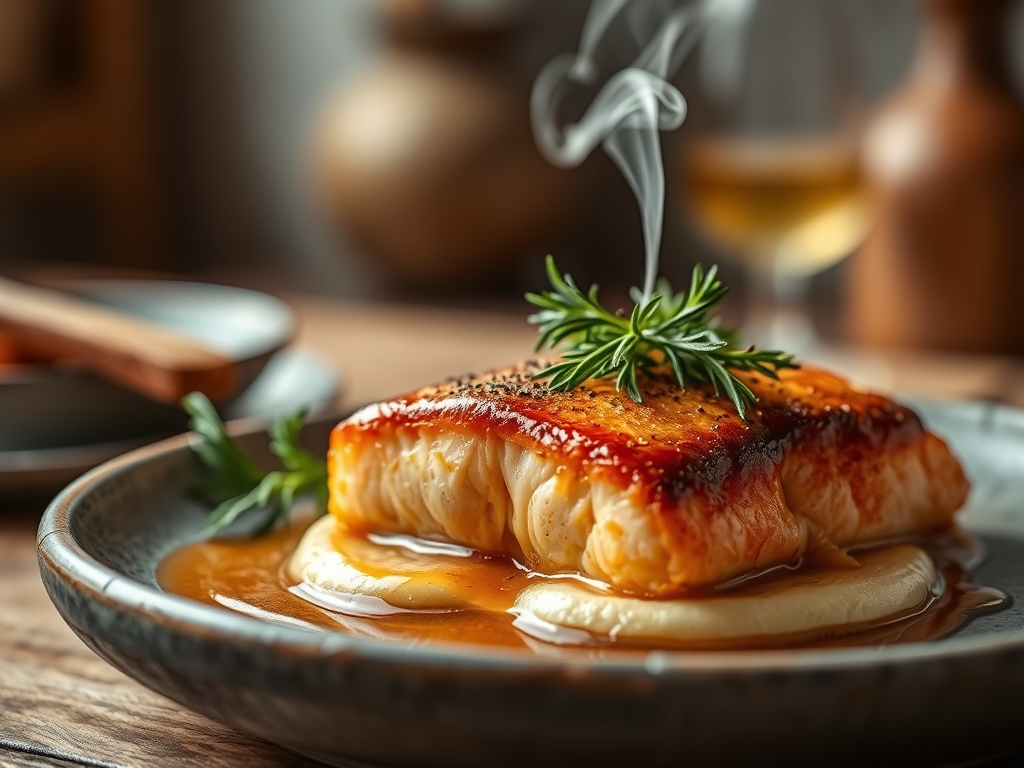
Imagine the sound of a heavy-bottomed skillet meeting the stovetop as the kitchen fills with the scent of caramelizing sugars. When you are hunting for the perfect baked salmon recipes honey is your secret weapon for achieving that elusive, lacquered crust that shatters under the fork. We are moving beyond basic fillets today; we are mastering the art of heat and viscosity to create a centerpiece that feels like a five-star indulgence.
The magic happens when the natural fats of the fish collide with the complex carbohydrates in the honey. This is not just dinner; it is a lesson in the Maillard reaction. We want that deep, mahogany hue and a flake that melts the moment it hits your tongue. Whether you are hosting a frantic weeknight meal or a slow Sunday dinner, these nine secrets will transform your approach to seafood forever. Grab your apron and your favorite microplane; we are about to dive deep into the chemistry of the perfect glaze.
The Gathers:
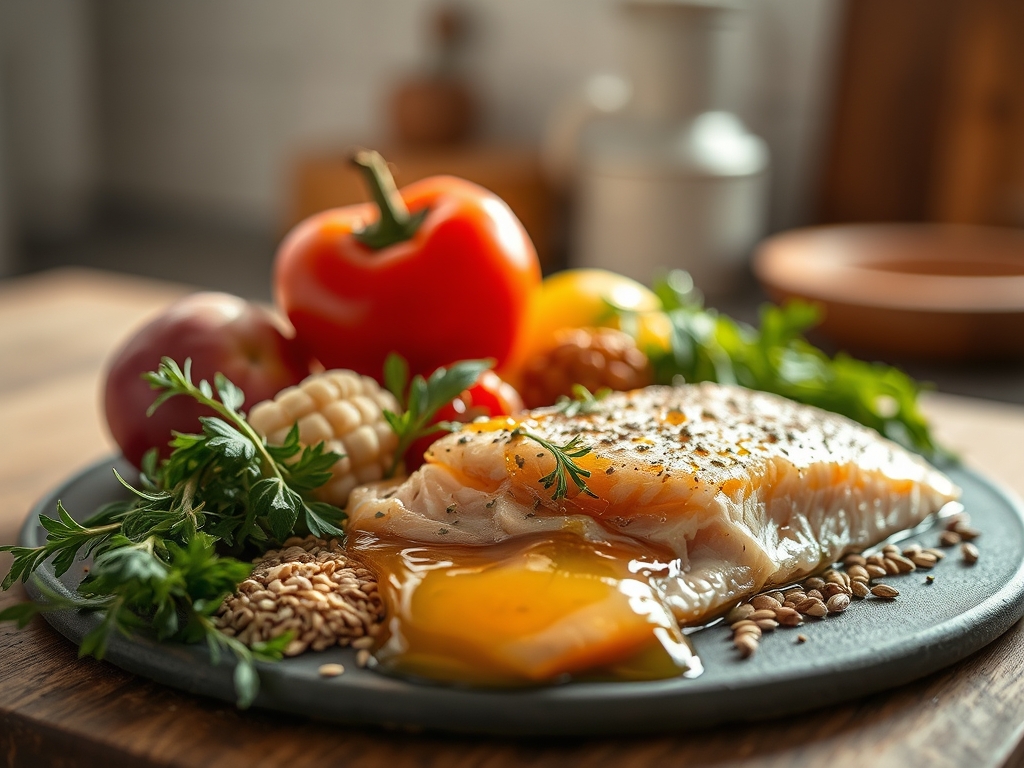
Before we ignite the flame, we must respect the mise-en-place. Start with a center-cut Atlantic or King salmon fillet, approximately 1.5 pounds. You want a piece with consistent thickness to ensure even thermal distribution. Use a digital scale to measure out four ounces of raw, unfiltered honey. This honey acts as our primary humectant, drawing moisture into the protein fibers while providing the sugar necessary for browning.
Next, gather your aromatics. You will need three cloves of garlic, processed through a microplane to create a fine paste. This increases the surface area, allowing the garlic oils to infuse the glaze without leaving chunky, burnt bits. For acidity, zest one large lemon and set aside two tablespoons of fresh juice. The citric acid acts as a surfactant, breaking down the oily mouthfeel of the salmon. Finally, collect your fats: two tablespoons of unsalted European-style butter and a splash of neutral avocado oil.
Smart Substitutions: If you are watching your glycemic index, you can swap the honey for an equal part of maple syrup or a monk fruit-based liquid sweetener. For a piquant kick, replace the black pepper with Aleppo pepper flakes or a teaspoon of freshly grated ginger to add a bright, spicy aromatic profile.
The Clock
Efficiency in the kitchen is all about the "Chef's Flow." Total active preparation time is roughly 12 minutes, while the thermal processing takes exactly 15 minutes. Start by preheating your oven to 400 degrees Fahrenheit. While the oven stabilizes, you will spend 5 minutes searing the skin to render the subcutaneous fat. The final 10 minutes are spent in the oven, where the ambient heat finishes the interior to a perfect medium-rare. Always allow for a 5-minute rest period post-bake to let the juices redistribute through the muscle fibers.
The Masterclass
1. The Surface Preparation
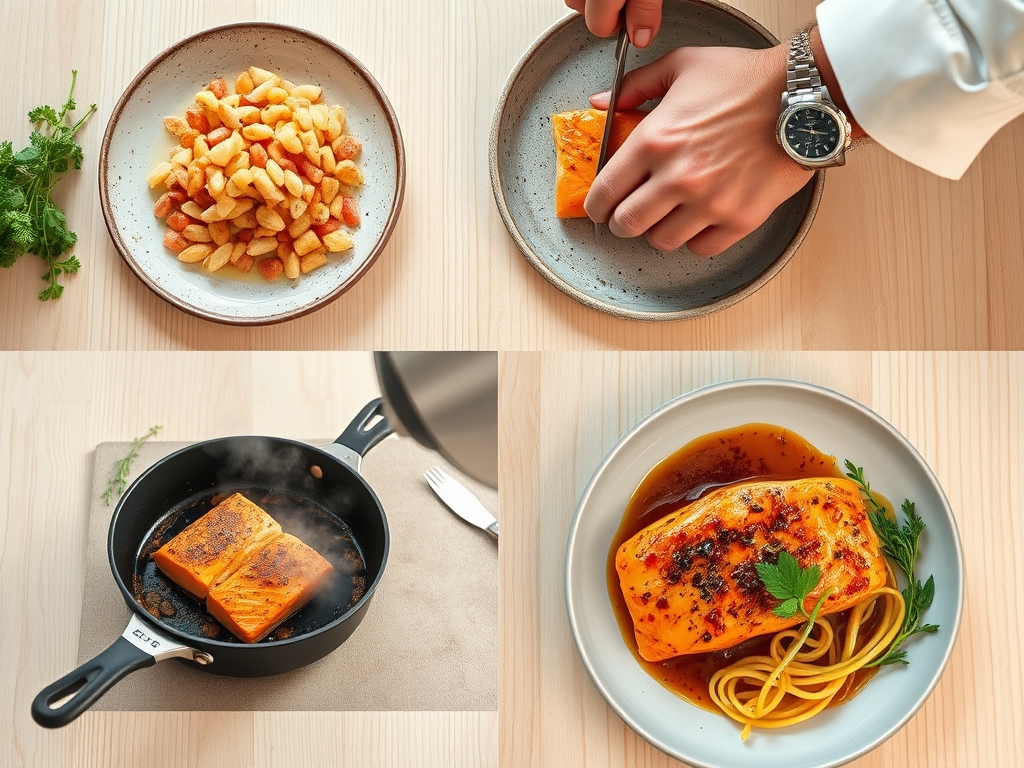
Pat the salmon dry using lint-free paper towels until the skin feels like parchment. Moisture is the enemy of the sear; any residual water will create steam, preventing the skin from becoming crisp.
Pro Tip: This is known as surface dehydration. By removing external moisture, you ensure the energy of the pan goes directly into the Maillard reaction rather than evaporating water.
2. Seasoning the Protein
Generously coat the flesh side with kosher salt and cracked black pepper. Use your fingers to press the seasoning into the grooves of the fish.
Pro Tip: Salt acts as a denaturant, slightly breaking down the tightly wound proteins on the surface. This creates a "tacky" texture that helps the honey glaze adhere better during the final stages.
3. The Initial Sear
Heat your heavy-bottomed skillet over medium-high heat with a tablespoon of avocado oil. Once the oil reaches its smoke point, place the salmon skin-side down. Press firmly with a flexible fish spatula for 30 seconds.
Pro Tip: Pressing the fish prevents the skin from curling due to protein contraction. This ensures maximum contact with the heat source for an even, golden-brown render.
4. Creating the Emulsion
While the skin crisps, whisk your honey, garlic paste, and lemon juice in a small saucier over low heat. Add the cold butter cubes one at a time, whisking constantly.
Pro Tip: This creates a temporary emulsion. The milk solids in the butter bind with the viscous honey, creating a thick coating that won't simply slide off the fish in the oven.
5. The Glazing Technique
Flip the salmon carefully using tongs. Pour the honey mixture over the top, ensuring every millimeter of the flesh is covered. Use a pastry brush to reach the sides.
Pro Tip: This is the infusion stage. The heat from the pan begins to thin the honey, allowing it to penetrate the top layers of the fish before the oven sets the glaze.
6. The Thermal Finish
Transfer the entire skillet into the preheated oven. Position the rack in the upper third of the oven to take advantage of the concentrated radiant heat.
Pro Tip: High-position baking utilizes convective heat to rapidly caramelize the sugars in the honey while the cast iron skillet continues to crisp the skin from the bottom.
7. The Basting Ritual
Halfway through the baking process, pull the skillet out and use a large spoon to drizzle the bubbling pan juices back over the salmon.
Pro Tip: This is called arroser. It prevents the top of the fish from drying out and builds up layers of flavor, much like a lacquer on fine furniture.
8. The Carryover Check
Remove the salmon when the internal temperature reaches 125 degrees Fahrenheit on a digital thermometer. The fish should still look slightly translucent in the very center.
Pro Tip: Thermal carryover will continue to cook the fish after it leaves the oven. The internal temperature will rise another 5 to 7 degrees as it rests on the counter.
9. The Final Brightening
Finish the dish with a sprinkle of fresh parsley and a final squeeze of lemon juice. The fresh acid cuts through the heavy, sweet glaze for a balanced palate.
Pro Tip: Adding fresh acid at the end provides volatile aromatics that are lost during the high-heat baking process, brightening the overall flavor profile.
The Deep Dive
From a macro perspective, this dish is a powerhouse. A standard 6-ounce serving provides roughly 34 grams of high-quality protein and is rich in Omega-3 fatty acids. While the honey adds carbohydrates, the healthy fats in the salmon help slow the absorption of these sugars.
Dietary Swaps: For a Keto version, replace honey with a brown-butter and sage reduction. For a Vegan alternative, this same glaze technique works beautifully on thick slabs of "King Oyster" mushrooms or firm tofu. If you are Gluten-Free, ensure your honey is pure and your spices are certified.
The Fix-It:
- Burnt Glaze: If the honey is browning too fast, tent the skillet with foil to deflect radiant heat.
- Albumin Bleed: Those white spots are just coagulated proteins. To minimize them, brining the fish in salty water for 10 minutes before cooking can help.
- Soggy Skin: Ensure the pan is screaming hot before the fish hits the oil; low heat leads to boiling rather than searing.
Meal Prep: To reheat, avoid the microwave at all costs. Instead, place the salmon in a cold oven and set it to 275 degrees. As the oven heats up, the fish warms gently, preserving the delicate moisture levels without making it rubbery.
The Wrap-Up
Mastering baked salmon recipes honey is a gateway to culinary confidence. It teaches you how to balance sweetness with acidity and how to respect the delicate nature of seafood proteins. When you pull that shimmering, golden fillet from the oven, you aren't just serving a meal; you are presenting a masterpiece of kitchen science. Remember to trust your thermometer and never skip the rest period. Now, go forth and glaze with glory!
The Kitchen Table
How do I know when the salmon is done?
The most reliable method is using a digital thermometer to reach 130 degrees Fahrenheit. Alternatively, the fish should flake easily with a fork and appear opaque on the outside while remaining slightly translucent in the center.
Can I use frozen salmon for this recipe?
Yes, but you must thaw it completely in the refrigerator and pat it extremely dry. Frozen fish often retains extra moisture, which can interfere with the searing process and prevent the honey glaze from adhering properly.
Why is my honey glaze too runny?
This usually happens if the honey wasn't reduced enough or the butter wasn't emulsified properly. Ensure you whisk the glaze over low heat until it coats the back of a spoon before applying it to the salmon.
Do I have to leave the skin on?
Leaving the skin on acts as a thermal barrier, protecting the delicate flesh from the direct heat of the pan. Even if you don't plan to eat it, the skin helps keep the salmon moist during the baking process.