
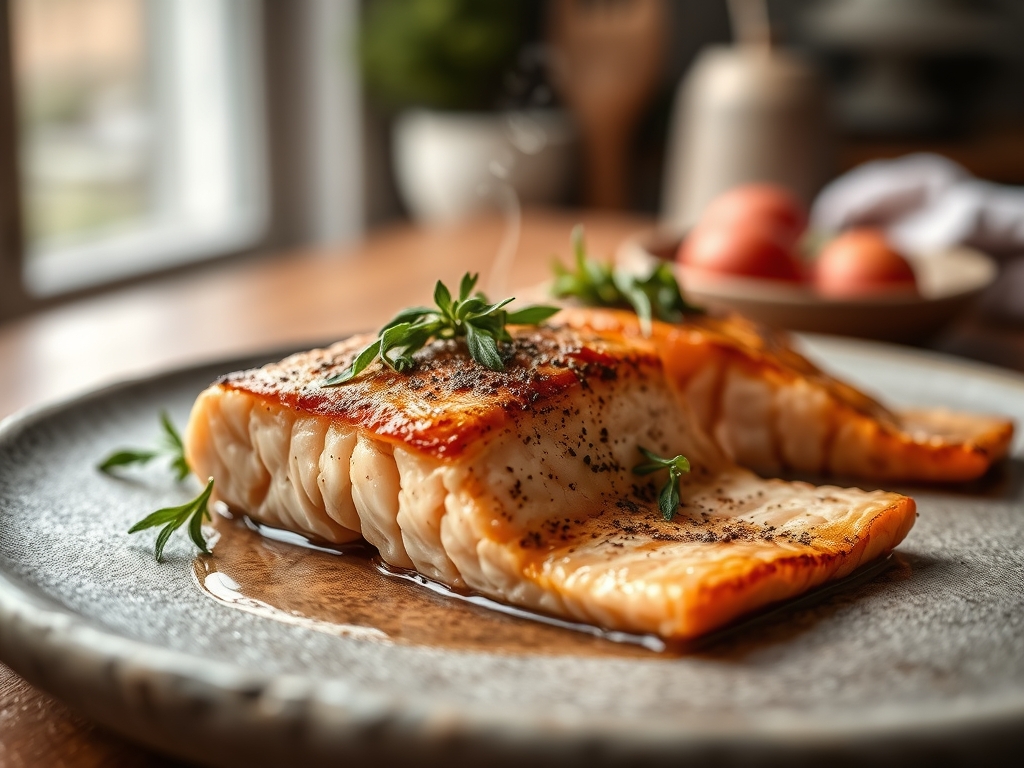
The air is finally crisp enough to justify turning your oven into a permanent fixture of warmth, and honestly, your kitchen deserves the upgrade. Forget the light, citrusy fillets of July; we are entering the season of deep umami, caramelized root vegetables, and velvet textures. These fall salmon recipes are designed to bridge the gap between high-end culinary science and the cozy, chaotic reality of hosting a dinner party. We are moving beyond basic seasoning into the realm of complex glazes and thermal precision.
When you think of autumn, your mind likely drifts to squash and spices, but salmon is the secret MVP of the harvest table. Its high fat content allows it to stand up to robust flavors like maple, bourbon, and smoked paprika without getting lost. Because salmon contains significant amounts of astaxanthin, it retains that gorgeous coral hue even when surrounded by the muted tones of roasted parsnips or dark leafy greens. We are going to treat these fillets like the royalty they are, using heat to transform proteins while keeping the interior buttery and translucent.
The Gathers:
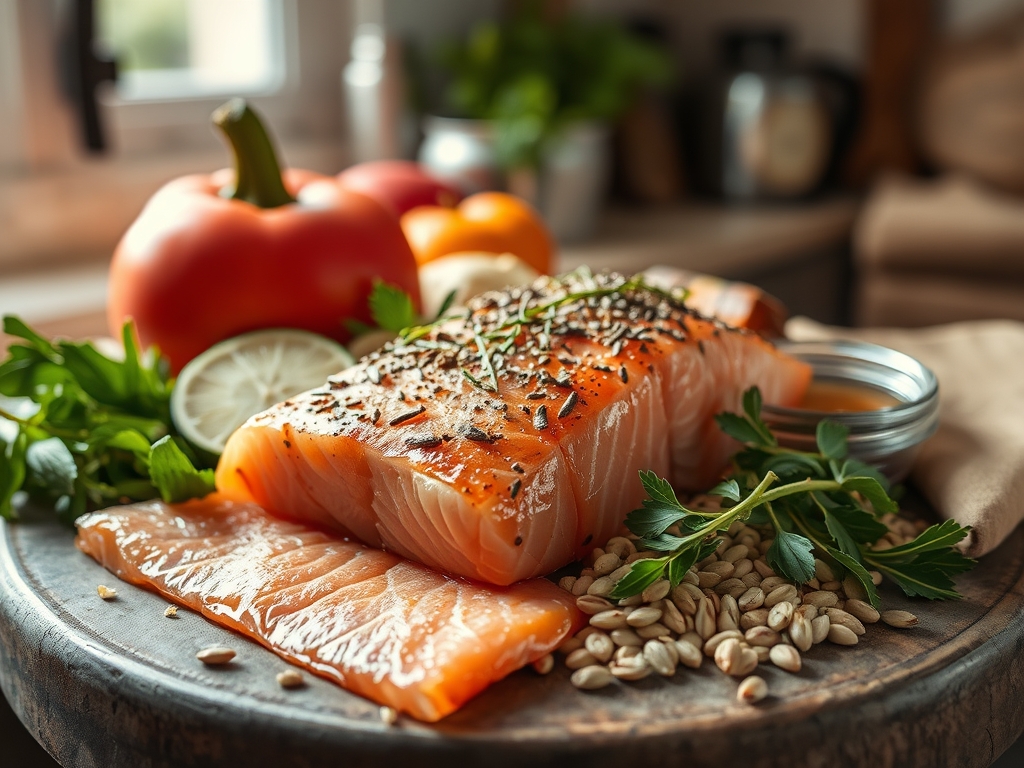
Before we ignite the burners, we must curate our palette. Your mise-en-place should look like a harvest bounty. Start with center-cut Atlantic or King salmon; these varieties possess the intramuscular fat necessary to withstand roasting temperatures without drying out. You will need a heavy-bottomed skillet or a half-sheet pan lined with parchment to prevent the albumin (that white protein that sometimes leaks out) from sticking and tearing the flesh.
For the aromatics, gather fresh sage, rosemary, and thyme. These woody herbs contain volatile oils that require heat to infuse into the cooking fat. You will also need a microplane for zesting citrus and grating fresh ginger into a viscous paste. Our flavor profiles will lean on liquid gold: pure maple syrup, apple cider reductions, and brown butter.
Smart Substitutions: If you cannot find high-quality salmon, steelhead trout is an excellent biological stand-in with a similar lipid profile. For a vegan guest, thick slabs of cauliflower or "steaks" of roasted butternut squash can be treated with the same glazing techniques, though the cooking time will increase to allow for cellular breakdown of the plant fibers.
The Clock: Timing the Perfect Roast
Precision is the difference between a meal and a masterpiece. The "Chef's Flow" dictates that you prep your cold elements first. Spend fifteen minutes on your knife work using a sharp bench scraper to clear your board. Your actual roasting time is remarkably short; usually twelve to fifteen minutes at 400 degrees Fahrenheit.
However, you must factor in the "resting phase." Just like a steak, salmon requires three to five minutes of rest to allow the internal juices to redistribute. Without this, the moisture will flee the moment your fork hits the flake. Total active time for these fall salmon recipes usually clocks in at thirty minutes, making them the ultimate "impressive but efficient" weeknight luxury.
The Masterclass:
1. Tempering the Protein
Take your salmon out of the refrigerator twenty minutes before cooking. Cold fish hitting a hot pan causes the muscle fibers to contract violently, squeezing out moisture. Use a paper towel to pat the skin bone-dry.
Pro Tip: This is about thermodynamics. A dry surface allows the Maillard reaction to occur immediately, rather than wasting energy evaporating surface water.
2. The Sear and Render
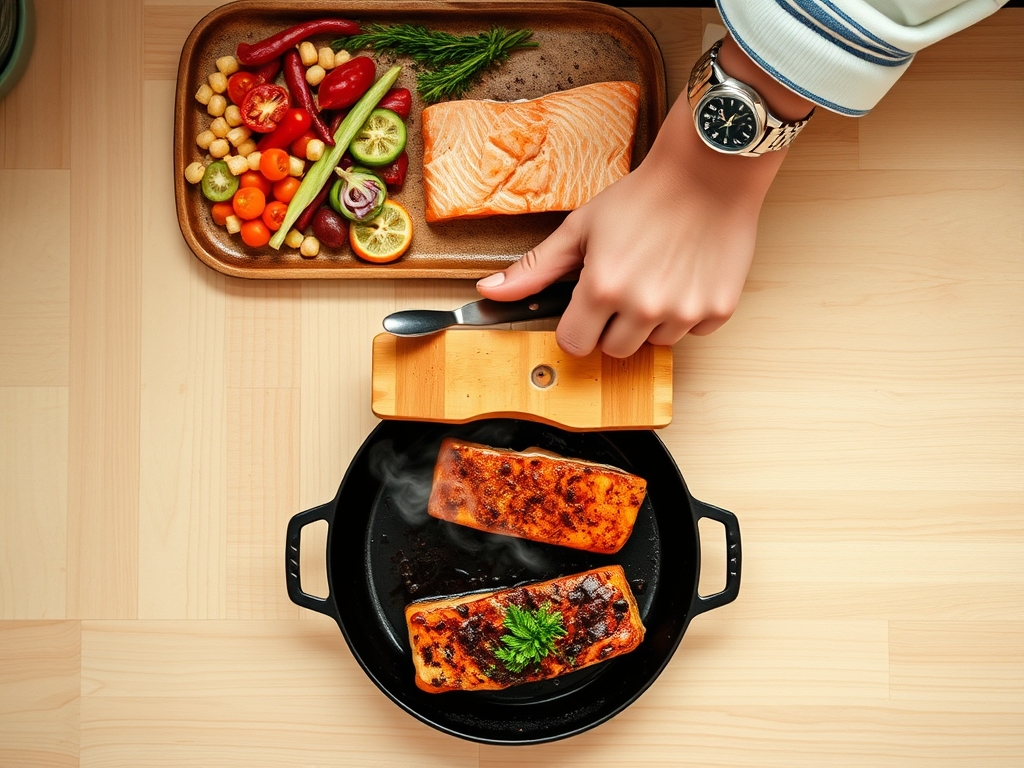
Place the salmon skin-side down in a cold heavy-bottomed skillet then turn the heat to medium-high. This allows the subcutaneous fat to render slowly, resulting in glass-like, crispy skin.
Pro Tip: Gradual heating prevents the skin from shrinking faster than the flesh, which keeps your fillets flat and aesthetically pleasing.
3. Creating the Glaze
In a small saucier, whisk together your maple, stone-ground mustard, and a splash of apple cider vinegar. Bring it to a simmer until it becomes viscous enough to coat the back of a spoon.
Pro Tip: This is reduction science. By evaporating water, you concentrate the sugars and acids, creating a piquant punch that cuts through the fish's richness.
4. The Oven Transition
Brush your glaze generously over the top of the fillets. Transfer the entire skillet or sheet pan into the center rack of the oven. This provides ambient heat that cooks the top while the residual heat from the pan continues to crisp the bottom.
Pro Tip: Use a digital scale to ensure your fillets are of equal weight, which guarantees they reach the target internal temperature simultaneously.
5. Monitoring Internal Temp
Use a digital thermometer to check the thickest part of the fish. You are aiming for 125 degrees Fahrenheit for a perfect medium-rare.
Pro Tip: Thermal carryover will raise the temperature another five degrees after you remove it from the heat. Pulling it early prevents the "chalky" texture of overcooked fish.
6. The Herb Infusion
During the last two minutes of roasting, toss whole sage leaves and a knob of butter into the pan. Use a spoon to aerate the bubbling butter and pour it over the fish.
Pro Tip: This is fat-soluble flavor extraction. The butter picks up the herb oils and creates a final layer of aromatic complexity.
7. The Final Rest
Move the salmon to a warm platter. Do not tent it tightly with foil, as the steam will soften that crispy skin you worked so hard to achieve. Let it sit for four minutes.
Pro Tip: Resting allows the protein structures to relax, ensuring every bite is succulent rather than tough.
The Deep Dive: Science and Solutions
From a macro perspective, salmon is a nutritional powerhouse, offering high-quality protein and Omega-3 fatty acids that are essential for brain health during the darker months. If you are following a Keto protocol, simply swap the maple syrup for a monk-fruit based sweetener or a heavy reduction of balsamic vinegar. For a Gluten-Free feast, ensure your mustard and spices are certified, as some thickeners contain hidden wheat.
The Fix-It: Common Pitfalls
- The White Gunk: If you see white albumin leaking out, your heat is too high. Fix it by lowering the oven temp and pulling the fish two minutes earlier next time.
- Stuck Skin: If the fish won't release from the pan, do not force it with tongs. Wait thirty seconds; often the protein will "self-release" once the crust is fully formed.
- Soggy Bottoms: This happens when vegetables release too much steam on the same pan. Fix this by roasting your veggies on a separate sheet to allow for proper air circulation.
Meal Prep and Reheating: To maintain "day-one" quality, never use a microwave. The high-frequency waves agitate water molecules too quickly, toughening the fish. Instead, reheat in a 275-degree oven with a splash of water covered by foil to create a gentle steam chamber.
The Wrap-Up:
You are now officially armed with the technical prowess to dominate the autumn dinner circuit. These fall salmon recipes aren't just about feeding people; they are about the ritual of the season and the joy of a perfectly executed sear. Go grab your favorite heavy-bottomed skillet, find the freshest catch at the market, and let the aroma of toasted sage and maple fill your home. You've got the science; now go make the magic happen!
The Kitchen Table:
How do I get the skin extra crispy?
Start the salmon in a cold pan with a small amount of oil. Gradually increasing the heat allows the fat to render out completely, frying the skin in its own lipids for a cracker-like texture that resists sogginess.
Can I use frozen salmon for these recipes?
Yes, but you must thaw it completely in the refrigerator and pat it extremely dry. Frozen fish often retains excess moisture, which can interfere with the Maillard reaction and lead to steaming rather than roasting.
What is the best way to store leftovers?
Place the cooled salmon in an airtight glass container. It will stay fresh for up to two days. Avoid plastic containers if possible, as they can retain the fish oils and develop a lingering scent over time.
Why did my glaze burn in the oven?
High-sugar glazes like maple or honey can undergo rapid pyrolysis if left in the oven too long. Apply the glaze during the final five minutes of cooking to ensure it caramelizes without turning bitter or black.