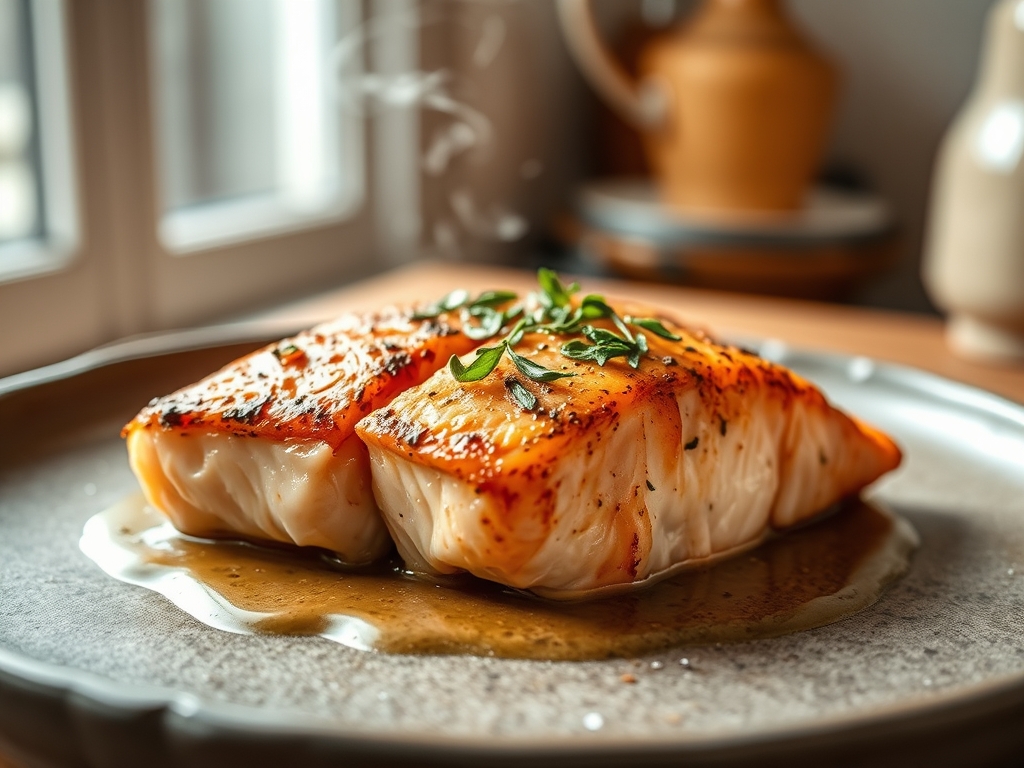
Picture this: a heavy-bottomed cast iron skillet sits atop a blue flame, the surface shimmering with a thin veil of avocado oil just beginning to reach its smoke point. You drop a cold, center-cut fillet skin-side down, and the kitchen erupts into that aggressive, rhythmic sizzle that signals the start of a perfect sear. We are not just making dinner; we are mastering the art of the Maillard reaction to create salmon recipes low carb enthusiasts will actually crave. Salmon is the ultimate canvas for low-carb living because its intramuscular fat provides a luxurious mouthfeel that makes you forget you ever touched a starch. It is rich, it is piquant, and when handled with scientific precision, it transforms from a simple protein into a five-star masterpiece. Today, I am taking you beyond the basic bake. We are diving into nine distinct flavor profiles that respect your macros while elevating your culinary IQ. From zesty gremolatas to silky emulsified butters, these methods ensure your fish is never dry, never dull, and always the smartest plate on the table.
The Gathers:
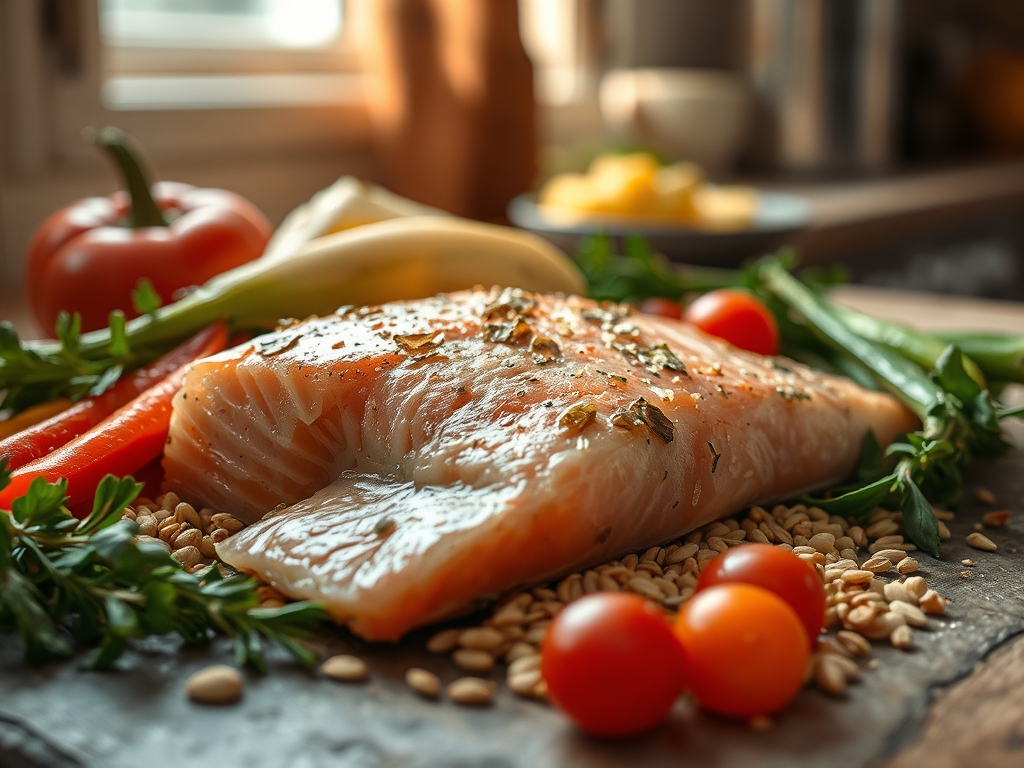
Setting your mise-en-place is the difference between a frantic kitchen and a fluid one. For these salmon recipes low carb variations, your workspace should look like a laboratory of texture. Start with high-quality, wild-caught Coho or King salmon; look for vibrant flesh that bounces back when pressed. You will need a microplane for zesting citrus and grating fresh horseradish to provide that sharp, nasal heat. Your fats are crucial: use ghee or tallow for high-heat searing to avoid the bitter notes of burnt milk solids.
Smart Substitutions are your best friend here. Instead of honey or maple glazes, we utilize liquid allulose or monk fruit drops to achieve that sticky, lacquered finish without the glycemic spike. For crunch, we bypass breadcrumbs in favor of crushed pork rinds or toasted almond flour mixed with nutritional yeast for a nutty, "cheesy" crust. Keep a digital scale nearby to ensure your portions are consistent, as even a half-ounce difference can alter the thermal journey of the fish. Finally, gather your aromatics: fresh dill, flat-leaf parsley, and capers. These acidic, herbaceous components cut through the viscous fat of the salmon, creating a balanced profile that dances on the palate.
The Clock:
In a professional kitchen, we talk about "Chef's Flow." This is the temporal management of your ingredients to ensure everything hits the plate at the peak of its sensory profile. Most of these salmon recipes low carb variations require a 10-minute prep window and a 12-to-15-minute cook time.
The flow begins with the "chill-break." Take your salmon out of the refrigerator 20 minutes before cooking. If you drop a cold fillet into a hot pan, the muscle fibers contract violently, squeezing out moisture and leaving you with a tough, rubbery texture. Use this 20-minute window to execute your knife work. While the fish tempers, use a bench scraper to organize your chopped herbs and minced garlic. Once the pan is hot, the actual cooking happens in a flash. Remember: salmon continues to cook for several minutes after it leaves the heat due to residual energy. If you wait until it looks "done" in the pan, it will be overcooked by the time you sit down to eat.
The Masterclass:
1. The Perfect Sear
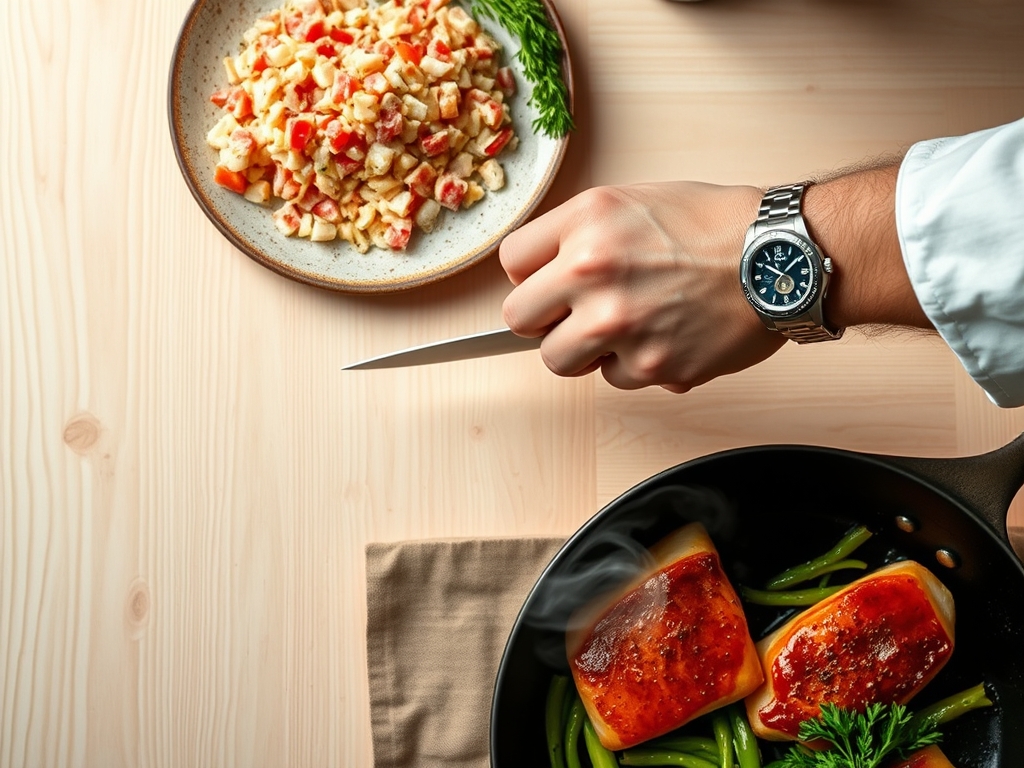
Start by patting the skin bone-dry with a paper towel. Moisture is the enemy of a crisp crust; any water on the surface will turn to steam and prevent the Maillard reaction. Place the fish skin-side down in a preheated heavy-bottomed skillet and press firmly with a weighted press or a spatula for the first 30 seconds.
Pro Tip: This constant pressure prevents the skin from curling as the proteins denature, ensuring maximum surface area contact for a shatter-crisp texture.
2. The Deglaze and Emulsify
Once the salmon is flipped and nearly finished, move it to the side of the pan. Pour in a splash of dry white wine or lemon juice to deglaze the brown bits (fond) from the bottom. Whisk in cold cubes of butter or coconut cream to create a pan sauce.
Pro Tip: This is a cold-emulsion technique. Adding cold fat to a hot liquid creates a stable, creamy suspension that coats the fish without breaking into a greasy mess.
3. The Gentle Rest
Transfer your fillets to a warm plate and let them sit for at least three minutes. Do not tent them tightly with foil, as the trapped steam will soften that skin you worked so hard to crisp.
Pro Tip: Resting allows the internal juices, which were pushed to the center by the heat, to redistribute back to the edges. This ensures every bite is equally succulent.
The Deep Dive:
When we look at the macro nutrition of these salmon recipes low carb options, we are seeing a powerhouse of Omega-3 fatty acids and high-quality protein. On average, a 6-ounce serving provides 34 grams of protein and zero net carbs, making it a keto goldmine. For those following a dairy-free or vegan-adjacent lifestyle (using high-quality plant-based salmon alternatives), you can swap butter for avocado oil or a rich macadamia nut puree to maintain that essential creaminess.
The Fix-It:
- The White Gunk (Albumin): If you see white streaks appearing on your salmon, the heat is too high. This is albumin, a protein that leaches out when the muscle fibers contract too quickly. Fix it by lowering your flame and using a digital thermometer to pull the fish at 125 degrees Fahrenheit for medium-rare.
- The Sticky Skin: If the fish is stuck to the pan, do not force it with tongs. It will release naturally once the proteins have fully caramelized. If it still wont budge, your pan likely wasn't hot enough before you started.
- The Soggy Bottom: This happens when salmon sits in its own juices. Always rest your fish on a wire cooling rack over a sheet pan to allow air to circulate around the entire fillet.
Meal Prep Science:
To reheat salmon without it smelling like a shipyard, avoid the microwave. The high-frequency waves agitate the fat molecules too aggressively. Instead, place the fillet in a 275-degree oven with a tablespoon of water and cover it tightly with foil. This creates a gentle steam chamber that rehydrates the protein without overcooking it.
The Wrap-Up:
Mastering salmon recipes low carb style is about more than just cutting out the pasta; it is about respecting the chemistry of the ingredients. When you understand how to manage thermal carryover and how to balance viscous fats with piquant acids, you become the master of your kitchen. These nine variations offer a rotation of flavors that keep your palate excited and your body in a state of high-performance ketosis. Grab your saucier, sharpen your knives, and let the sizzle begin. You have the tools, the science, and the flavor profiles to turn a simple weeknight into a culinary event.
The Kitchen Table:
How do I prevent salmon from smelling "fishy"?
Buy the freshest fish possible and rinse it with cold water, then pat dry. The "fishy" smell comes from Trimethylamine (TMA) produced when fish fats oxidize. Acidic marinades like lemon or vinegar also neutralize these odors effectively.
Can I use frozen salmon for these recipes?
Yes, but thaw it slowly in the refrigerator for 24 hours. Quick-thawing in warm water damages the cellular structure, leading to a mushy texture. Always pat frozen fish extra dry to remove excess moisture from the freezing process.
What is the best internal temperature for low-carb salmon?
For a buttery, tender texture, aim for 125 to 130 degrees Fahrenheit. This is considered medium-rare. Cooking salmon to the USDA-recommended 145 degrees often results in a dry, chalky mouthfeel that obscures the natural flavors.
What are the best side dishes for low-carb salmon?
Focus on high-fiber, non-starchy vegetables. Sautéed asparagus with lemon zest, riced cauliflower with garlic, or a bitter arugula salad with a champagne vinaigrette complement the rich fats of the salmon without adding unnecessary carbohydrates to your meal.