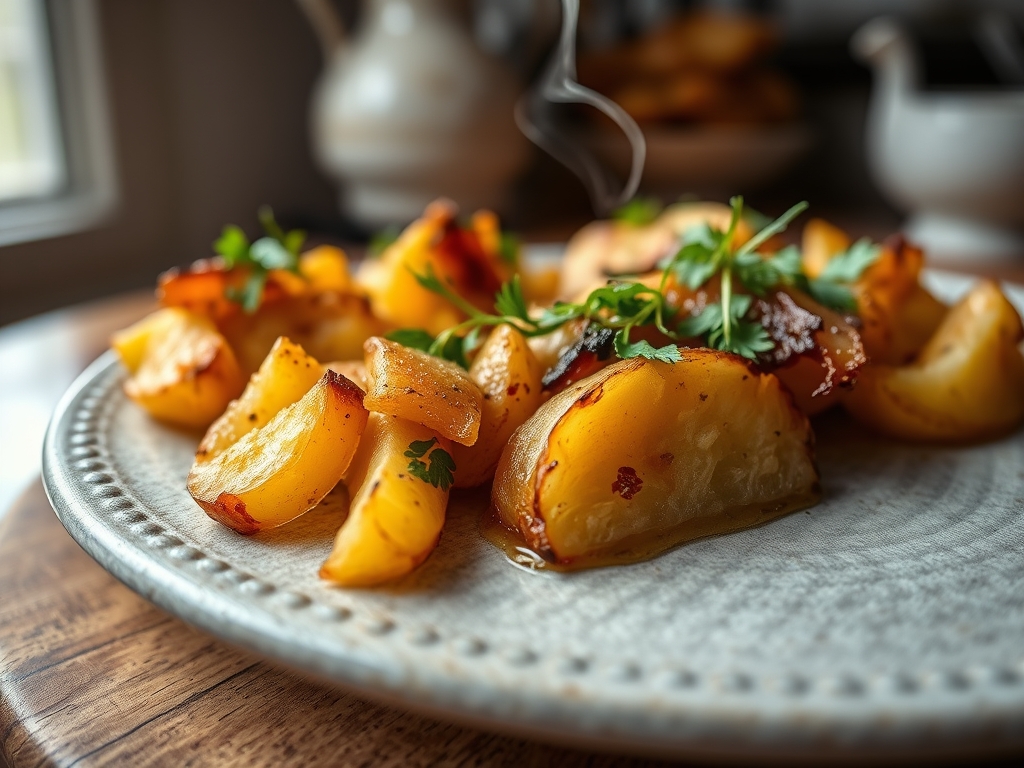
Picture a kitchen filled with the scent of rosemary infused butter and the sharp, satisfying crack of a golden crust. We are moving far beyond the humble mash. To truly master different potato recipes, you must treat the tuber like a structural masterpiece of starch and water, ready to be transformed by heat and chemistry.
The potato is a blank canvas for texture. Whether you are craving the glass-like shatter of a triple-cooked chip or the velvety, viscous luxury of a proper pomme puree, the secret lies in how you manipulate the cell walls. Most home cooks treat every spud the same, but we are going to dive into the molecular mechanics that make these eight methods legendary. We will explore how to manage amylose and amylopectin to achieve that perfect mouthfeel every single time.
From the high-heat intensity of a heavy-bottomed skillet to the gentle, uniform warmth of a sous-vide bath, these different potato recipes are designed to elevate your dinner game. We are talking about the kind of side dishes that steal the spotlight from the main course. Grab your apron and your favorite chef's knife; we are about to turn a simple root vegetable into a culinary event that your friends will be texting you about for weeks.
The Gathers:
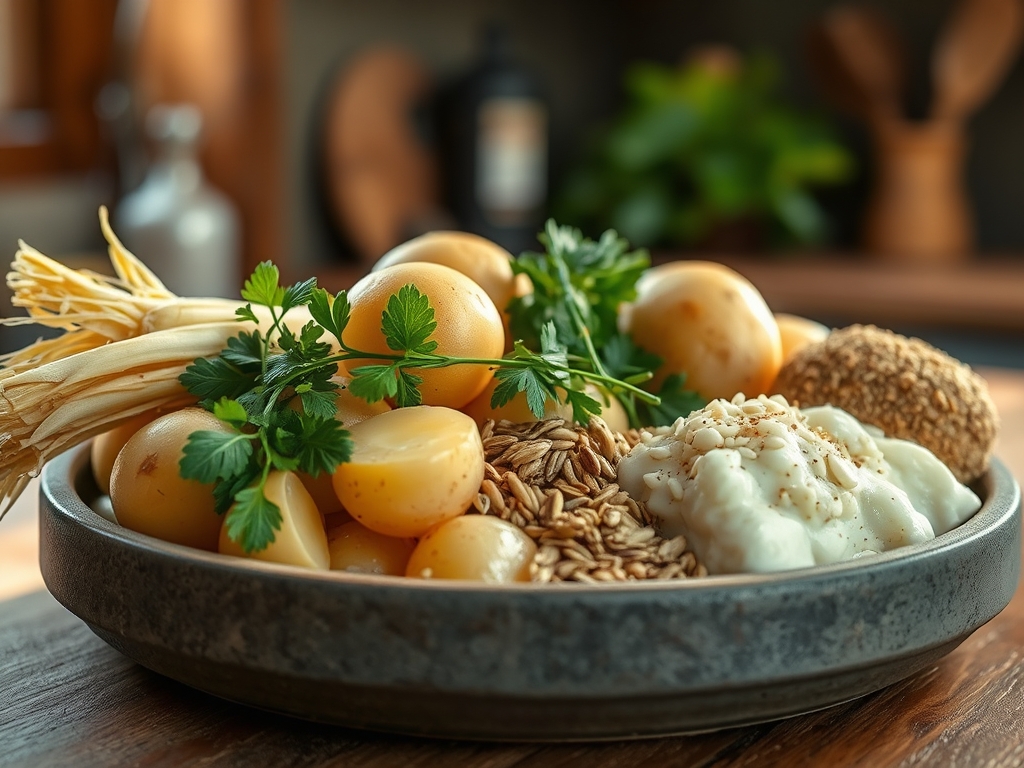
To execute these different potato recipes, your mise-en-place must be precise. Start with high-starch Russets for fluffiness and waxy Yukons for creaminess. You will need high-quality fats: unsalted European butter with a high butterfat content, duck fat for its high smoke point and savory depth, and cold-pressed olive oil. For aromatics, keep fresh thyme, rosemary, and whole garlic cloves ready to infuse your oils.
Your tool kit is just as vital as your ingredients. Ensure you have a digital scale for precise starch-to-fat ratios; a microplane for zesting and grating hard cheeses; and a bench scraper to move your diced potatoes without bruising the flesh. A saucier is essential for emulsifying butter sauces, while a heavy-bottomed skillet ensures even heat distribution to prevent hot spots that cause uneven browning.
Smart Substitutions: If you are out of duck fat, beef tallow provides a similar rich umami profile. For a lighter version of a creamy mash, swap heavy cream for a high-quality buttermilk; the acidity helps break down the richness while adding a piquant tang. If you need a vegan binder, aquafaba can mimic the protein structure of egg whites in certain roasted applications.
The Clock:
Mastering the "Chef's Flow" is about overlapping tasks to maximize efficiency. Prep work, including peeling and dicing, typically takes 15 to 20 minutes. Boiling or parblanching requires another 10 to 12 minutes. The actual roasting or searing phase varies from 20 to 45 minutes depending on the specific method. Total time generally clocks in around 60 to 80 minutes for the more complex different potato recipes.
The flow begins with the "Cold Start" rule. Always start your potatoes in cold, salted water to ensure the interior and exterior cook at the same rate. While the potatoes simmer, use that time to render your fats and mince your herbs. By the time the potatoes are fork-tender and ready for the oven or pan, your aromatics are already infused and your workspace is clear. This synchronization prevents the potatoes from sitting too long and becoming gummy.
The Masterclass:
1. The Triple-Cooked Technique
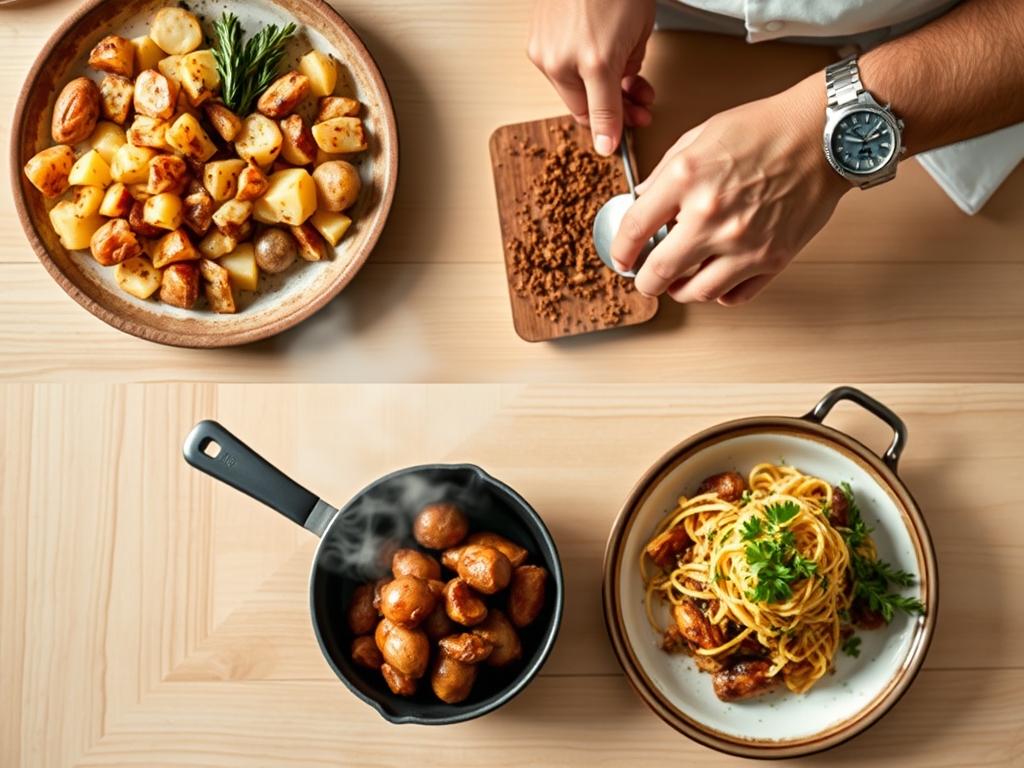
This method involves boiling, drying, and double-frying. Start by simmering thick wedges until the edges start to fray. This creates more surface area for the oil to grab onto later.
Pro Tip: This fraying increases the surface area for the Maillard reaction. By drying the potatoes in the fridge after boiling, you remove excess moisture, which prevents steaming and ensures a shatter-crisp exterior.
2. The Hasselback Precision
Slice the potato into thin accordions, stopping just before you cut through the bottom. Brush liberally with clarified butter and roast at high heat.
Pro Tip: Use two wooden spoons as "stoppers" on either side of the potato to prevent the knife from cutting all the way through. This allows the heat to conduct through the slices evenly, creating a texture that is half-chip and half-baked potato.
3. The Pomme Puree Emulsion
Boil Yukon Golds, pass them through a fine-mesh ricer, and then fold in cold cubes of butter. The ratio should be nearly two parts potato to one part butter.
Pro Tip: Cold butter is essential for a stable emulsion. If the butter is too warm, the fat will separate from the milk solids, resulting in a greasy mess rather than a silky, aerated cloud.
4. The Fondant Sear
Cut potatoes into uniform cylinders using a circular mold. Sear the ends in a heavy-bottomed skillet until dark brown, then braise them halfway up in chicken stock and butter in the oven.
Pro Tip: This method uses capillary action to pull the flavorful stock into the potato as it roasts. The result is a creamy, infused center with a crusty, caramelized top.
5. The Smashed Crisp
Parboil baby potatoes, then use a heavy glass or a meat mallet to gently flatten them. Roast with plenty of olive oil and sea salt until the jagged edges turn deep mahogany.
Pro Tip: Smashing the potato breaks the skin and exposes the internal starches. These starches then gelatinize and dehydrate in the oven, creating those coveted "crunchy bits" that are packed with flavor.
6. The Boulangere Layering
Thinly slice potatoes and onions using a mandoline. Layer them in a gratin dish, douse with hot lamb or vegetable stock, and bake until the liquid is absorbed.
Pro Tip: Unlike a gratin dauphinois, this uses stock instead of cream. The starch retrogradation that occurs as the dish cools slightly helps the layers bond together, making it easy to slice perfect squares.
7. The Salt-Crust Bake
Bake whole potatoes on a thick bed of coarse sea salt. The salt draws out moisture from the skin, concentrating the earthy flavor of the flesh.
Pro Tip: The salt acts as a thermal insulator, distributing heat more evenly around the potato. This prevents the bottom from burning while the interior steams in its own natural juices.
8. The Gnocchi Sauté
Make a quick potato dough, boil the pillows, and then finish them in a pan with brown butter and sage until they develop a golden crust.
Pro Tip: Searing the boiled gnocchi triggers a secondary browning reaction. This adds a textural contrast between the pillowy interior and the crisp exterior, which helps the sauce cling to the surface.
The Deep Dive:
Potatoes are a nutritional powerhouse, offering more potassium than a banana and a solid dose of Vitamin C. When you cook and then cool a potato, you increase its resistant starch content, which acts as a prebiotic for your gut health. For those on specific diets, these different potato recipes are naturally gluten-free. For keto followers, swap the potato for cauliflower or daikon radish using the same techniques. Vegans can substitute butter with avocado oil or coconut oil for a rich, fatty mouthfeel.
The Fix-It: If your mash is gummy, you likely overworked the starch; try folding in a little warm milk to loosen it, but never use a food processor. If your roasted potatoes are soggy, you crowded the pan; moisture trapped between the spuds creates steam, so always use two pans if necessary. If the skins are bitter, you might be using "green" potatoes; always peel away any green tinges to avoid solanine, a natural but bitter compound.
Meal Prep: To reheat and maintain "day-one" quality, avoid the microwave. Use an air fryer or a hot oven to reinvigorate the crispness. The science of starch crystallization means that cold potatoes can be firm, but a quick blast of dry heat will soften the interior while re-dehydrating the crust.
The Wrap-Up:
You are now armed with the technical prowess to turn a grocery store staple into a five-star side dish. Remember, the difference between a good potato and a perfect one is all in the details: the temperature of your butter, the dryness of the surface, and the patience of your sear. Go ahead and experiment with these different potato recipes. Your kitchen is your laboratory, and the results are going to be absolutely delicious. Happy cooking!
The Kitchen Table:
Why do my potatoes turn brown before I cook them?
This is enzymatic browning caused by oxygen hitting the phenols in the potato. To prevent this, keep your peeled or cut potatoes submerged in cold water until you are ready to apply heat.
What is the best potato for roasting?
Yukon Golds are the gold standard. They have a medium starch content that allows for a creamy interior while still developing a tough, crisp exterior when exposed to high-heat fats like duck fat.
Can I make mashed potatoes ahead of time?
Yes, but store them in a heat-proof bowl covered with plastic wrap. Reheat them over a bain-marie (simmering water bath) while whisking in a splash of warm cream to restore the silky emulsion.
Why should I start potatoes in cold water?
Starting in cold water ensures the potato heats up uniformly. If you drop them into boiling water, the outside will overcook and fall apart before the center reaches the proper temperature.