
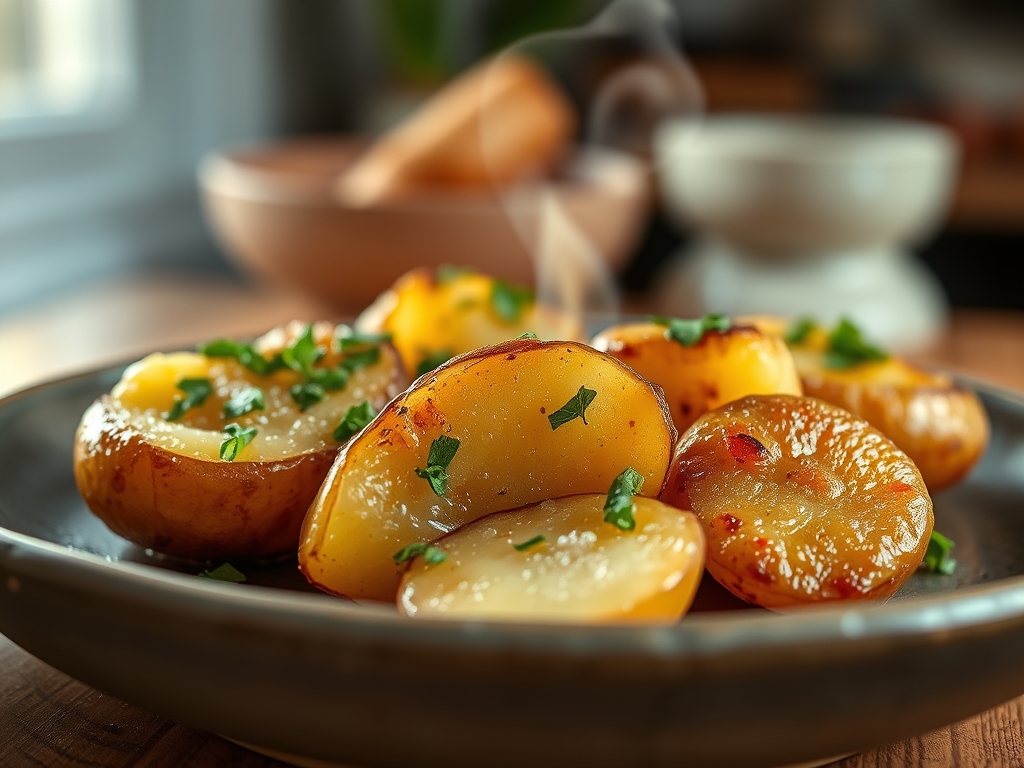
Imagine the scent of buttery, velvet-soft starch wafting through your kitchen as the steam valve hisses its final sigh of relief. We have all been there; staring at a bag of dusty Russets and wondering how to transform them into something transcendent without spending two hours hovering over a boiling pot. Mastering instant pot potato recipes is not just about convenience; it is about harnessing high-pressure physics to achieve a texture that traditional stovetop methods simply cannot replicate. By manipulating the cellular structure of the tuber through rapid thermal infusion, we can create spuds that are creamy on the inside while maintaining structural integrity. Whether you are prepping for a frantic weeknight or a high-stakes dinner party, these hacks will turn your pressure cooker into a culinary laboratory. We are moving beyond basic boiling and into the realm of pressurized perfection, where every bite is a masterclass in flavor density and mouthfeel.
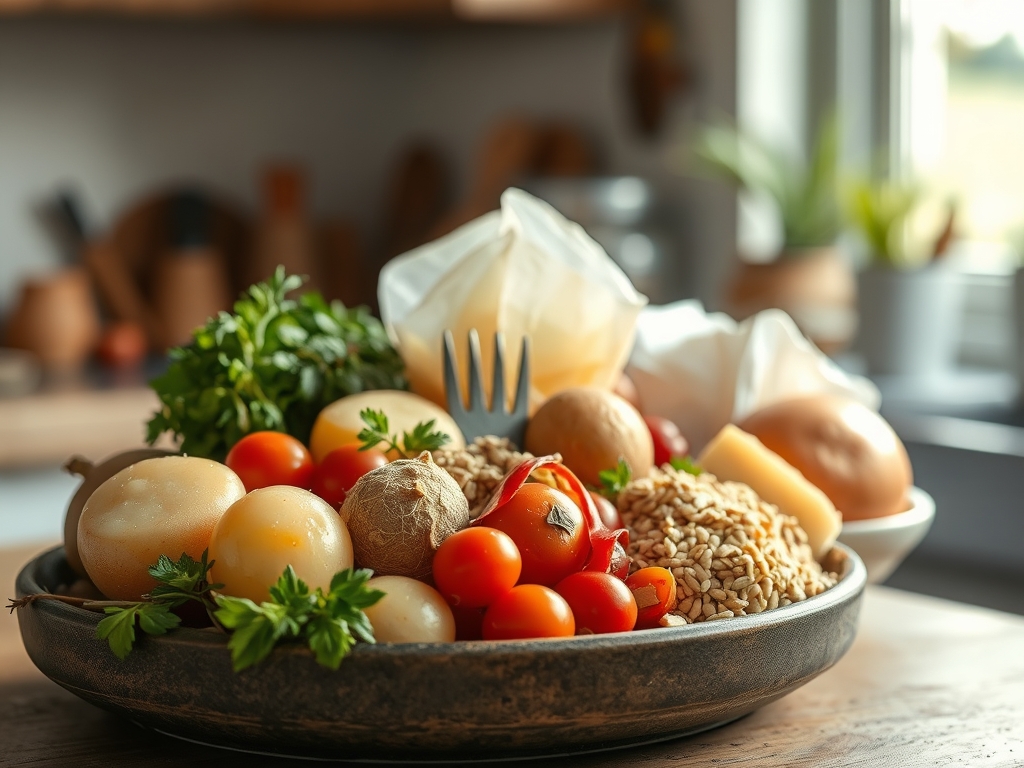
The Gathers:
To begin our journey, we must assemble a mise-en-place that respects the chemistry of the potato. Start with your choice of tuber; Russets for fluffiness due to their high starch content, or Yukon Golds for a viscous, buttery finish. You will need a digital scale to ensure consistent sizing, as uneven chunks lead to uneven pectin breakdown. Gather high-quality fats: unsalted European-style butter (which has a lower water content) or a piquant extra virgin olive oil. For aromatics, keep whole garlic cloves, sprigs of rosemary, and kosher salt within reach.
Smart Substitutions: If you are avoiding dairy, a full-fat coconut milk can provide the necessary lipids for a creamy emulsion. For those seeking a lower glycemic index, swap traditional white potatoes for Hannah sweet potatoes; their firmer texture holds up beautifully under pressure. If you lack fresh herbs, a pinch of high-quality dried thyme or smoked paprika can infuse the cooking liquid with deep, earthy undertones. Always keep a bench scraper handy to transfer your chopped ingredients cleanly from the board to the pot without losing those precious, flavor-packed juices.
The Clock:
Efficiency in the kitchen is governed by what I call the Chef's Flow. This is the art of overlapping tasks so that no second is wasted. Total prep time for these hacks is a crisp 10 minutes. You will spend roughly 5 minutes scrubbing and cubing your potatoes, and another 5 minutes gathering your aromatics.
The cook time is where the magic happens. Most instant pot potato recipes require a 7 to 12-minute high-pressure cycle followed by a 5-minute natural pressure release. This "rest" period is vital; it allows the internal steam to finish cooking the core of the potato without the exterior disintegrating. While the pot is pressurized, use those 15 minutes to render bacon in a heavy-bottomed skillet or prepare a vibrant chimichurri. By the time the pin drops, your garnishes are ready, and your meal is synchronized.
The Masterclass:
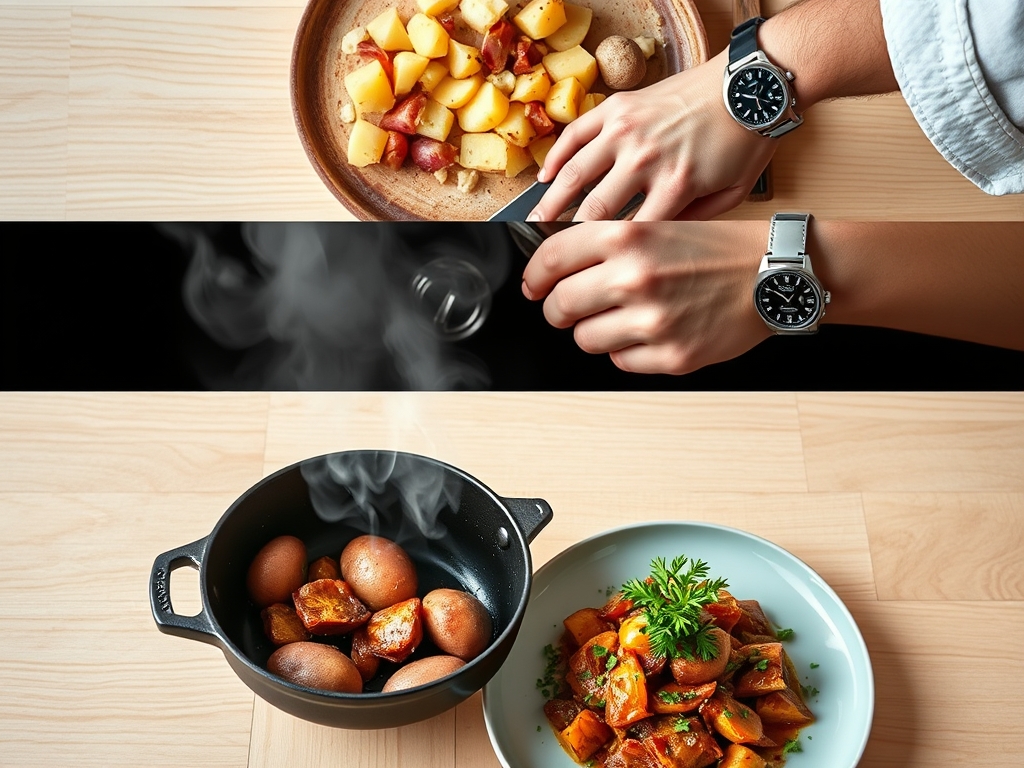
1. The Uniform Cube Method
Consistency is the soul of precision. Use a sharp chef's knife to cut your potatoes into exact 1.5-inch cubes. This ensures that the heat penetrates every piece at the same rate, preventing a mix of mushy and crunchy bits.
Pro Tip: This prevents enzymatic browning by minimizing the time the cut surface is exposed to oxygen before being submerged in liquid.
2. The Searing Secret
Before adding water, use the "Sauté" function to brown the potatoes in a bit of oil. This creates a Maillard reaction, developing complex sugars on the surface that add a nutty depth to the final dish.
Pro Tip: Searing creates a structural "crust" that helps the potato hold its shape even after high-pressure steaming.
3. Deglazing the Fond
After searing, use a splash of chicken stock or white wine to deglaze the bottom of the pot. Use a wooden spoon to scrape up the browned bits (the fond).
Pro Tip: Those browned bits are concentrated umami; incorporating them into the cooking liquid ensures the flavor is absorbed into the heart of the potato.
4. The Trivet Elevation
Place your potatoes on the stainless steel trivet rather than directly in the water. This allows them to steam rather than boil, preserving the delicate starch granules.
Pro Tip: Steaming prevents the potatoes from becoming waterlogged, which is essential for achieving a fluffy, non-gummy mash later.
5. Infusing the Steam
Add smashed garlic cloves and bay leaves directly to the water below the trivet. As the pressure builds, the steam carries the volatile oils of the aromatics into the potatoes.
Pro Tip: This uses vapor-phase infusion to flavor the tubers from the inside out, rather than just seasoning the surface.
6. The Salt Brine Soak
If you have an extra ten minutes, soak your cut potatoes in heavily salted water before cooking. This seasons the interior of the potato through osmosis.
Pro Tip: Salt strengthens the pectin in the cell walls, helping the potatoes maintain a "snappy" texture even when fully cooked.
7. The Acid Addition
Add a teaspoon of lemon juice or white vinegar to the cooking water. The acidity prevents the potatoes from falling apart by strengthening the cellular bonds.
Pro Tip: This is a classic chemical "fix" that ensures your potato salad chunks stay distinct and beautiful.
8. Controlled Steam Release
Always use a 5-minute natural release before flipping the vent. A sudden drop in pressure can cause the potatoes to expand and burst.
Pro Tip: This manages thermal carryover, allowing the residual heat to finish the cooking process gently and evenly.
9. The Microplane Finish
Once the potatoes are cooked and drained, zest a bit of fresh lemon or grate hard parmesan over them using a microplane.
Pro Tip: The fine particles melt instantly into the hot starch, creating a seamless flavor profile without altering the texture.
10. The Aeration Whip
If making mash, use a whisk or an electric mixer to aerate the potatoes while they are still piping hot. This incorporates air bubbles, making the dish light and ethereal.
Pro Tip: Adding cold butter at this stage creates a stable emulsification, resulting in a glossy, restaurant-quality finish.
The Deep Dive:
From a macro nutrition perspective, potatoes are an excellent source of complex carbohydrates, potassium, and Vitamin C. To keep things balanced, watch the added fats; while butter is delicious, a dollop of Greek yogurt can provide a similar creamy texture with an added protein boost. For my Keto friends, try substituting half the potatoes with cauliflower florets to lower the net carb count while maintaining that "comfort food" vibe.
The Fix-It:
- The Burn Error: This usually happens if you didn't deglaze properly. Fix it by adding more liquid and ensuring no starch is stuck to the bottom.
- Gummy Texture: This is caused by overworking the starch. If your mash turns to glue, fold in some roasted garlic or cheese to mask the texture; next time, use a potato ricer.
- Underdone Centers: If your spuds are still crunchy, simply pop the lid back on and cook for 2 more minutes. The residual heat often does the trick.
Meal Prep: To reheat, avoid the microwave if possible. Instead, use a saucier with a splash of milk over low heat. This restores the moisture balance and prevents the starches from retrograding into a dry, crumbly mess.
The Wrap-Up:
There you have it! You are now officially a pro at navigating instant pot potato recipes with scientific flair. By understanding the relationship between pressure, starch, and aromatics, you can turn a humble root vegetable into the star of the show. Remember, cooking is as much about the tools you use (like that trusty tongs and digital scale) as it is about the love you put into it. Now, go forth and pressure cook with confidence; your dinner guests (and your taste buds) will thank you.
The Kitchen Table:
How do I prevent my potatoes from turning brown?
Submerge peeled and cut potatoes in cold water immediately. This blocks oxygen from reaching the surface, halting the enzymatic reaction. If you are prepping far in advance, add a squeeze of lemon juice to the water for extra protection.
Can I cook frozen potatoes in the Instant Pot?
Yes, you can. Increase the high-pressure cook time by about 2 to 3 minutes. Ensure the pieces are not clumped together so the pressurized steam can circulate evenly around each frozen morsel for consistent results.
What is the best potato for mashing?
Russets are the gold standard for fluffy mash because their high starch content allows them to absorb butter and cream easily. Yukon Golds are a close second if you prefer a denser, more buttery and velvet-like consistency.
Why did my potatoes explode in the pot?
This usually happens due to a "Quick Release" of pressure. The rapid change in environment causes the internal steam to expand too fast. Always use at least a 5-minute natural release to let the pressure stabilize gradually.