
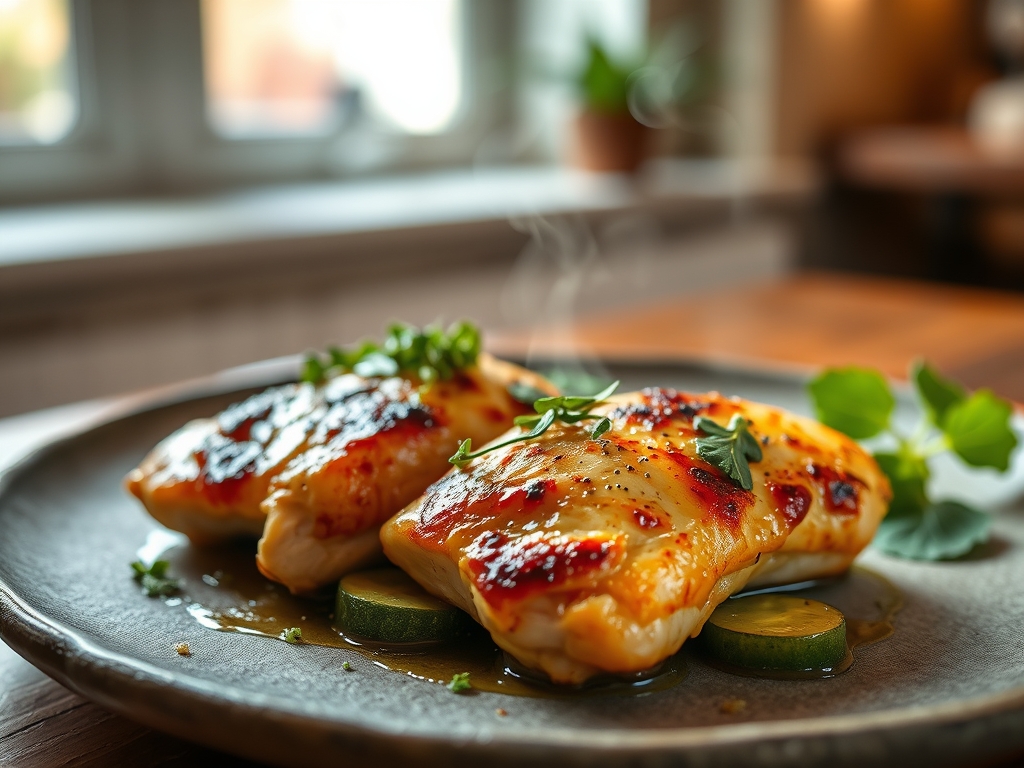
Imagine the sizzle of a heavy bottomed skillet meeting cold pressed olive oil while the scent of searing poultry fills your kitchen. Finding the perfect balance between lean protein and garden fresh produce is an art form; specifically, mastering chicken recipes with zucchini ensures your dinner table remains vibrant and nutritionally dense. These eight variations offer a symphony of textures from crisp to velvety.
The magic happens when the high water content of the squash meets the savory depth of pan seared chicken. Whether you are spiralizing into noodles or dicing into a rustic hash, the zucchini acts as a botanical sponge, soaking up every drop of golden fat and aromatic herb. We are moving beyond the basic stir fry into a world of culinary precision where every ingredient serves a structural purpose. Prepare your palate for a journey through eight distinct flavor profiles that prove healthy eating is never synonymous with blandness.
The Gathers:
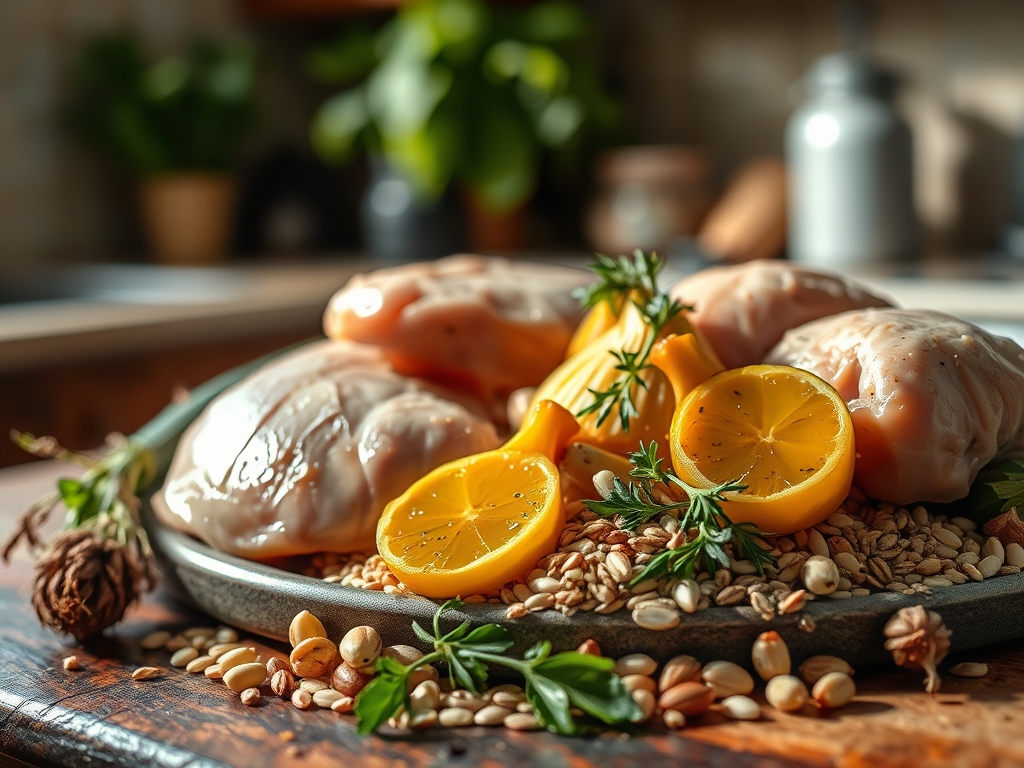
To execute these chicken recipes with zucchini flawlessly, your mise en place must be clinical. Start with organic chicken breasts or thighs; thighs are preferable for beginners because their higher lipid content provides a safety net against thermal overcooking. Your zucchini should be firm to the touch with a glossy, unblemished epidermis. Softness indicates cellular breakdown, which leads to a mushy final product.
Gather your aromatics: fresh cloves of garlic, shallots for a delicate piquancy, and lemons for essential acidity. You will need high quality fats like grass fed butter or avocado oil, which boasts a high smoke point of 520 degrees Fahrenheit. Do not forget the textural components; toasted pine nuts or shaved parmesan add the necessary crunch and umami.
Smart Substitutions:
If you are avoiding nightshades, swap the red pepper flakes for a dusting of white pepper to maintain heat without the lectins. For those lacking a spiralizer, use a standard vegetable peeler to create wide, pappardelle style ribbons. If chicken is unavailable, firm tofu or turkey tenderloin can be substituted using the exact same searing techniques to achieve a Maillard reaction.
The Clock
Efficiency in the kitchen is governed by the Chef's Flow. This concept dictates that you perform high energy tasks first, such as chopping and measuring, so that the actual cooking process is a meditative sequence of heat management. Total preparation for these dishes typically spans 15 to 20 minutes of active knife work.
The cooking duration varies by method, but most chicken recipes with zucchini are completed within 12 to 18 minutes. This rapid timeline prevents the zucchini from losing its structural integrity. By the time the chicken reaches its safe internal temperature of 165 degrees Fahrenheit, the zucchini should be just tender, retaining a slight snap. This synchronization ensures that no component is sacrificed for the sake of the other.
The Masterclass
1. Temper and Season the Protein
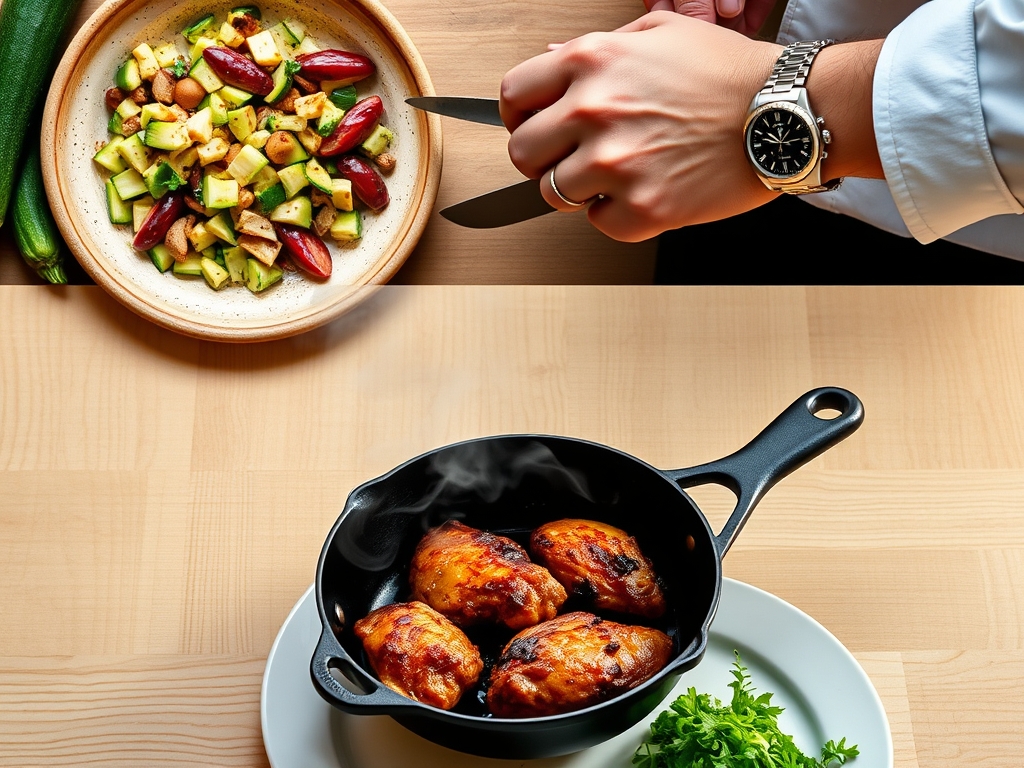
Remove your chicken from the refrigerator 20 minutes before cooking to reach room temperature. This ensures even heat distribution across the muscle fibers. Pat the surface bone dry with paper towels to remove moisture; water is the enemy of a good sear.
Pro Tip: This process prevents a massive temperature drop in your skillet. If the meat is too cold, it will steam in its own juices rather than undergoing enzymatic browning, which is essential for developing complex flavor compounds.
2. Achieve the Perfect Sear
Heat your heavy bottomed skillet until the oil shimmers. Place the chicken away from you to avoid splashes. Let it sit undisturbed for 5 to 6 minutes until a golden crust forms and the meat releases naturally from the pan surface.
Pro Tip: Use stainless steel or cast iron to maximize the Maillard reaction. This chemical reaction between amino acids and reducing sugars creates hundreds of different flavor molecules that cannot be replicated by boiling or steaming.
3. Deglaze and Build the Base
Once the chicken is removed to rest, you will see brown bits stuck to the bottom of the pan. This is called "fond." Add a splash of dry white wine or chicken stock and use a wooden spoon to scrape these bits into the liquid.
Pro Tip: This is called deglazing. The liquid acts as a solvent, lifting the concentrated flavors of the meat and incorporating them into a rich, viscous sauce that will later coat your zucchini.
4. Flash Sauté the Zucchini
Add your zucchini to the pan. Whether it is sliced or spiralized, keep the heat high and the movement constant using metal tongs. You only want to cook the squash for 2 to 3 minutes.
Pro Tip: Zucchini contains about 95 percent water. Brief exposure to high heat allows the exterior to soften while the cellular walls remain intact, preventing the vegetable from turning into a watery puree.
5. Emulsify the Sauce
Return the chicken and any accumulated juices to the pan. Add a knob of cold butter or a splash of heavy cream and toss vigorously over low heat.
Pro Tip: This creates a stable emulsion. The fats bind with the deglazing liquid to create a glossy coating that clings to the ingredients rather than pooling at the bottom of the plate.
6. Finish with Fresh Aromatics
Turn off the heat before adding fresh herbs like basil or parsley and a squeeze of lemon juice. The residual heat is enough to release their essential oils without dulling their vibrant color.
Pro Tip: Volatile aromatic compounds in fresh herbs are highly sensitive to heat. Adding them at the very end ensures the olfactory profile of the dish remains bright and piquant.
The Deep Dive
From a macro perspective, chicken recipes with zucchini are a powerhouse. A standard serving offers approximately 35 grams of protein with fewer than 10 grams of carbohydrates, making it a staple for keto and low carb lifestyles. Zucchini provides essential Vitamin C and potassium, while the chicken supplies B vitamins and magnesium.
Dietary Swaps:
For a vegan version, use chickpeas or thick slices of cauliflower "steak." If you require a gluten free meal, ensure your chicken stock is certified and avoid using flour as a thickening agent; use a cornstarch slurry or simply reduce the sauce further.
The Fix-It:
- Soggy Zucchini: This happens if you salt the vegetable too early. Salt draws out moisture via osmosis. Solution: Salt only in the final 30 seconds of cooking.
- Dry Chicken: This is usually the result of ignoring carryover cooking. Solution: Remove chicken from the heat when it hits 160 degrees Fahrenheit; it will reach 165 degrees while resting.
- Broken Sauce: If your sauce looks greasy, the emulsion has failed. Solution: Add a teaspoon of warm water and whisk vigorously to re-incorporate the fats.
Meal Prep:
When reheating, do not use a microwave if possible. The microwave agitates water molecules, making the zucchini mushy. Instead, use a small skillet over medium heat with a teaspoon of water to create a gentle steam that refreshes the dish without overcooking the protein.
The Wrap-Up
Mastering these chicken recipes with zucchini transforms a humble weeknight dinner into a restaurant quality experience. By focusing on the science of heat and the timing of moisture, you ensure every bite is a perfect balance of savory and fresh. Grab your favorite skillet, sharpen your chef's knife, and embrace the vibrant flavors of the season. Your kitchen is now a laboratory of deliciousness where health and taste coexist beautifully.
The Kitchen Table
How do I stop zucchini noodles from being watery?
Salt the noodles in a colander for 10 minutes before cooking. Squeeze them firmly in a clean kitchen towel to remove excess moisture. This ensures they sauté beautifully rather than boiling in the pan.
Can I use frozen chicken for these recipes?
You must fully thaw chicken in the refrigerator before cooking. Frozen centers lead to uneven cooking, leaving the outside dry while the inside remains dangerously undercooked. Always pat thawed meat dry before searing.
What is the best way to cut zucchini for chicken dishes?
For hearty stews, use large half moons. For quick stir fries, use thin matchsticks or "julienne" cuts. For a pasta replacement, use a spiralizer or a mandoline to create long, thin strands.
How long does cooked chicken and zucchini last in the fridge?
Stored in an airtight glass container, these dishes remain fresh for 3 to 4 days. Glass is preferable to plastic as it does not retain odors or leach chemicals during the reheating process.