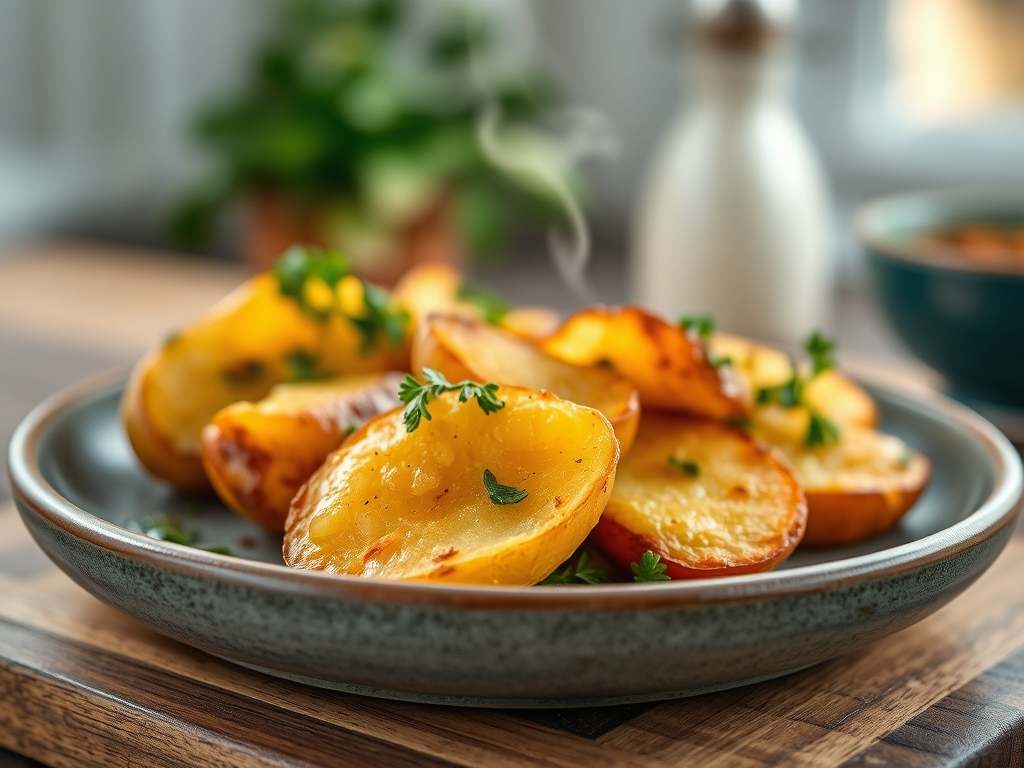
Imagine the scent of rosemary-infused fat hitting a hot pan; it is the olfactory equivalent of a warm hug after a long day. We often overlook the humble tuber, but mastering easy potato recipes for dinner is the ultimate culinary cheat code for weeknight sanity. Whether they are smashed, roasted, or whipped into a silky cloud, potatoes offer the perfect canvas for high-impact flavor with minimal physical labor.
The secret to a truly elevated potato dish lies in the chemistry of the starch itself. We are moving beyond the basic boiled spud and into the realm of crispy edges and creamy interiors that feel like a luxury restaurant meal. By understanding how heat interacts with the cell walls of different varieties, you can transform a five-pound bag of Russets into ten distinct, gourmet experiences. This guide is your roadmap to reclaiming your evenings without sacrificing the sophisticated palate you deserve.
The Gathers:
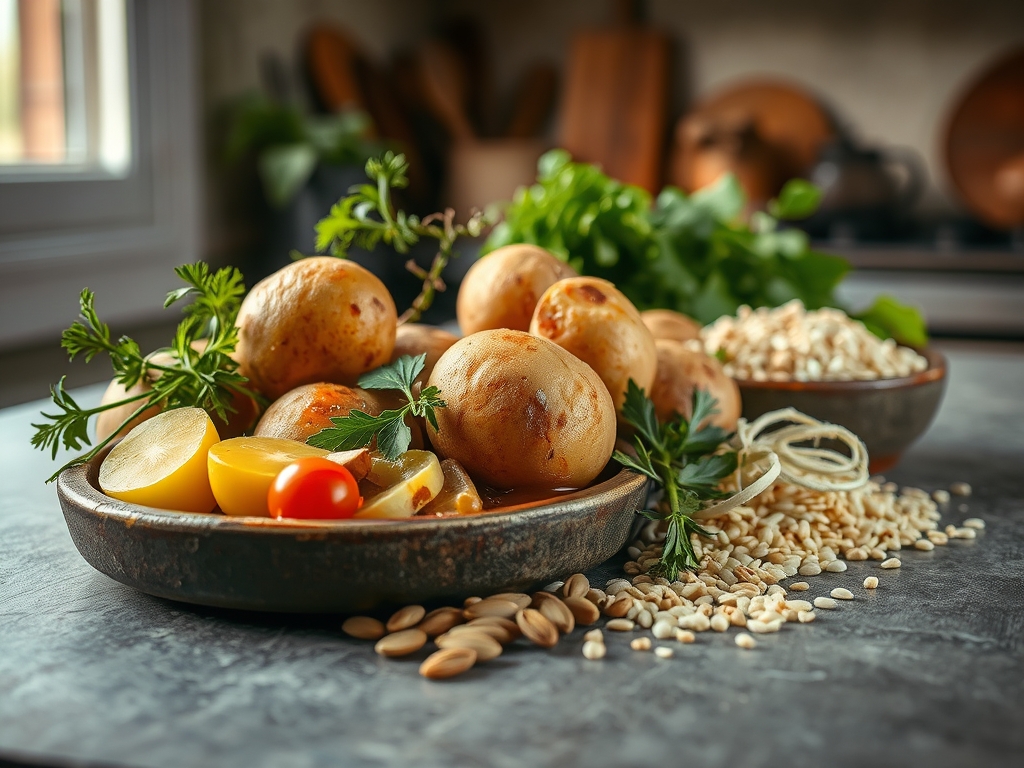
Before we ignite the burner, we must assemble our mise-en-place. For these easy potato recipes for dinner, your choice of potato is your primary variable. Russets are high-starch and low-moisture; they are the kings of fluffiness because their cells separate easily when cooked. Yukon Golds are the middle ground, offering a buttery, waxier texture that holds its shape under pressure. You will also need high-quality fats like clarified butter or extra virgin olive oil to facilitate heat transfer.
Your toolkit should include a heavy-bottomed skillet for even heat distribution and a microplane for grating fresh aromatics like garlic or zest. A bench scraper is invaluable for moving large quantities of chopped tubers from the board to the pan without losing a single cube.
Smart Substitutions:
If you are out of fresh garlic, use a high-quality garlic oil to infuse the dish with flavor without the risk of burning the solids. If you lack heavy cream for a mash, a splash of starchy pasta water and a knob of cold butter can create a surprisingly viscous and glossy sauce through emulsification.
The Clock
Efficiency in the kitchen is about the Chef's Flow. This means stacking your tasks so that the longest processes happen while you are active elsewhere. Most of these recipes require 10 to 15 minutes of active prep and 20 to 35 minutes of roasting or simmering.
Start by preheating your oven or boiling your water first. While the thermal energy builds, you can handle your knife work. By the time your digital scale confirms your portions, the environment is ready for the food. This "parallel processing" ensures that you are never standing around waiting for a pot to boil, cutting your total kitchen time by nearly thirty percent.
The Masterclass
1. The Crispy Smash
Boil baby Yukons until fork-tender, then use a heavy glass or a meat tenderizer to flatten them on a baking sheet. Drizzle with olive oil and roast at 425 degrees Fahrenheit until the edges are jagged and golden.
Pro Tip: This relies on the Maillard reaction, a chemical reaction between amino acids and reducing sugars that gives browned food its distinctive flavor. Drying the surface of the potato with a lint-free towel before roasting accelerates this process by removing excess moisture that would otherwise cause steaming.
2. The One-Pan Sheet Supper
Toss diced potatoes, chicken thighs, and bell peppers in a bowl with smoked paprika and oregano. Spread them in a single layer on a rimmed baking sheet.
Pro Tip: Pay attention to thermal carryover. Remove the tray when the potatoes are just slightly resistant to a knife; the internal heat will continue to cook the starch for several minutes after it leaves the oven, preventing a mushy texture.
3. The Velvety Saucier Mash
Peel and cube Russets, then simmer in salted water. Once drained, pass them through a ricer into a saucier and fold in cold, cubed butter and warm cream.
Pro Tip: Never use a food processor for mashed potatoes. The high-speed blades tear the starch granules, releasing too much amylose and turning your dinner into a viscous, gluey mess. A ricer or food mill keeps the starch molecules intact for a light, airy finish.
4. The Skillet Hash
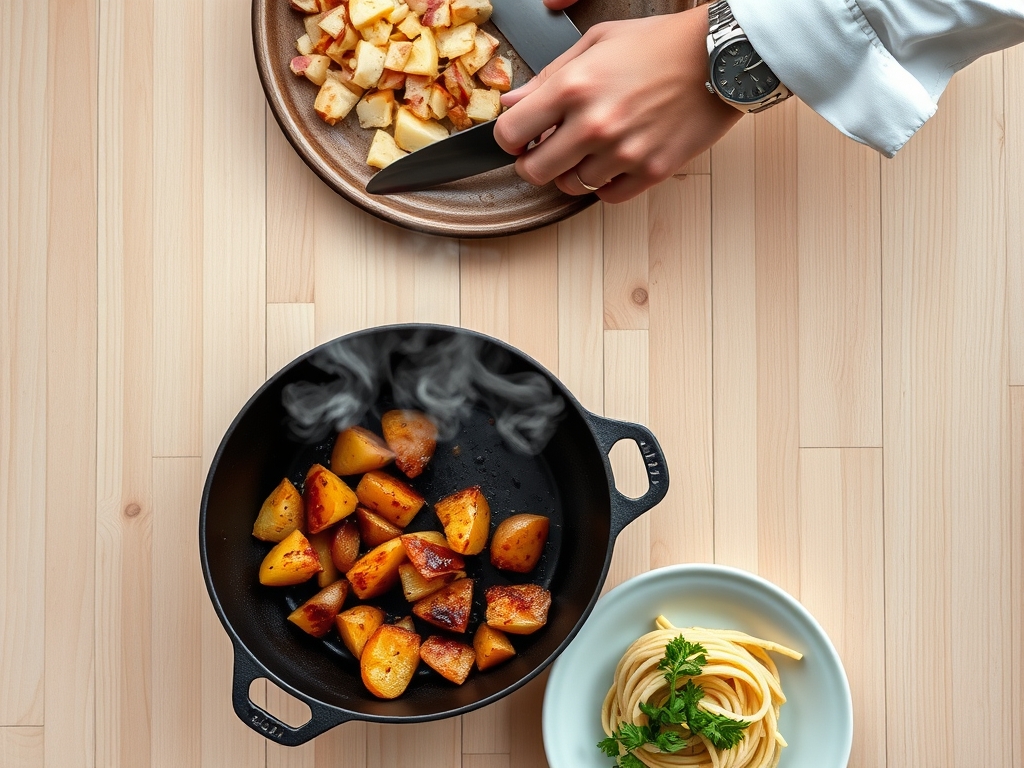
Render the fat from pancetta or bacon in a heavy-bottomed skillet, then add small-cubed potatoes. Let them sit undisturbed for five minutes to develop a crust before flipping.
Pro Tip: This technique uses conduction to create a uniform sear. Moving the potatoes too early prevents the crust from releasing naturally from the pan surface, leading to sticking and tearing.
5. The Lemon-Garlic Roast
Quarter red potatoes and toss them with lemon juice, zest, and smashed garlic cloves. The acidity of the lemon cuts through the density of the starch.
Pro Tip: Acid can actually slow down the breakdown of pectin in the cell walls. If you want a softer interior, add the lemon juice halfway through the roasting process rather than at the beginning.
The Deep Dive
From a macro nutrition perspective, potatoes are a powerhouse of potassium and complex carbohydrates. They provide sustained energy without the "crash" associated with simple sugars. To keep these easy potato recipes for dinner balanced, always pair your starch with a high-quality protein and a fibrous green vegetable.
Dietary Swaps:
- Vegan: Replace butter with avocado oil or a high-quality cashew cream to maintain that luxurious mouthfeel.
- Keto: While potatoes are high-carb, you can swap half the potato volume for cauliflower florets to reduce the net carb count while keeping the "comfort food" vibe.
- GF: Potatoes are naturally gluten-free, but ensure your spice blends do not contain hidden anti-caking agents derived from wheat.
The Fix-It:
- Soggy Potatoes: Your pan was likely overcrowded. Steam gets trapped between the pieces. Fix: Spread them out over two pans to allow for proper air circulation.
- Burnt Garlic: You added the aromatics too early. Fix: Add minced garlic in the last three minutes of cooking to infuse the oil without carbonizing the solids.
- Grey Mash: This is caused by enzymatic browning. Fix: Keep peeled potatoes submerged in cold water until you are ready to boil them to prevent oxygen from reacting with the enzymes.
Meal Prep: To reheat potatoes while maintaining "day-one" quality, avoid the microwave. Use an air fryer or a hot skillet to re-crisp the exterior. The microwave vibrates water molecules, which can make the starch feel rubbery.
The Wrap-Up
You are now officially armed with the technical prowess to turn a simple root vegetable into a weeknight masterpiece. Remember that great cooking is not about complex ingredients; it is about mastering the physics of heat and the chemistry of flavor. Use your tongs with confidence, trust your digital scale, and do not be afraid to let those potatoes get a little extra color in the pan. Your kitchen is your laboratory, and tonight, the results are going to be delicious.
The Kitchen Table
Why are my roasted potatoes never crispy?
You likely skipped the drying phase. Excess surface moisture creates steam, which prevents the Maillard reaction. Always pat your potatoes dry with a clean towel and ensure the oven is fully preheated to at least 400 degrees Fahrenheit before roasting.
Which potato is best for soup?
Yukon Golds are the superior choice for soups. Their medium starch content allows them to hold their shape during long simmering periods while still releasing enough starch to naturally thicken the liquid into a viscous, creamy base.
Can I prep potatoes the night before?
Yes. Peel and cut your potatoes, then submerge them completely in a bowl of cold water stored in the refrigerator. This prevents enzymatic browning and keeps the starch fresh for up to twenty-four hours before cooking.
How do I fix salty mashed potatoes?
Do not add water. Instead, fold in more unseasoned mashed potatoes or a dollop of unsalted sour cream. The added volume and fat will dilute the sodium concentration and balance the piquant flavor profile without ruining the texture.