
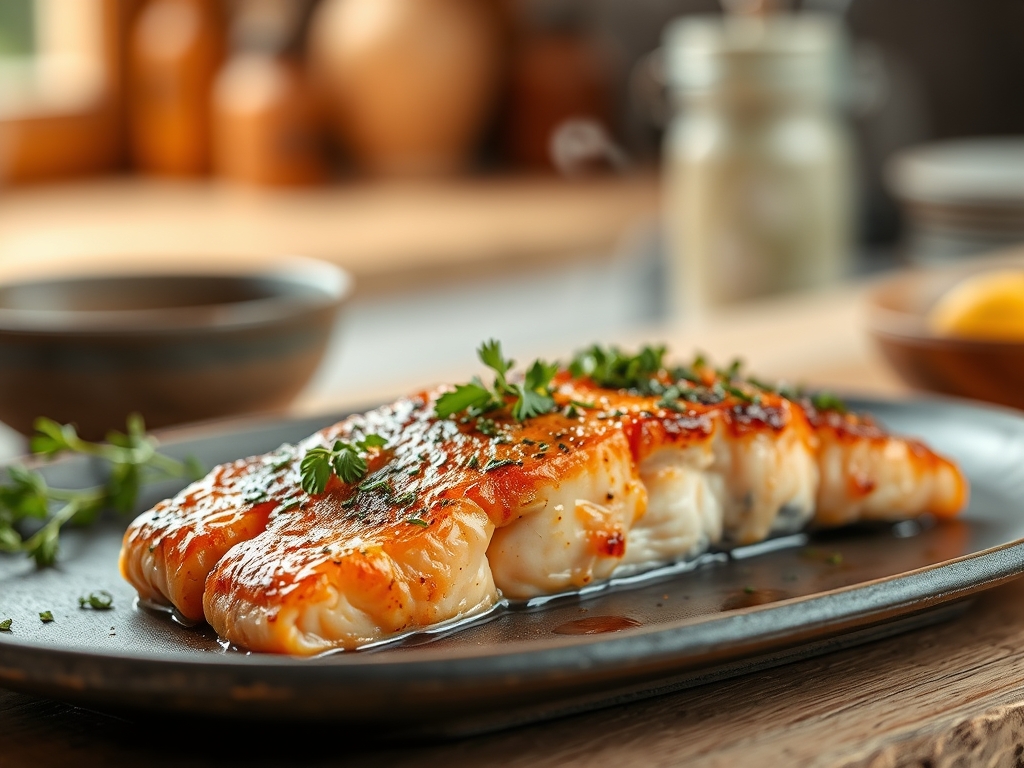
Imagine a kitchen where the frantic "what is for dinner" panic simply ceases to exist. You are staring at a solid, icy block of pink protein, yet within fifteen minutes, you are flaking off buttery, translucent shards of perfection. This is the magic of air fryer frozen salmon recipes. We are bypassing the sluggish overnight thaw and moving straight to high-velocity convection heat. The result is a fillet that boasts a crackling, caramelized exterior while the interior remains succulent and lush. It is not just a convenience; it is a culinary triumph of thermodynamics. We are going to harness the power of rapid air circulation to transform frozen fillets into a restaurant-quality centerpiece. Forget the rubbery, overcooked disasters of the past. Today, we are mastering the art of the frozen-to-flaky transition with scientific precision and a little bit of kitchen swagger.
The Gathers:
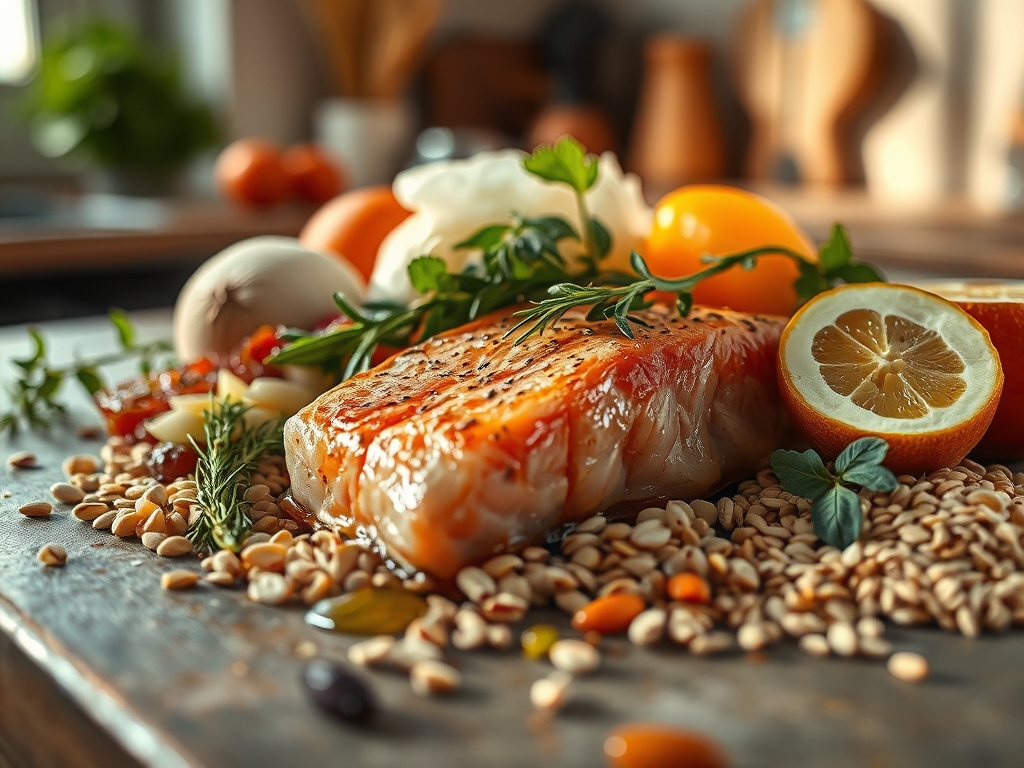
To execute these air fryer frozen salmon recipes, your mise-en-place must be intentional. We start with high-quality frozen sockeye or Atlantic salmon fillets, ideally vacuum-sealed to prevent ice crystal formation that degrades the cellular structure. You will need a viscous fat source; extra virgin olive oil or melted ghee works best to provide a substrate for seasonings to adhere to the frozen surface. For the flavor profile, gather piquant elements like Meyer lemon zest, flaky sea salt, and freshly cracked peppercorns. A microplane is essential here for aerating the citrus zest and garlic, ensuring they integrate into the oil rather than burning in the high-heat environment.
Smart Substitutions:
If you are out of olive oil, avocado oil is a brilliant swap due to its high smoke point. If you lack fresh lemons, a splash of rice vinegar provides that necessary acidity to cut through the fatty acids of the fish. For those avoiding sodium, a dusting of nutritional yeast adds a savory, nutty depth that mimics the umami of a hard cheese. Always use a digital scale if you are portioning bulk fillets to ensure uniform cooking times across the basket.
The Clock: Precision Timing
The "Chef's Flow" for air fryer frozen salmon recipes is divided into two distinct phases: the Tempering Blast and the Finishing Sear. Total active prep time is a mere three minutes. The cooking duration typically spans 12 to 15 minutes depending on the thickness of the fillet. You spend the first 5 minutes at a lower temperature to gently defrost the exterior, followed by a 7 to 10-minute high-heat interval to render the fats and achieve the Maillard reaction. This flow allows you to prepare a side salad or steam some asparagus in the interim, ensuring the entire meal hits the table simultaneously.
The Masterclass:
1. The Initial Tempering Phase
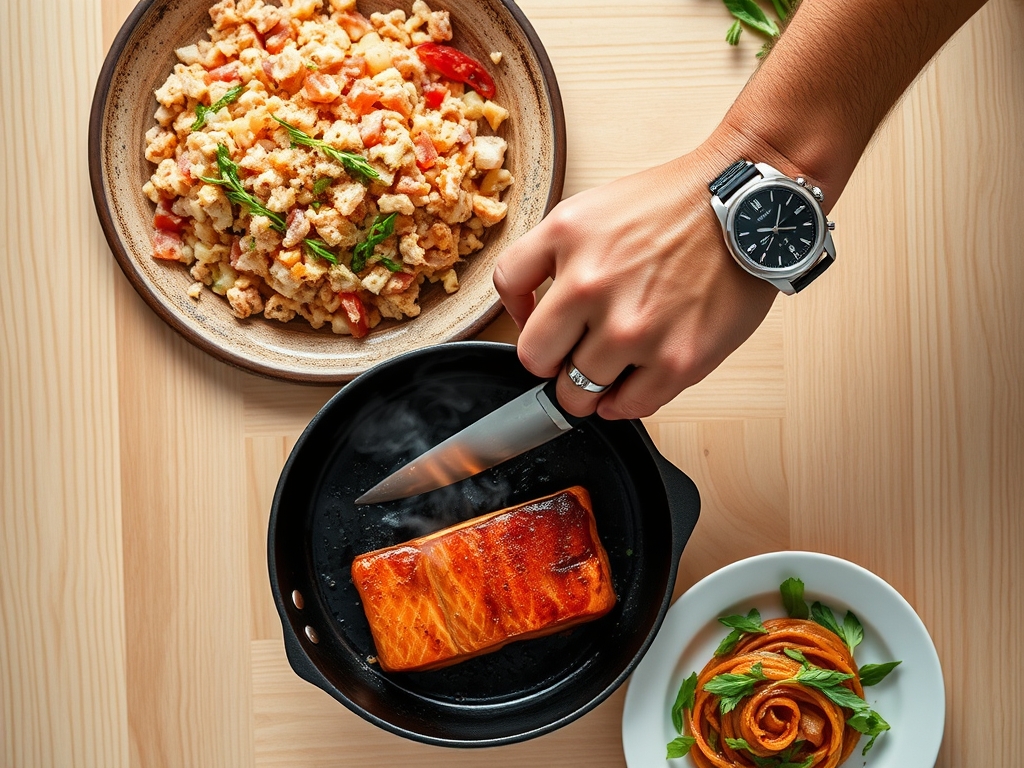
Place the frozen fillets directly into the air fryer basket, skin-side down. Set the temperature to 350 degrees Fahrenheit for five minutes. This step is not about cooking; it is about surface moisture removal. Use your tongs to ensure the fillets are not touching, allowing for maximum airflow.
Pro Tip: This phase initiates "latent heat of fusion." By slowly raising the surface temperature, we prevent the exterior from becoming tough before the icy center has a chance to soften.
2. The Oil Infusion
Once the five-minute mark hits, pause the machine. The salmon surface will now be tacky. Brush a generous layer of your oil and seasoning mixture over the top. This is the moment to use your microplane to grate fresh ginger or garlic directly onto the warm surface.
Pro Tip: Applying oil to a slightly warmed surface creates a better emulsion. The heat reduces the oil's viscosity, allowing it to penetrate the micro-fissures of the fish for deeper flavor.
3. The High-Heat Finish
Increase the temperature to 400 degrees Fahrenheit. Slide the basket back in for another 7 to 9 minutes. This is where the magic happens. The circulating air will render the subcutaneous fat, basting the fish from the inside out.
Pro Tip: This stage triggers the Maillard reaction. This chemical reaction between amino acids and reducing sugars creates that golden-brown crust and complex, savory aroma.
4. The Rest and Carryover
Remove the fillets when the internal temperature hits 130 degrees Fahrenheit. Place them on a warm plate and tent loosely with foil for three minutes. Do not skip this; the heat needs time to redistribute.
Pro Tip: This utilizes thermal carryover. The internal temperature will rise by 5 degrees while resting, ensuring the center reaches a safe 135 degrees without drying out the edges.
The Deep Dive:
Macro Nutrition
Salmon is a nutritional powerhouse. A standard 6-ounce fillet provides roughly 34 grams of high-quality protein and is rich in Omega-3 fatty acids, which are essential for brain health. Because we are using the air fryer, we minimize the need for excess butter, keeping the saturated fat content low while maintaining a high satiety index.
Dietary Swaps
- Vegan: While this recipe focuses on salmon, the same air fryer technique works for thick slabs of firm tofu or "watermelon steaks." Use liquid smoke to mimic the fatty richness of the fish.
- Keto: This recipe is naturally keto-compliant. Increase the healthy fats by serving with a side of homemade hollandaise whisked in a saucier.
- Gluten-Free: Ensure your spice blends are certified GF. Use tamari instead of soy sauce if you are making a glaze.
The Fix-It: Common Pitfalls
- The White Gunk (Albumin): If you see white liquid seeping out, you are cooking it too fast or too long. Fix: Lower the temperature by 15 degrees next time. It is just coagulated protein, and it is safe to eat, but it indicates overcooking.
- Soggy Skin: The skin needs direct contact with heat. Fix: Ensure the basket is preheated and never crowd the fillets. Use a bench scraper to clean the basket between batches to maintain airflow.
- Uneven Cooking: This happens with tail pieces versus center cuts. Fix: Tuck the thin tail underneath itself to create a uniform thickness across the fillet.
Meal Prep: Reheating Science
To reheat salmon without it smelling like a pier, use the air fryer at 300 degrees for 3 to 4 minutes. Adding a teaspoon of water to the bottom of the air fryer drawer creates a small amount of steam, which prevents the protein fibers from tightening and becoming "fishy" or dry. This preserves "day-one" quality effectively.
The Wrap-Up:
Mastering air fryer frozen salmon recipes is like having a culinary superpower in your back pocket. It turns a "nothing in the fridge" night into a sophisticated, nutrient-dense feast. By understanding the science of thermal carryover and the importance of the Maillard reaction, you are no longer just following a recipe; you are controlling the molecular transformation of your food. Grab your tongs, fire up that convection fan, and enjoy the most effortless, flaky salmon of your life. You have got this, chef!
The Kitchen Table:
Can you put frozen salmon directly in the air fryer?
Yes, you can cook frozen salmon directly in the air fryer. Start with a five-minute "defrost" blast at 350 degrees to soften the surface before seasoning and finishing at a higher heat for a crispy exterior.
How do I keep salmon from sticking to the basket?
To prevent sticking, lightly coat the basket with a high-smoke-point oil or use a perforated parchment paper liner. Ensure the salmon skin is patted dry before the final high-heat cooking phase to encourage release.
What is the best temperature for frozen salmon?
The ideal method uses a dual-temp approach. Start at 350 degrees Fahrenheit to thaw the ice crystals, then increase to 400 degrees Fahrenheit to render the fat and create a golden, caramelized crust on the outside.
How do I know when the salmon is done?
The most reliable method is using a digital thermometer. Aim for an internal temperature of 130 degrees Fahrenheit. After a three-minute rest, the carryover heat will bring it to a perfect, flaky 135 degrees.