
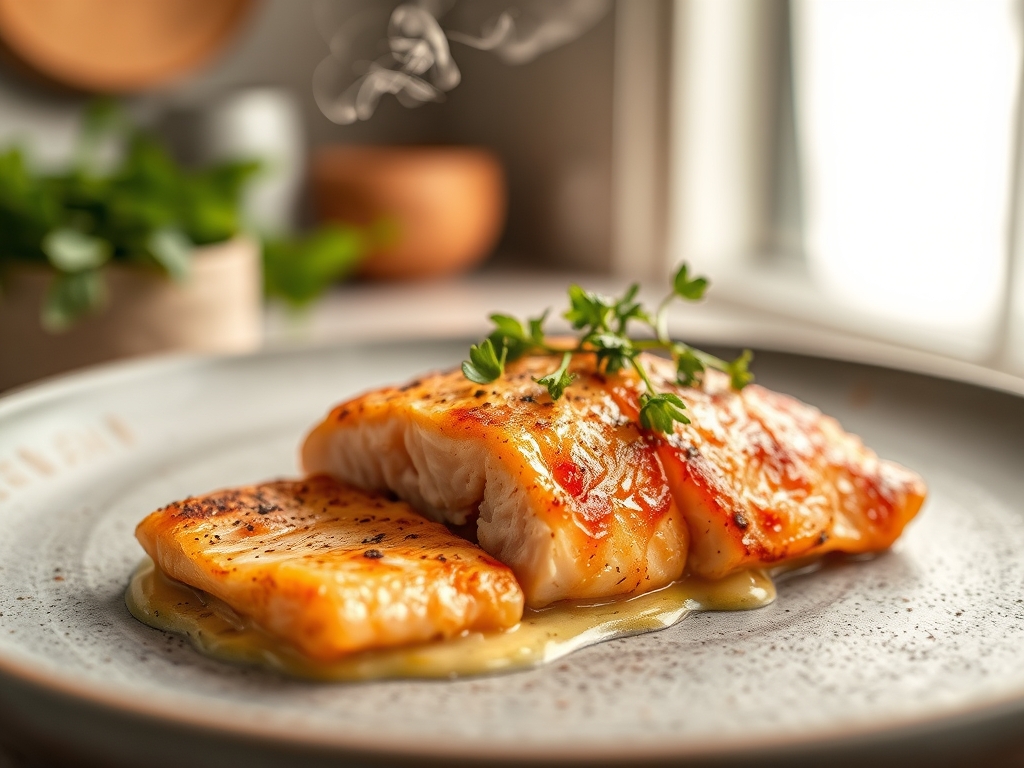
Imagine the scent of cold-smoked Atlantic fillets meeting the lactic tang of a freshly opened silver foil brick. It is the ultimate brunch alchemy. When you dive into the world of philadelphia cream cheese salmon recipes, you are not just making a snack; you are engineering a balance between heavy lipids and sharp, saline proteins. The silkiness of the cheese acts as a thermal buffer for the delicate fish, ensuring every bite is a masterclass in texture. Whether you are whipping up a classic schmear or folding these ingredients into a high-heat pasta, the goal is always the same: achieving that perfect, velvety mouthfeel that only happens when high-fat dairy meets omega-3 richness.
We are going to move beyond the basic bagel. Today, we are looking at eight distinct variations of this pairing, from crispy crostini to sophisticated stuffed fillets. We will use a heavy-bottomed skillet to achieve the perfect sear and a microplane to zest aromatics directly into our cream cheese base. This is about elevating a pantry staple into a gourmet experience using a few smart techniques and a lot of culinary curiosity. Get your apron on; we are about to get scientific with our snacks.
The Gathers:
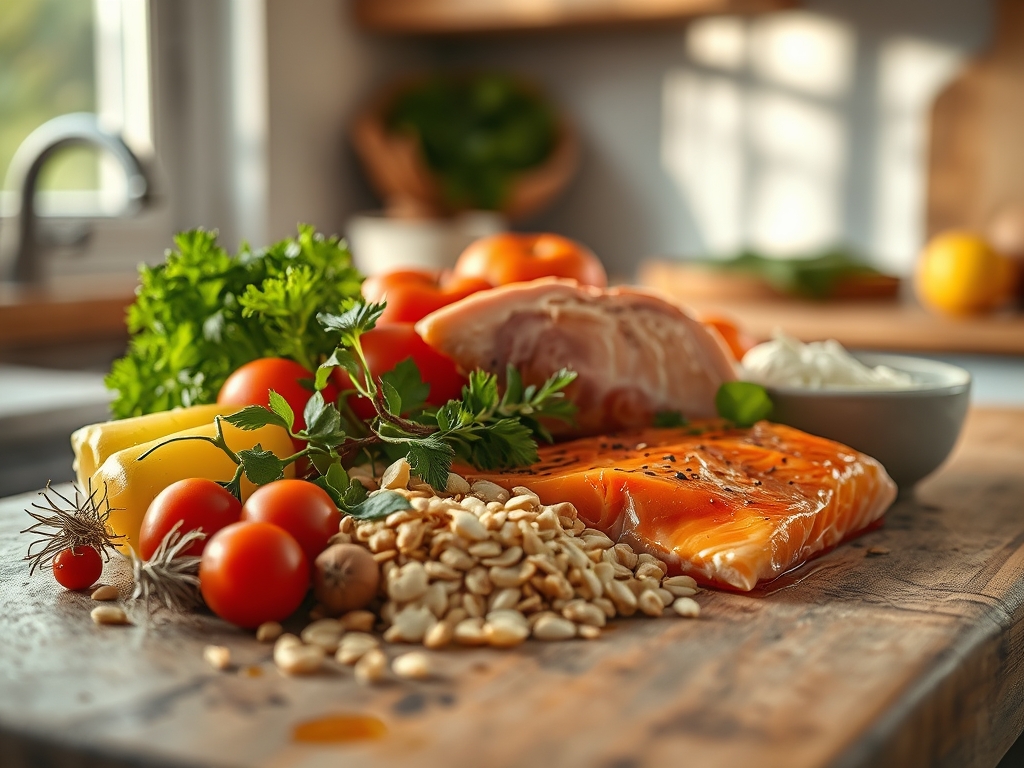
To execute these philadelphia cream cheese salmon recipes with precision, your mise-en-place must be immaculate. Start with your dairy. You want full-fat Philadelphia cream cheese at room temperature to ensure it can aerate properly when whipped. For the salmon, look for sustainably sourced Coho or Sockeye if you want a leaner, more piquant profile, or King salmon if you crave a higher fat content that melts at body temperature.
Your secondary ingredients are the "brighteners." You will need fresh dill, which contains carvone for that signature herbal punch, and capers for a burst of acetic acidity. Grab a bag of lemons; the citric acid is essential for denaturing the fish proteins if you are opting for a "crudo" style or simply cutting through the heavy fats of the cheese.
Smart Substitutions:
If you are looking to lighten the caloric density, swap half of the cream cheese for Greek yogurt. The increased moisture content creates a more viscous sauce that is perfect for pasta. If you are avoiding gluten, swap the traditional bagel for sliced cucumber rounds or toasted sweet potato planks. For a vegan twist, use a cashew-based cultured spread and "carrot lox" cured in liquid smoke and sea salt to mimic the savory depth of the original.
The Clock: Chef's Flow
Efficiency in the kitchen is all about the "Chef's Flow." For these recipes, expect a Prep Time of 15 minutes and a Cook Time of 12 minutes if you are heat-treating the salmon. If you are serving it raw or cold-smoked, your total time to table is under 20 minutes.
The secret to a smooth service is preparing your "spread" first. By whipping the cream cheese and aromatics early, you allow the volatile oils in the herbs to infuse into the fat molecules of the dairy. While those flavors marry, you can focus on the technical aspects of the salmon, whether that is a precision sear or a delicate dice for tartare.
The Masterclass:
1. Tempering the Base
Begin by placing your cream cheese in a bowl and using a silicone spatula to soften it. If it is too cold, the fats will remain crystalline and won't spread evenly. Use a digital scale to measure out 8 ounces for every 4 ounces of salmon to maintain the golden ratio of dairy to protein.
Pro Tip: This is about molecular plasticity. Room-temperature fats are more malleable, allowing you to fold in air. This aeration creates a lighter density that prevents the dish from feeling "cloying" on the palate.
2. The Zest and Acid Infusion
Use a microplane to shave lemon zest directly over the cream cheese. The friction of the blades ruptures the oil sacs in the peel, releasing limonene. Follow this with a teaspoon of fresh lemon juice.
Pro Tip: Citric acid acts as a surfactant. It helps break down the long-chain fats in the cream cheese, making the texture feel cleaner and less heavy as it hits your tongue.
3. Preparing the Salmon
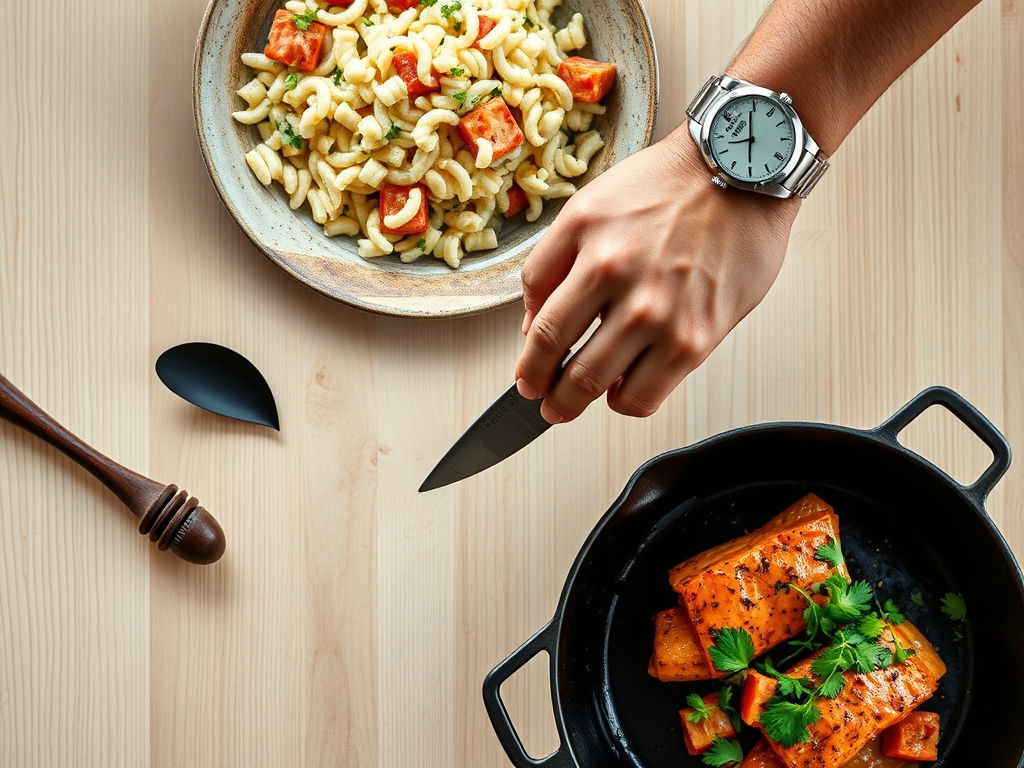
If using fresh fillets, pat them bone-dry with a paper towel. Moisture is the enemy of the Maillard reaction. If using smoked salmon, use a sharp chef's knife to slice against the grain into translucent ribbons.
Pro Tip: Slicing against the grain shortens the muscle fibers. This makes the fish feel more tender and allows it to integrate seamlessly with the soft texture of the cheese.
4. The Sear (For Hot Variations)
Heat a heavy-bottomed skillet over medium-high heat. Add a high-smoke-point oil like avocado oil. Place the salmon skin-side down and press firmly with a flexible fish spatula.
Pro Tip: This prevents the skin from curling due to protein contraction. A flat surface ensures even heat distribution and a perfectly crispy, "glass-like" skin texture.
5. Deglazing and Emulsifying
If you are making a salmon cream sauce, remove the fish and add a splash of white wine to the hot pan. Use a whisk to scrape up the "fond" (the brown bits). Stir in the cream cheese until it melts into a smooth sauce.
Pro Tip: This is emulsification. The wine provides a liquid base, while the stabilizers in the Philadelphia cream cheese help bind the fats and liquids into a cohesive, non-breaking sauce.
6. Folding and Finishing
Fold your salmon pieces or ribbons into the whipped cheese. Do not over-mix; you want distinct "marbling" rather than a homogenous pink paste. Add your fresh dill and cracked black pepper at the very last second.
Pro Tip: Adding herbs at the end prevents enzymatic browning. Heat and acid can turn fresh dill gray; adding it last preserves the vibrant chlorophyll and the sharp, fresh flavor profile.
The Deep Dive:
From a nutritional standpoint, these philadelphia cream cheese salmon recipes are a powerhouse of healthy fats. You are getting a massive dose of Vitamin D and B12 from the salmon, paired with the calcium and Vitamin A found in the dairy. For those on a Keto diet, this is a dream meal; it is naturally high-fat and low-carb. If you are following a Gluten-Free protocol, simply ensure your accompaniments are grain-free.
The Fix-It: Common Pitfalls
- The Sauce Broke: If your cream cheese sauce looks grainy, it has overheated. Fix it by adding a tablespoon of cold heavy cream and whisking vigorously off the heat to lower the temperature.
- The Salmon is Dry: This is usually due to thermal carryover. Remove salmon from the heat when it is 5 degrees below your target temperature; the internal energy will finish the job.
- The Spread is Bland: You likely missed the salt. Smoked salmon is salty, but cream cheese is neutral. Add a pinch of flaky sea salt or a drop of Worcestershire sauce to provide an umami backbone.
Meal Prep and Reheating:
To maintain "day-one" quality, store the salmon and cream cheese separately if possible. If reheating a pasta dish, do it in a saucier over low heat. Add a splash of milk or water to re-hydrate the proteins. High heat in a microwave will cause the cream cheese to separate into oil and solids, ruining the texture.
The Wrap-Up:
Mastering philadelphia cream cheese salmon recipes is about more than just a quick lunch; it is about understanding how fat, acid, and salt interact to create something greater than the sum of its parts. By using professional tools like a microplane and a heavy-bottomed skillet, you have elevated a simple pairing into a culinary event. Go ahead and show off your new skills at your next brunch; your friends won't know what hit them!
The Kitchen Table:
Can I freeze cream cheese salmon dip?
Freezing is not recommended. The moisture in the cream cheese forms ice crystals that rupture the fat structure. Upon thawing, the dip will become "weepy" and grainy, losing its signature velvety mouthfeel and cohesive emulsion.
What is the best salmon for cream cheese recipes?
Cold-smoked Sockeye or Atlantic salmon is ideal for spreads. Its firm texture and high salt content provide a sharp contrast to the mild, creamy cheese. For cooked dishes, use fresh King salmon for its buttery, high-fat profile.
How do I prevent the cream cheese from clumping?
Always bring your Philadelphia cream cheese to room temperature before mixing. Using a whisk or a hand mixer to aerate the cheese before adding other ingredients ensures a smooth, lump-free consistency that spreads easily without tearing your bread.
How long does salmon cream cheese last in the fridge?
When stored in an airtight container, it will stay fresh for 2 to 3 days. Always check for any "off" odors or changes in color. Because of the high fat and moisture, it is highly susceptible to absorbing fridge odors.