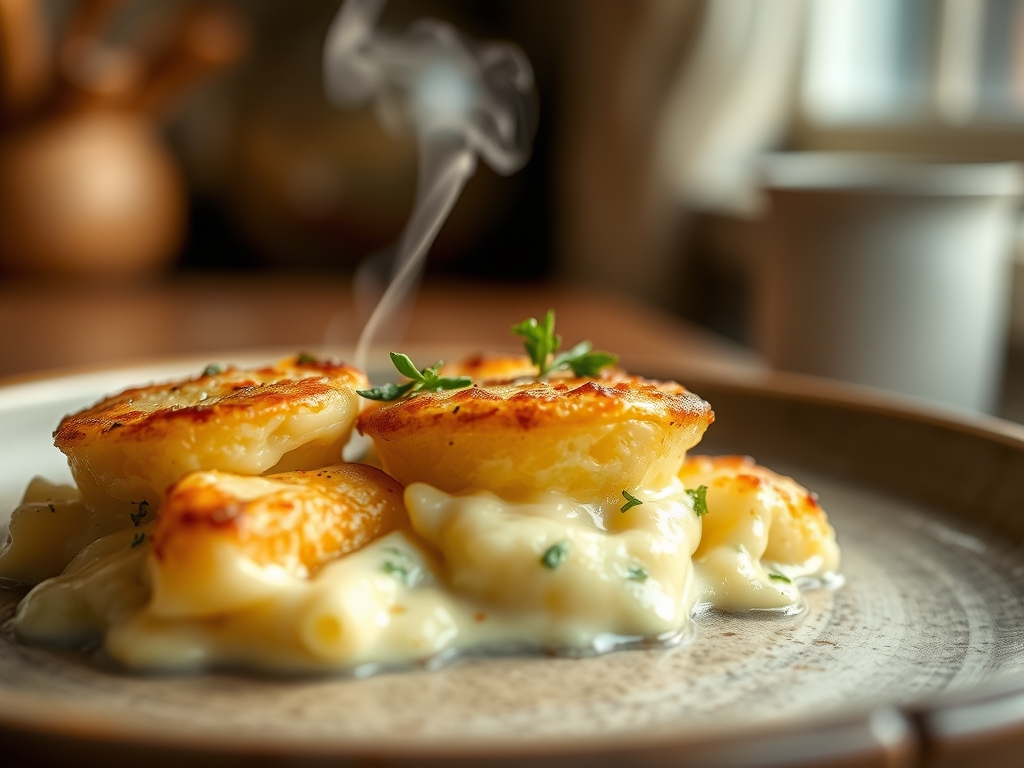
Imagine a kitchen draped in the scent of bubbling cream and nutmeg; it is the ultimate olfactory hug. When we talk about creamy scalloped potato recipes, we are not just discussing a side dish; we are discussing a structural masterpiece of starch and fat. There is a specific magic that happens when a mandoline-sliced Yukon Gold meets a simmering bechamel. The edges crisp into golden lace while the centers transform into a velvet custard. It is the kind of dish that demands a quiet moment of appreciation before the first forkful. You want that perfect ratio of bite to silkiness, where the sauce clings to the potato rather than pooling at the bottom of the dish. Achieving this requires more than just luck; it requires an understanding of how amylopectin reacts under heat. We are going to dive deep into the mechanics of the perfect gratin, ensuring your next Sunday roast or holiday spread features a potato dish that people will talk about for years.
The Gathers:
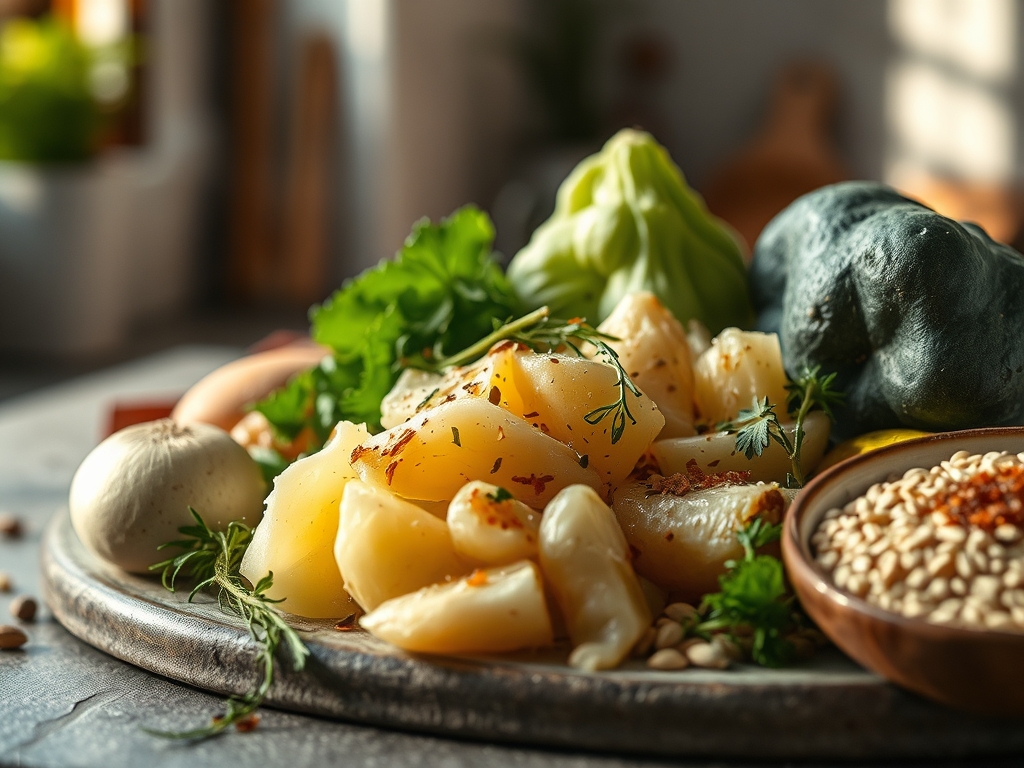
To execute these creamy scalloped potato recipes with precision, your mise-en-place must be impeccable. Start with high-starch tubers like Russets or waxy-leaning Yukon Golds. The starch content is vital because it acts as a natural thickener for your sauce. You will need high-quality heavy cream, which provides the viscous mouthfeel that lower-fat milks simply cannot replicate. For the aromatic base, gather fresh thyme, garlic cloves, and a whole nutmeg to grate fresh using a microplane. A pre-ground nutmeg lacks the volatile oils necessary for that piquant punch.
Smart Substitutions are your best friend in a pinch. If you find yourself without heavy cream, a mixture of whole milk and a touch of crème fraîche adds a delightful tang. For those seeking a deeper flavor profile, swap half the salt for miso paste to introduce a hit of umami. If you are out of Gruyere, a sharp white cheddar or even a nutty Fontina will provide the necessary melting properties. Always weigh your ingredients on a digital scale for consistency; volume measurements are notoriously unreliable when dealing with sliced vegetables.
The Clock:
The "Chef's Flow" is all about overlapping tasks to maximize efficiency. Expect about 30 minutes of active prep time, primarily focused on slicing and sauce reduction. The bake time is where the patience comes in; you are looking at 60 to 75 minutes in a 375 degree Fahrenheit oven.
While the potatoes are in their first 30-minute stint under foil, use that time to clean your bench scraper and prep your garnish. The final 15 minutes are dedicated to the uncovered "browning phase," where the Maillard reaction turns the surface into a shattered-glass crust. Allow for a 15-minute rest period post-bake. This is non-negotiable; it allows the starches to set and the sauce to thicken into its final, glorious state.
The Masterclass:
1. The Precision Slice
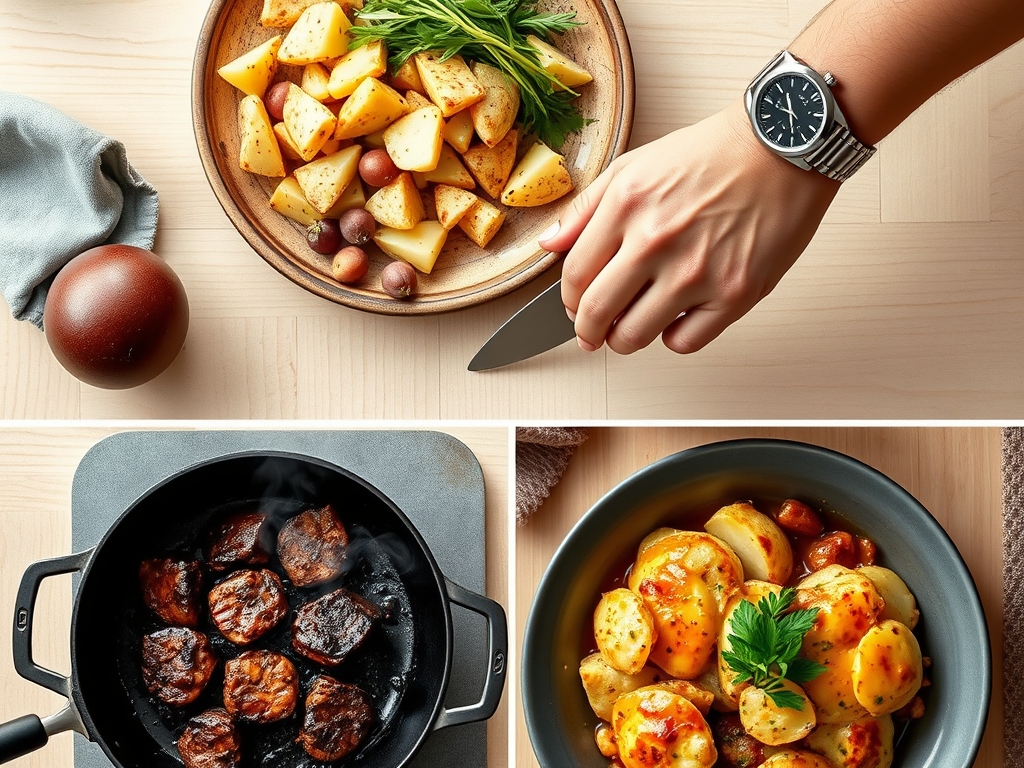
Using a mandoline or a very sharp chef's knife, slice your potatoes to a uniform 1/8th inch thickness. Consistency is key to ensuring every slice reaches the same level of tenderness simultaneously.
Pro Tip: Uniformity prevents "hot spots" and raw centers. This is due to thermal conductivity; thinner, equal slices allow heat to penetrate the stack at a predictable rate, ensuring the pectin in the cell walls breaks down evenly.
2. The Infusion Phase
In a saucier, combine your cream, smashed garlic, and herbs. Bring to a gentle simmer, never a boil, to infuse the fats with aromatic compounds.
Pro Tip: Simmering prevents the proteins in the dairy from denaturing too quickly. By keeping the temperature below 180 degrees Fahrenheit, you maintain an emulsion that won't "break" or become oily during the long bake.
3. The Shingle Technique
Layer the slices in a buttered baking dish, overlapping them like shingles on a roof. This creates small pockets where the sauce can settle and thicken.
Pro Tip: This layering maximizes surface area. Increased surface area allows more starch to leach into the cream, creating a self-thickening sauce through a process called starch gelatinization.
4. The First Bake
Cover the dish tightly with foil and bake. This creates a steam-rich environment that softens the potatoes without drying out the top layer.
Pro Tip: This stage relies on conductive heat. The foil traps moisture, preventing the evaporation of water from the cream, which ensures the potatoes hydrate and soften before the browning begins.
5. The Reveal and Sear
Remove the foil, sprinkle with your grated cheese, and return to the oven. Watch for the edges to bubble and the top to turn a deep mahogany.
Pro Tip: This is the Maillard reaction in action. The amino acids and reducing sugars in the cheese and cream react under high dry heat to create hundreds of different flavor compounds and that signature golden color.
The Deep Dive:
When we look at the macro nutrition of these creamy scalloped potato recipes, we are looking at a calorie-dense, high-carbohydrate comfort food. A standard serving contains roughly 350 calories, with a significant portion coming from fats and complex carbohydrates.
For Dietary Swaps, you can easily pivot. For a Vegan version, use full-fat coconut milk and nutritional yeast for that cheesy funk. For Keto enthusiasts, replace the potatoes with sliced daikon radish or cauliflower florets; the sauce remains the same. If you are Gluten-Free, you are already in luck; these recipes naturally rely on potato starch rather than a flour-based roux.
The "Fix-It" guide for common pitfalls:
- Curdled Sauce: This usually happens if the heat was too high or the cream was too old. Fix it by folding in a tablespoon of warm heavy cream before serving to re-emulsify.
- Crunchy Potatoes: You likely sliced them too thick or didn't bake long enough. Cover with foil and add 15 minutes of bake time with a splash of broth.
- Greasy Top: This happens when using low-quality pre-shredded cheese. Blot gently with a paper towel and finish with a sprinkle of fresh parmesan to absorb excess oil.
For Meal Prep, reheating is a science. Avoid the microwave, which turns potatoes into rubber. Instead, use a toaster oven at 325 degrees Fahrenheit with a teaspoon of milk splashed over the top to restore the moisture levels to "day-one" quality.
The Wrap-Up:
Mastering creamy scalloped potato recipes is a rite of passage for any home cook looking to elevate their repertoire. It is a dish that balances technical precision with soulful, rustic comfort. By understanding the chemistry of starch and the physics of heat, you transform humble root vegetables into a luxury experience. Grab your saucier, find the best potatoes in the bin, and get ready to create a masterpiece that will have your guests scraping the bottom of the dish.
The Kitchen Table:
Which potatoes are best for scalloped recipes?
Yukon Golds are the gold standard. They possess a medium starch content that holds its shape while releasing enough amylopectin to thicken the cream into a luxurious, velvet sauce without becoming grainy or falling apart.
Why did my scalloped potatoes turn out watery?
This usually occurs if the potatoes were soaked in water and not dried properly. Excess moisture dilutes the cream. Always pat your slices dry with a lint-free towel to ensure the sauce stays thick and viscous.
Can I make scalloped potatoes ahead of time?
Yes. Par-bake the dish for 40 minutes, cool completely, and refrigerate. When ready to serve, add the cheese and finish the final 30 minutes of baking. This allows the flavors to meld and deepen significantly.
How do I prevent the cream from curdling?
Avoid using low-fat milk or "half and half" which lacks the stability of heavy cream. Additionally, ensure you do not add highly acidic ingredients early in the cooking process, as acid destabilizes dairy proteins under high heat.