
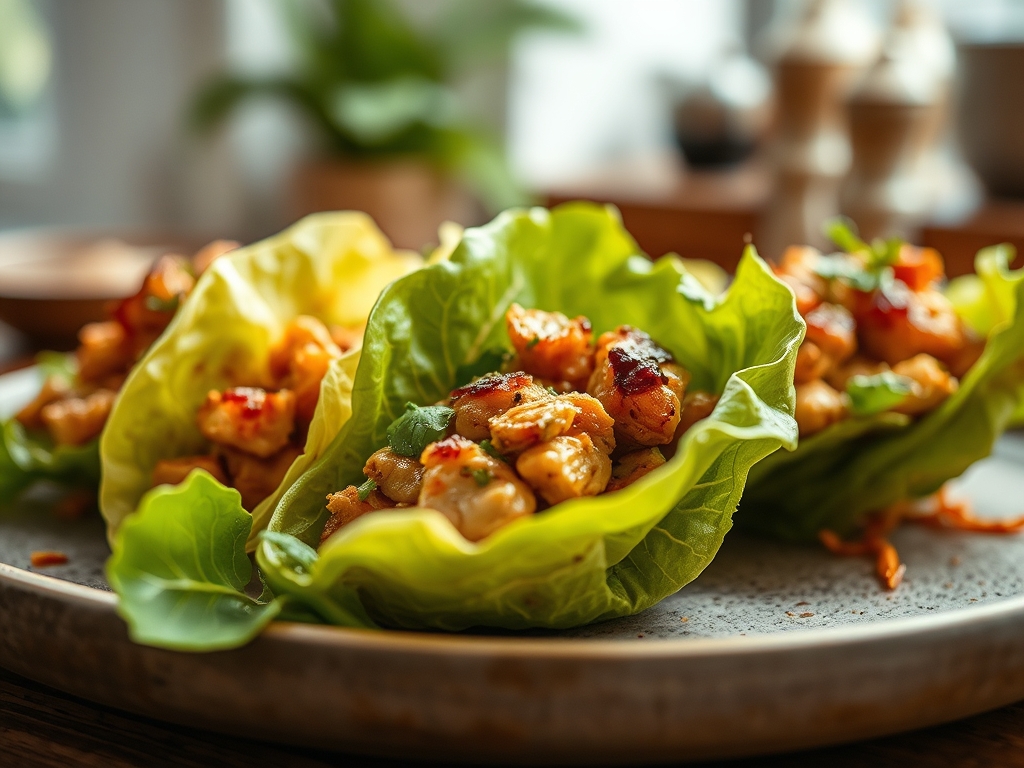
The sharp crack of romaine spines snapping open, the whisper of sesame oil hitting a screaming-hot wok, the way ground chicken browns in glossy, caramelized shards rather than steaming into gray clumps. These are the sensory markers that separate exceptional lettuce wrap chicken recipes from the soggy, underseasoned versions cluttering meal-prep feeds. You are about to learn six variations that honor the textural contrast and flavor layering this dish demands, each calibrated for different palates and macronutrient targets. Forget limp leaves and bland protein. We are building umami-rich fillings with proper Maillard development, structured crunch, and enough aromatic complexity that each bite registers as a complete flavor event. Whether you need a 20-minute weeknight solution or a weekend project with homemade ferments, these lettuce wrap chicken recipes deliver restaurant-grade results with home-kitchen practicality.
The Gathers
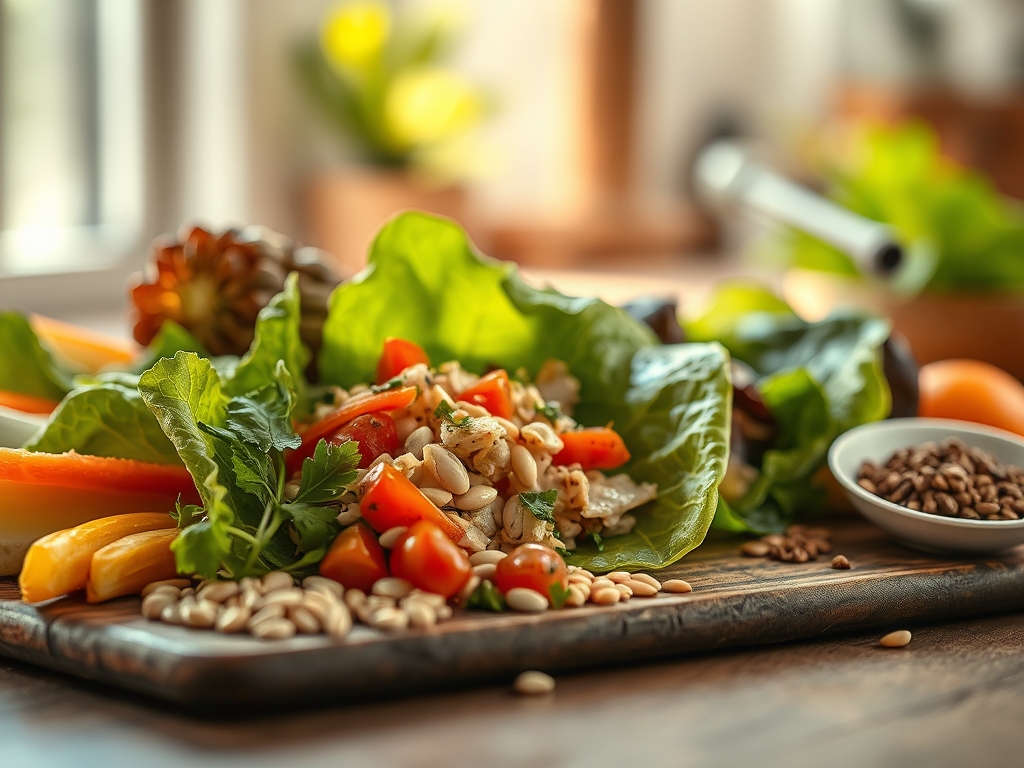
As you see in the ingredient spread below, the foundation begins with 1 lb ground chicken thigh (not breast, which dries out), 2 heads of butter lettuce or romaine hearts, and the aromatic trinity of 4 cloves minced garlic, 2 tablespoons fresh ginger, and 3 scallions (whites and greens separated). The sauce base requires 3 tablespoons tamari or soy sauce, 1 tablespoon hoisin, 2 teaspoons rice vinegar, and 1 teaspoon toasted sesame oil. For texture contrast, gather 1/2 cup diced water chestnuts, 1/4 cup chopped roasted peanuts, and 1 small carrot julienned into matchsticks. Fresh cilantro and lime wedges are non-negotiable garnishes. Notice the layering: umami from tamari and hoisin, brightness from vinegar and lime, fat from sesame oil, crunch from vegetables and nuts. Each component has a defined role.
Smart Substitutions: Swap ground chicken for turkey (leaner, slightly drier) or pork (richer, more fat). Replace hoisin with a 1:1 blend of soy sauce and honey if avoiding wheat. Use jicama instead of water chestnuts for a sweeter crunch. Cashews or almonds work if peanuts are off the table. Coconut aminos replace tamari for soy-free diets without sacrificing depth.
The Clock
Prep Time: 15 minutes (vegetable chopping, sauce mixing, lettuce separation and washing).
Cook Time: 10 minutes (high-heat sear, aromatics bloom, sauce reduction).
Total Time: 25 minutes from fridge to plate.
Chef's Flow: While your wok or large skillet preheats over high heat (5 minutes to reach 400°F+), complete all your knife work. Separate lettuce leaves and submerge them in ice water to crisp cell walls through osmotic pressure. Mix your sauce components in a small bowl so they hit the pan as a unified liquid, preventing uneven reduction. This parallel workflow turns a 40-minute task into a 25-minute sprint. Thermal momentum is everything. A cold pan equals steamed meat; a ripping-hot surface equals the caramelization that defines these lettuce wrap chicken recipes.
The Masterclass
Step 1: Sear the Protein
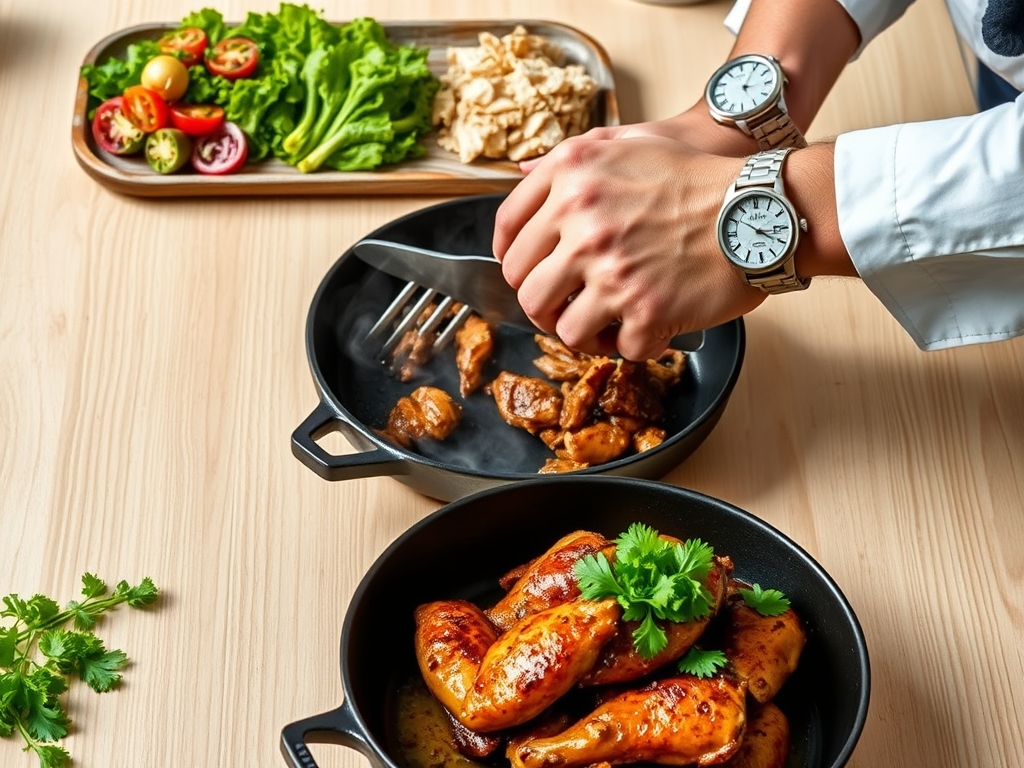
Add 1 tablespoon neutral oil (grapeseed or avocado) to your screaming-hot wok. Introduce ground chicken in a single layer, pressing it flat with a spatula. Do not stir for 90 seconds. Let the Maillard reaction develop that mahogany crust visible in the step-by-step photos.
Chef's Secret: Ground meat needs uninterrupted contact with the pan surface to brown. Premature stirring releases moisture, dropping the temperature below the 300°F threshold required for browning. Break into chunks only after the first crust forms.
Step 2: Build the Aromatic Base
Push the browned chicken to the pan's edges, creating a well in the center. Add another teaspoon of oil, then garlic, ginger, and scallion whites. Stir for 20 seconds until fragrant but not scorched.
Why It Works: Aromatics need fat and high heat to release volatile compounds. Introducing them to raw meat dilutes their impact. This two-stage method maximizes flavor extraction without burning delicate garlic sugars.
Step 3: Integrate Vegetables and Sauce
Fold in water chestnuts and carrots, toss for 30 seconds, then pour in your pre-mixed sauce. Stir constantly as the liquid reduces to a glaze, about 2 minutes. The sauce should cling to the meat, not pool in the pan.
Chef's Secret: Hoisin contains sugar; prolonged high heat turns it bitter. Add sauce late in the process and keep the protein moving to prevent hot spots. The goal is a glossy, thickened coating, not a burnt lacquer.
Step 4: Finish and Assemble
Kill the heat. Stir in scallion greens, half the peanuts, and half the cilantro. Taste and adjust with lime juice or extra tamari. Spoon filling into chilled, dried lettuce cups, garnish with remaining nuts and herbs.
Why It Works: Residual pan heat wilts the greens just enough without cooking them into slime. Fresh herbs added off-heat retain their volatile oils. Temperature contrast between hot filling and cold lettuce creates textural interest that keeps your palate engaged.
Nutritional Info
Per serving (approximately 1 cup filling with 2 lettuce wraps): 220 calories, 18g protein, 9g fat, 12g carbohydrates, 3g fiber, 680mg sodium. The macronutrient split favors protein and keeps carbs moderate, making these lettuce wrap chicken recipes compatible with most dietary frameworks. Thigh meat provides monounsaturated fats and B vitamins. Water chestnuts add resistant starch, which feeds beneficial gut bacteria without spiking glucose.
Dietary Swaps
Vegan: Replace chicken with crumbled extra-firm tofu (pressed for 30 minutes) or finely chopped mushrooms (shiitake for umami depth). Increase tamari by 1 tablespoon and add 1 teaspoon white miso for savory complexity. The same high-heat sear principles apply.
Keto: Eliminate hoisin and carrots (sugar sources). Use 1 tablespoon almond butter thinned with water as a hoisin substitute. Increase sesame oil to 1 tablespoon for fat density. Macros shift to approximately 15g fat, 20g protein, 5g net carbs.
Gluten-Free: Use tamari instead of soy sauce, confirm hoisin is wheat-free (or use coconut aminos with a pinch of Chinese five-spice), and verify your rice vinegar contains no barley malt. Cross-contamination during prep is the bigger risk than ingredient selection.
Serving & Presentation
Plating Idea 1: Arrange lettuce cups in a circular pattern on a slate platter, filling mounded high and garnished with microgreens, toasted sesame seeds, and a drizzle of chili oil for color contrast and heat.
Plating Idea 2: Serve family-style with the filling in a heated cast-iron skillet, lettuce leaves fanned on a separate plate, and small bowls of condiments (sriracha, hoisin, pickled ginger, crushed peanuts) so diners customize their wraps.
Plating Idea 3: For meal-prep, layer filling and raw vegetables in glass containers with lettuce stored separately in damp paper towels. Assemble just before eating to preserve crispness. Include lime wedges and fresh herbs in a small compartment.
The Pro-Dodge
Pitfall 1: Soggy lettuce from wet leaves or overly saucy filling. Fix: Spin lettuce in a salad spinner, then pat with towels. Reduce sauce until it barely coats a spoon.
Pitfall 2: Gummy, steamed chicken instead of browned bits. Fix: Use high heat (oil should shimmer and almost smoke), cook in batches if your pan is small, and resist the urge to stir early.
Pitfall 3: One-dimensional flavor lacking depth. Fix: Toast your sesame oil in the pan for 10 seconds before adding it to the sauce. Bloom your ginger and garlic properly. Add a pinch of white pepper or a dash of fish sauce for background umami.
The Meal Prep Corner
Store cooked filling in an airtight container for up to 4 days. Reheat in a skillet over medium heat with a splash of water to restore glaze consistency, or microwave in 30-second bursts, stirring between intervals. Never refrigerate lettuce with hot filling. Keep leaves unwashed in a plastic bag lined with paper towels; wash and dry just before assembly. Day-three filling often tastes better as flavors meld. For freezing, portion filling into zip-top bags, press flat for quick thawing, and use within 2 months. Thaw overnight in the fridge, never at room temperature.
The Wrap-Up
You now command six variations of lettuce wrap chicken recipes built on thermal precision, layered seasoning, and textural intelligence. These techniques translate across proteins and cuisines because they respect fundamental cooking science: high heat for browning, fat for flavor extraction, acid for balance, and crunch for contrast. Make the classic version twice to internalize the timing, then experiment with the dietary pivots. Share your plating photos, your favorite garnish combinations, and the ways you have adapted these methods to your kitchen. The comment section below is your test kitchen.
The Kitchen Table
Q: Can I use chicken breast instead of thigh?
A: Yes, but increase fat (add 1 tablespoon sesame oil to the filling) and reduce cook time by 1 minute to prevent dryness. Breast meat has less intramuscular fat and tougher protein fibers that tighten quickly under high heat.
Q: What lettuce variety works best?
A: Butter lettuce offers tender, pliable cups ideal for delicate fillings. Romaine hearts provide structural integrity for heavier, saucier versions. Iceberg is the crunchiest but least flavorful. Choose based on your filling's moisture content and desired textural contrast.
Q: How do I prevent the filling from falling out?
A: Use two overlapping lettuce leaves per wrap for double-wall support. Keep filling pieces small (pea-sized or smaller) so they nestle into the cup rather than tumbling out. Slightly overfill the base, then fold sides inward before rolling from the stem end.
Q: Can I make the sauce in advance?
A: Absolutely. Whisk all sauce ingredients together and refrigerate for up to 1 week. The flavors actually improve after 24 hours as the garlic mellows and the hoisin integrates. Bring to room temperature before adding to the hot pan to prevent temperature shock.
Q: What is the best oil for high-heat cooking in this recipe?
A: Refined avocado oil (smoke point 520°F) or grapeseed oil (smoke point 420°F) are ideal. Toasted sesame oil has a low smoke point (350°F) and should only be added at the end for flavor, never for searing. Extra virgin olive oil will burn and turn bitter at wok temperatures.