
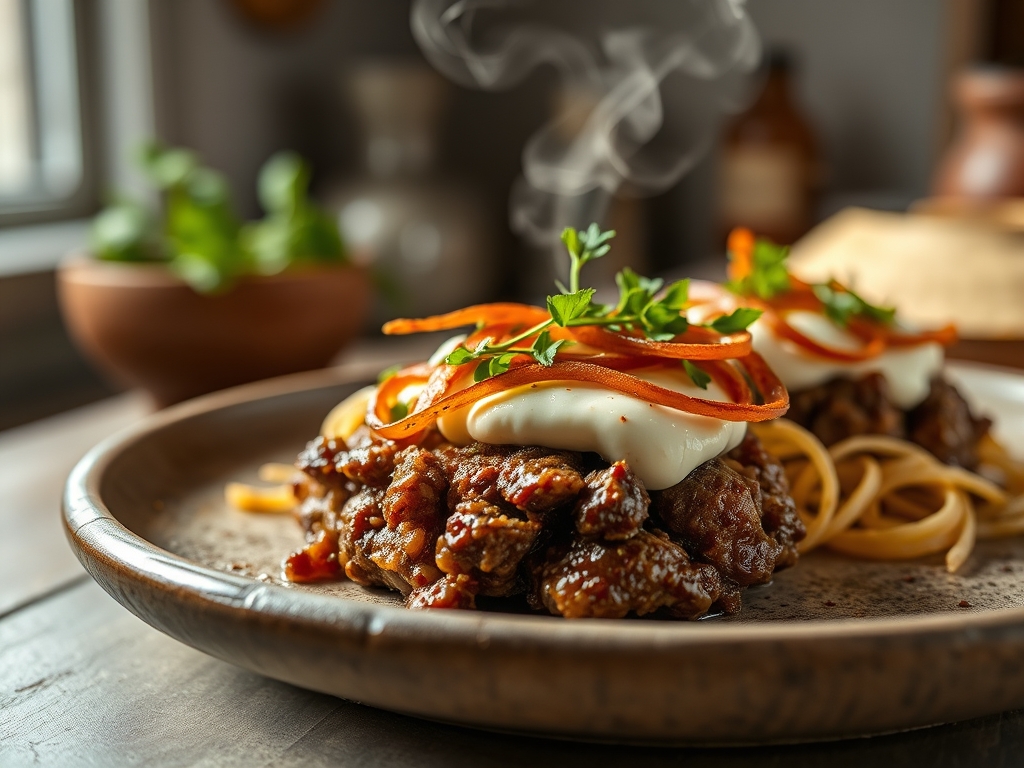
Picture this: a heavy-bottomed skillet sizzling on the stovetop, the aroma of browning meat mingling with the sharp, lactic tang of a freshly opened block of dairy. You are not just making dinner; you are orchestrating a chemical masterpiece of comfort. When you master cream cheese ground beef recipes, you are leveraging the power of lipids to create a velvet-smooth mouthfeel that standard cream or butter simply cannot replicate. It is the ultimate kitchen hack for those nights when you crave something decadent but only have twenty minutes to spare. We are diving into nine distinct ways to marry these two powerhouse ingredients, from zesty taco bakes to sophisticated stroganoffs.
The magic lies in the emulsification. While ground beef provides the savory, umami-rich foundation through the Maillard reaction, the cream cheese acts as a stabilizing agent. It creates a viscous, coat-the-back-of-the-spoon sauce that clings to every morsel of protein. Whether you are stuffing bell peppers or layering a keto-friendly casserole, the goal is a harmonious balance of salt, fat, and acid. Get your apron on and your favorite wooden spoon ready; we are about to elevate the humble pound of hamburger meat into something truly gourmet.
The Gathers:
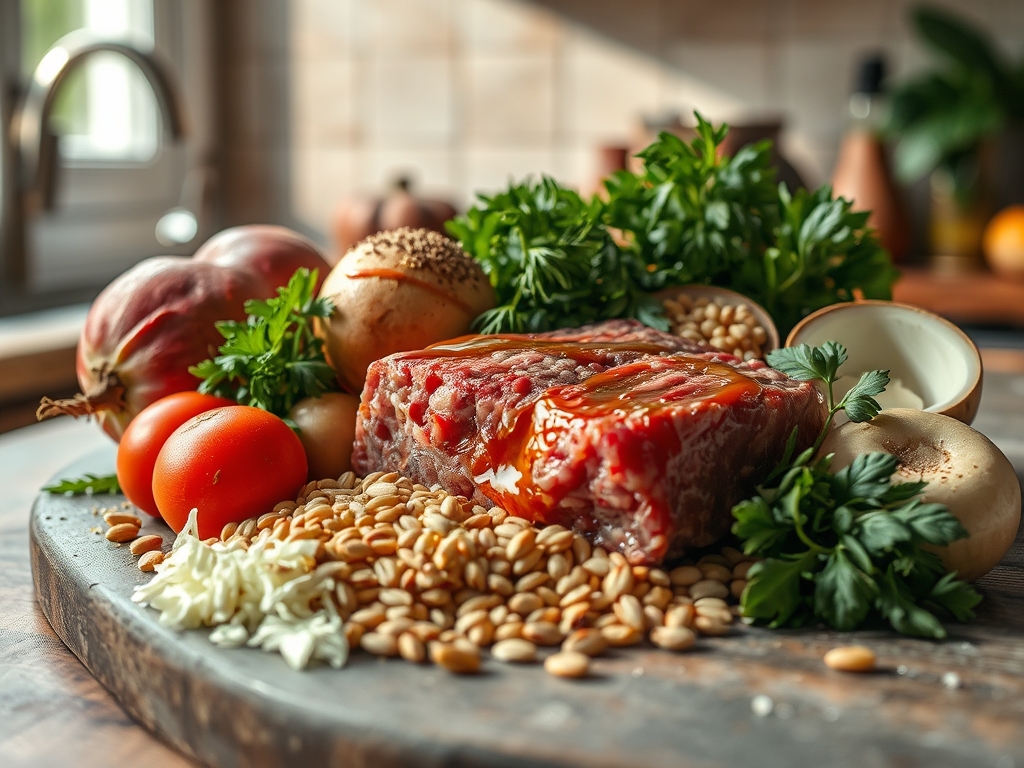
To execute these cream cheese ground beef recipes with precision, your mise-en-place must be flawless. Start with high-quality ground beef; an 80/20 blend is ideal because the rendered fat carries the flavor of your aromatics. You will need full-fat cream cheese for the best structural integrity. Low-fat versions often contain fillers that can break or become grainy when exposed to high heat. Grab your microplane for grating fresh garlic and a digital scale to ensure your portions are exact.
Smart Substitutions:
If you find yourself short on the primary dairy component, goat cheese offers a piquant, earthy alternative that mimics the texture of cream cheese. For the beef, ground bison or lamb can be swapped in to provide a deeper, more complex flavor profile. If you are looking to lighten the dish, a 50/50 split of ground turkey and beef maintains the beefy essence while reducing the overall saturated fat content. Always keep a bottle of dry white wine or beef bone broth nearby to deglaze the pan; these liquids are essential for lifting the fond (those delicious brown bits) off the bottom of your skillet.
The Clock:
Efficiency in the kitchen is all about "Chef's Flow." Most of these recipes require a 10-minute prep window and a 20-minute cook time. This 30-minute total duration is optimized by multitasking. While your meat is browning in the heavy-bottomed skillet, use that time to aerate your cream cheese by letting it sit at room temperature. Cold cheese takes longer to incorporate and can cause the temperature of your sauce to drop too quickly, resulting in a broken emulsion.
The "Flow" dictates that you should chop your aromatics (onions, peppers, celery) before the heat ever touches the pan. Once the beef begins to render its fat, you can introduce the vegetables. This allows them to soften in the beef tallow, infusing the entire dish with a layered flavor profile. By the time you are ready to stir in the cheese, the moisture from the vegetables has already created a natural base for your sauce.
The Masterclass:
1. The Sear and Render
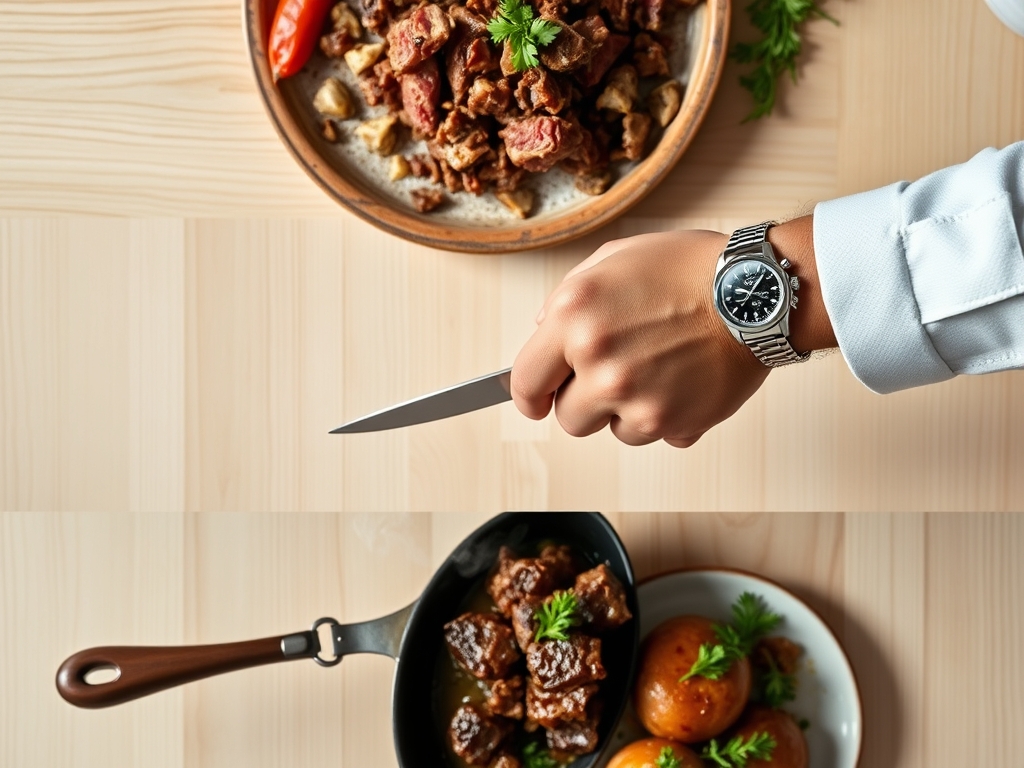
Begin by preheating your skillet over medium-high heat. Add the ground beef, using a sturdy spatula or a meat masher to break it into uniform crumbles. Do not overcrowd the pan; you want to sear the meat, not steam it.
Pro Tip: This stage relies on the Maillard Reaction, a chemical reaction between amino acids and reducing sugars that gives browned food its distinctive flavor. If the pan is too cool, the meat will gray instead of brown, losing that deep umami punch.
2. Deglazing the Fond
Once the meat is browned, remove excess fat but leave about a tablespoon in the pan. Add your aromatics and cook until translucent. Pour in a splash of liquid (broth or wine) and use your spatula to scrape up the caramelized bits stuck to the bottom.
Pro Tip: Deglazing is a form of solvent extraction. The liquid dissolves the flavorful compounds trapped in the fond, integrating them back into the sauce for a more complex finish.
3. The Tempering Technique
Lower the heat to a simmer. Cut your softened cream cheese into small cubes and add them to the skillet one by one. Stir constantly until the cheese has completely melted and the sauce is glossy.
Pro Tip: This prevents thermal shock. Adding a large block of cold cheese to a hot pan can cause the proteins to tighten and squeeze out moisture, leading to a watery, curdled sauce.
4. Flavor Infusion and Aeration
Fold in your spices and herbs at the very end. Use a whisk or a saucier spoon to gently aerate the sauce, ensuring the fats and liquids are perfectly bound.
Pro Tip: Many dried herbs are fat-soluble. By stirring them into the creamy base at the end, the lipids in the cheese trap the volatile oils, preserving the herb's aroma and flavor.
The Deep Dive:
When we look at the macro nutrition of these cream cheese ground beef recipes, we see a profile high in protein and healthy fats, making them a staple for those following a ketogenic lifestyle. A standard serving typically contains 30 grams of protein and 25 grams of fat. To make these recipes gluten-free, simply ensure your spices are pure and avoid any flour-based thickeners. For a vegan twist, use a cashew-based cream cheese and a plant-based "beef" crumble; the science of emulsification remains the same.
The Fix-It:
- The Sauce is Grainy: This usually happens if the heat was too high. Fix it by adding a tablespoon of heavy cream or warm broth and whisking vigorously off the heat.
- The Meat is Dry: You likely drained too much fat or overcooked the beef. Add a splash of Worcestershire sauce or a pat of butter to reintroduce moisture.
- The Flavor is Flat: It needs acid. A squeeze of lemon juice or a teaspoon of apple cider vinegar will brighten the fats and make the flavors pop.
Meal Prep Science:
To maintain "day-one" quality when reheating, avoid the microwave if possible. Reheat on the stovetop over low heat with a splash of milk. This gently re-emulsifies the fats without "breaking" the sauce, which happens when high-frequency microwave energy vibrates the water molecules too violently.
The Wrap-Up:
You are now equipped with the technical prowess to turn a simple block of cheese and a package of beef into a culinary event. These cream cheese ground beef recipes are more than just "easy weeknight wins"; they are a lesson in the beautiful chemistry of the kitchen. From the sizzle of the sear to the final, glossy stir of the sauce, you have mastered the art of the emulsion. Go forth, experiment with bold spices, and remember that great cooking is just as much about the science as it is about the soul.
The Kitchen Table:
How do I prevent the cream cheese from curdling?
Always soften the cheese to room temperature before adding it to the pan. Lower the heat to a simmer and stir constantly. This gradual temperature increase ensures a smooth, stable emulsion without the proteins clumping together.
Can I freeze these recipes for later?
Dairy-based sauces can sometimes separate when frozen and thawed. To fix this, reheat the dish slowly on the stovetop and whisk in a small amount of fresh cream or water to restore the original creamy texture and consistency.
What is the best beef-to-cheese ratio?
For a perfectly balanced sauce, use 4 to 8 ounces of cream cheese per 1 pound of ground beef. This provides enough viscosity to coat the meat and vegetables without overwhelming the savory flavor of the browned protein.
What are the best vegetables to add?
Bell peppers, mushrooms, and spinach are excellent choices. Mushrooms add extra umami, while peppers provide a crunch that contrasts the creamy sauce. Always sauté vegetables before adding the cheese to ensure they are fully cooked and flavorful.