
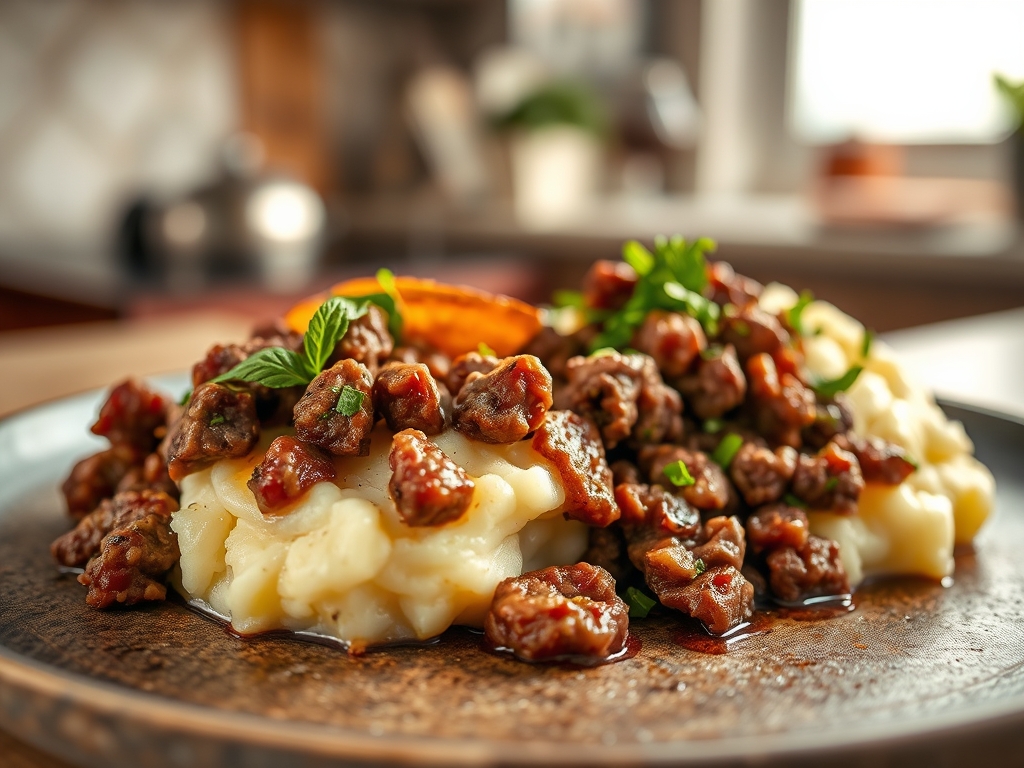
There is a specific, primal frequency that vibrates through a kitchen when onions hit hot fat and potatoes begin to steam. It is the scent of safety. When you are hunting for the ultimate ground beef and mashed potato recipes, you are not just looking for fuel; you are looking for a culinary hug that understands the Maillard reaction.
The Gathers:
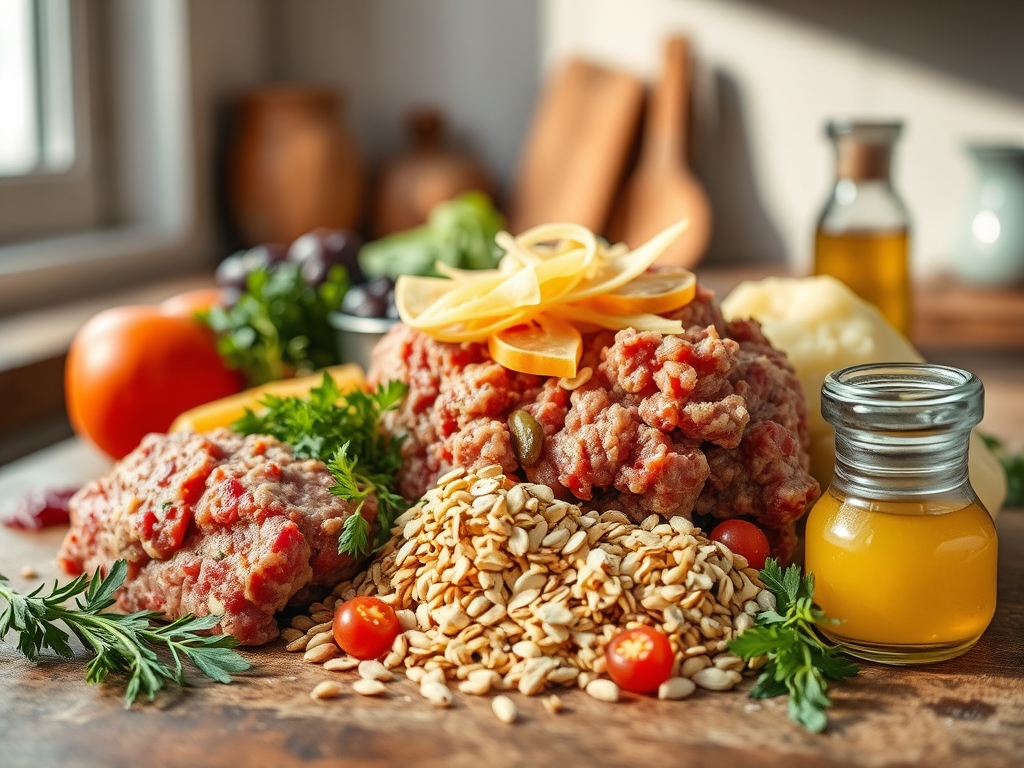
To execute these ten classics, from the structured layers of a Shepherd's Pie to the rustic charm of a hamburger steak stack, your mise-en-place must be precise. Start with the beef. You want an 80/20 blend of ground chuck. The 20 percent fat content is non-negotiable because it provides the lipids necessary to carry flavor across your palate. If you use lean 90/10, your dish will lack that luxurious mouthfeel.
For the potatoes, reach for the Yukon Gold. These are medium-starch tubers with a naturally buttery flavor and a dense parenchyma cell structure that resists becoming gluey when mashed. If you prefer a fluffier, more aerated texture, the high-starch Russet is your best friend.
Your aromatics should include yellow onions, which have a high sugar content for superior caramelization, and fresh garlic. Do not use the pre-minced jarred stuff; the sulfurous compounds degrade over time, leaving you with a metallic aftertaste. Instead, use a microplane to grate fresh cloves directly into your saucier.
Smart Substitutions:
- For a deeper umami profile, swap half the beef for ground lamb or pork.
- If you are avoiding nightshades, mashed cauliflower thickened with a touch of xanthan gum mimics the viscosity of potatoes.
- Use heavy cream instead of milk to increase the emulsification stability of your mash.
The Clock
Efficiency in the kitchen is about mastering the "Chef's Flow." You should expect a total active prep time of 20 minutes, with a cook time ranging from 30 to 45 minutes depending on whether you are finishing the dish in the oven.
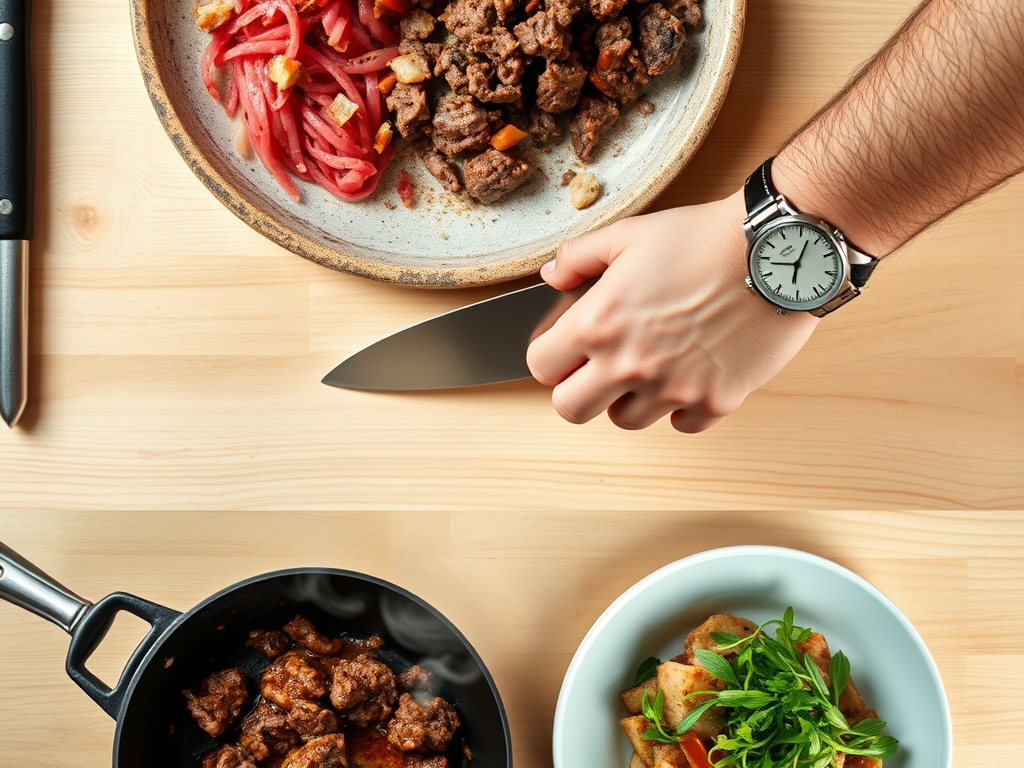
The secret to saving time is parallel processing. While your potatoes are simmering in salted water, use a heavy-bottomed skillet to render the fat from your beef. Never wait for one to finish before starting the other. By the time your digital scale confirms your beef is perfectly portioned and browned, your potatoes should be ready to drain. This overlap ensures that both components reach the assembly stage at their peak thermal state.
The Masterclass
1. The Sear and Render
Place your beef in a cold skillet and then turn the heat to medium-high. This allows the fat to melt slowly before the proteins tighten, ensuring the meat fries in its own tallow. Use a stiff silicone spatula to break the meat into uniform crumbles.
Pro Tip: This process triggers the Maillard reaction, a chemical dance between amino acids and reducing sugars. Do not crowd the pan; if you do, the moisture will steam the meat rather than sear it, resulting in a grey, dull flavor profile.
2. Deglazing the Fond
Once the beef is browned, remove it but leave the brown bits (the fond) at the bottom. Pour in a splash of dry red wine or beef stock. Use a wooden spoon to scrape the bottom of the pan.
Pro Tip: This is called deglazing. The liquid dissolves the concentrated proteins stuck to the pan, creating a viscous sauce base that is packed with concentrated flavor molecules.
3. The Potato Aeration
Drain your potatoes and let them steam for two minutes in the hot pot. This removes excess moisture. Pass them through a potato ricer or food mill into a warm bowl.
Pro Tip: Using a ricer instead of a masher prevents the overworking of potato starches. If you mash too aggressively, you rupture the starch granules, releasing amylose which turns your side dish into an elastic, gluey mess.
4. Emulsifying the Mash
Slowly fold in cold, cubed butter followed by warm cream. Use a whisk to incorporate air, making the mixture light and pillowy.
Pro Tip: Adding cold butter to hot potatoes creates a more stable emulsion. The fat coats the starch molecules before the liquid is added, which results in a silkier texture that holds its shape on the plate.
5. Final Assembly and Broil
Layer your seasoned beef in a baking dish and pipe the mashed potatoes on top using a star tip for extra surface area. Place under the broiler for 3 to 5 minutes.
Pro Tip: The high heat of the broiler causes pyrolysis, which is the decomposition of organic matter at high temperatures. This creates those crispy, golden-brown peaks that provide a textural contrast to the soft interior.
The Deep Dive
When we look at the macro nutrition of these ground beef and mashed potato recipes, we are seeing a powerhouse of protein and complex carbohydrates. A standard serving provides roughly 35g of protein and 40g of carbs. To make this Keto-friendly, simply swap the potatoes for mashed turnips or cauliflower. For a vegan twist, use "impossible" crumbles and cashew-based cream with nutritional yeast for that piquant, cheesy flavor.
The Fix-It:
- Problem: The beef mixture is too runny. Fix: Sprinkle a tablespoon of flour over the meat before deglazing to create a roux, which thickens the juices.
- Problem: The potatoes are bland. Fix: Always salt the boiling water. Potatoes absorb salt more effectively during the hydration phase than after they are mashed.
- Problem: The dish is too heavy. Fix: Add a teaspoon of apple cider vinegar or lemon juice to the beef. Acidity cuts through fat and brightens the entire flavor profile.
For meal prep, remember that starches undergo retrogradation when cooled. To reheat and maintain "day-one" quality, add a splash of milk and cover the dish tightly with foil. This creates a steam chamber that re-hydrates the starch molecules without drying out the beef.
The Wrap-Up
Mastering ground beef and mashed potato recipes is the ultimate badge of honor for any home cook. It is where chemistry meets comfort. By focusing on the science of the sear and the precision of the mash, you transform humble ingredients into a five-star experience. Grab your heavy-bottomed skillet and get to work; your kitchen is waiting for that savory transformation.
The Kitchen Table
Why are my mashed potatoes gummy?
Gummy potatoes occur when you overwork the starch. Using a food processor or over-mashing releases too much amylose. Use a potato ricer for a fluffy, light texture that avoids the glue-like consistency.
Can I freeze ground beef and potato dishes?
Yes, but texture may change slightly. The potatoes can become grainy upon thawing due to water separation. To fix this, stir in a little extra warm cream after reheating to re-emulsify the fats and starches.
What is the best fat ratio for ground beef?
An 80/20 ratio is ideal. The 20 percent fat provides the necessary moisture and flavor for the beef to remain succulent during the baking process, preventing the meat from becoming dry or crumbly.
How do I get a crispy top on my potatoes?
Use a fork to create ridges on the surface of the mash. These increased surface areas catch the heat of the broiler, leading to localized caramelization and a delightful crunch against the soft interior.
Should I peel potatoes before boiling?
Peeling before boiling ensures a smoother mash. However, boiling with skins on preserves more nutrients. If you peel after boiling, use a bench scraper to quickly remove the skins while the tubers are still hot.