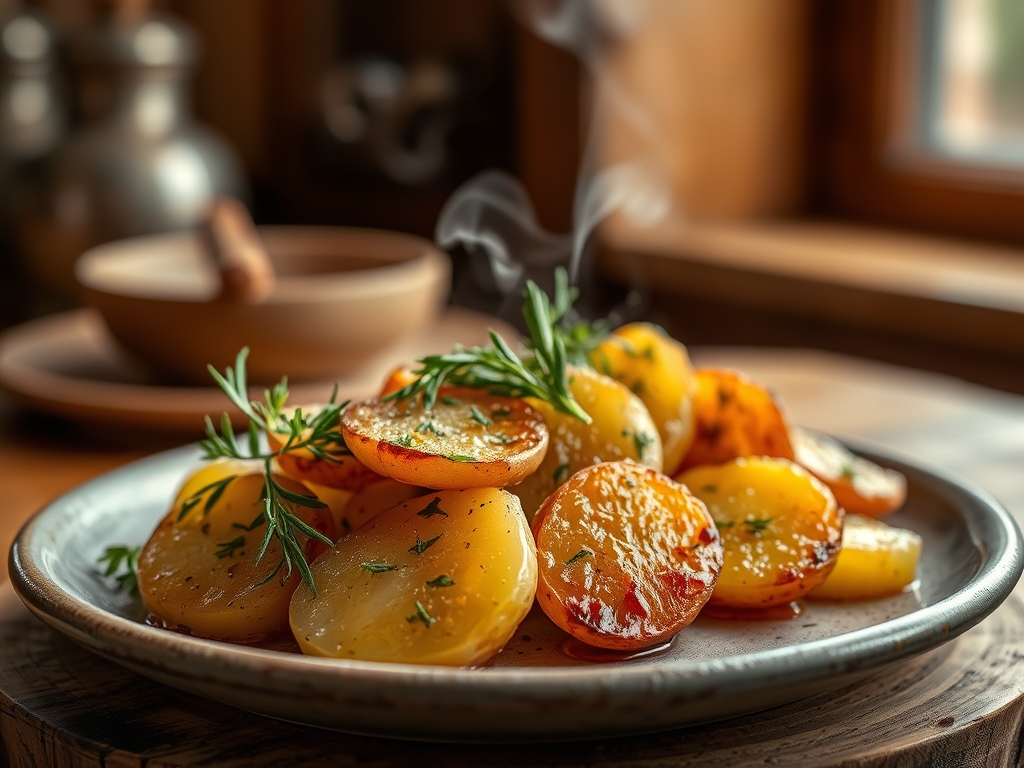
Imagine the scent of rendered bacon fat swirling through a crisp autumn kitchen. There is a specific, soulful magic found in german potato recipes that transcends simple comfort food. We are talking about the perfect marriage of acidic vinegar, earthy starch, and the Maillard reaction. It is time to master the humble tuber through a lens of precision and heat.
The secret to these dishes lies in the structural integrity of the potato itself. Whether you are aiming for the silkiness of a Kartoffelsuppe or the shatter-crisp edges of a Bratkartoffel, understanding starch behavior is your superpower. We are moving beyond the bland, boiled spuds of school lunches. Instead, we will explore the piquant world of regional German classics that rely on high-quality fats and balanced seasoning. These recipes are not just about filling a plate; they are about engineering a specific mouthfeel that balances the heavy with the bright.
By the time we finish this masterclass, you will be able to manipulate amylose and amylopectin like a seasoned chef. We are diving into the science of the perfect sear and the chemistry of a stable emulsion. Grab your apron and your favorite heavy-bottomed skillet. We are about to turn your kitchen into a high-end Bavarian tavern.
The Gathers:
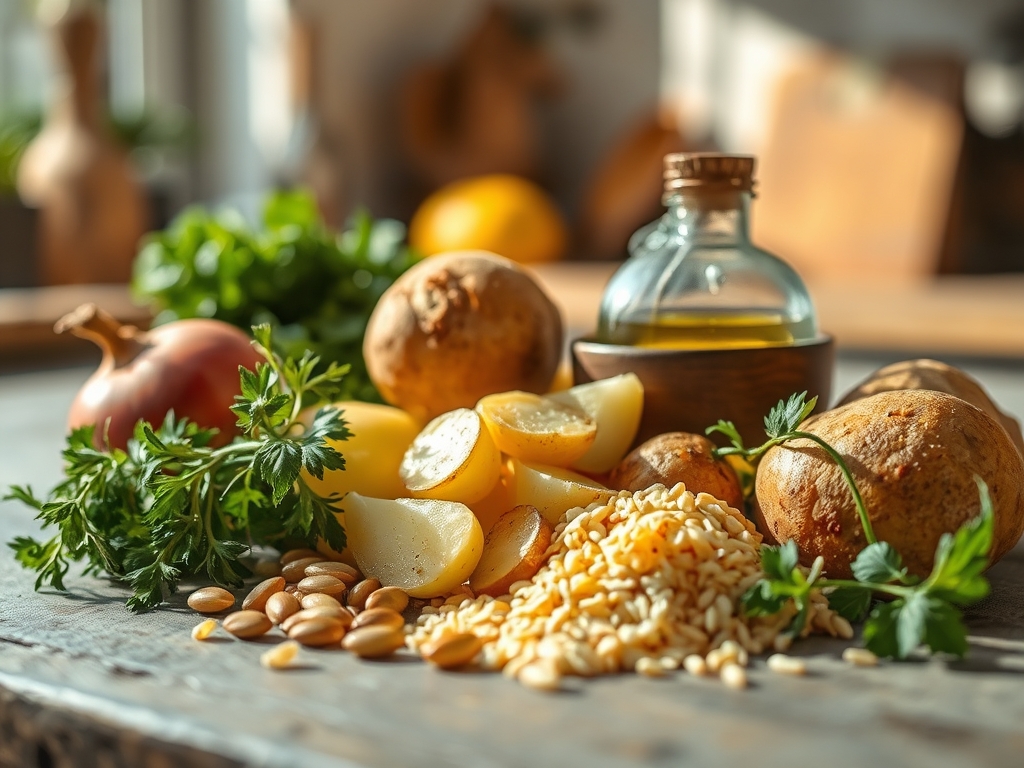
To execute these german potato recipes with professional finesse, your mise-en-place must be immaculate. You will need high-starch Russets for fluffiness and waxy Yukon Golds for dishes requiring structural resilience. Have your digital scale ready; precision in weight ensures the ratio of fat to starch is perfect every time.
Your pantry should feature high-quality apple cider vinegar for that signature piquant finish. For fats, keep unsalted European-style butter and thick-cut speck or bacon nearby. The higher fat content in European butter provides a more viscous coating for the potatoes. Fresh herbs are non-negotiable; flat-leaf parsley and chives provide the aromatic lift needed to cut through the richness.
Smart Substitutions:
If you are looking for a lighter profile, swap the bacon fat for a high-smoke-point avocado oil. For a vegan twist on the creamy salads, a silken tofu base blended with a touch of mustard mimics the traditional egg-yolk emulsion perfectly. If you cannot find authentic German speck, a double-smoked pancetta offers a similar depth of flavor. Always use a microplane to grate your nutmeg and garlic; this increases the surface area and allows the flavors to infuse more deeply into the hot starch.
The Clock
Preparation for these classics requires a specific "Chef's Flow" to ensure nothing turns to mush. Total active time usually clocks in at 45 minutes, with an additional 30 minutes for boiling and cooling. The cooling phase is not just downtime; it is a structural necessity.
Start by boiling your potatoes in their skins. This prevents water logging and preserves the cellular structure. While the tubers simmer, use your bench scraper to clear your station and prep your aromatics. The "flow" dictates that you render your fats while the potatoes are still warm. This allows the starch to absorb the flavors as the temperature drops. If you are making a salad, the dressing must hit the potatoes while they are steaming to ensure the vinegar penetrates the core.
The Masterclass
1. The Parboil and Peel
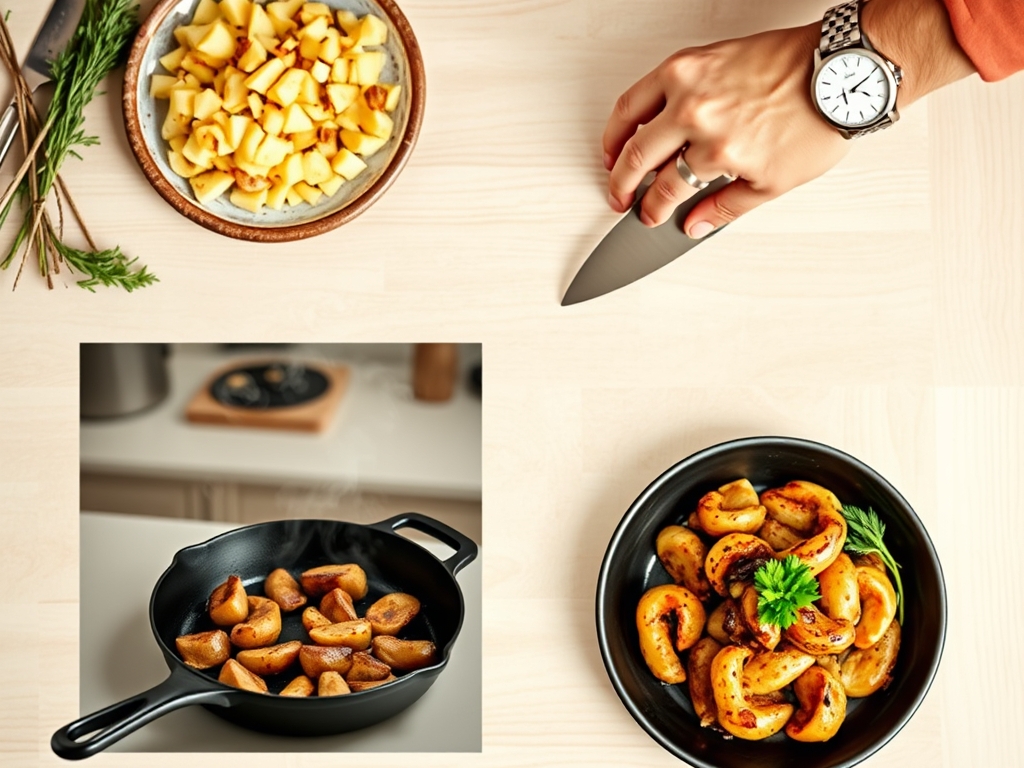
Place whole potatoes in cold salted water and bring to a simmer. Boiling from cold ensures the exterior does not disintegrate before the center is tender. Once fork-tender, drain and peel while still warm using a clean kitchen towel to hold them.
Pro Tip: This method prevents enzymatic browning. By cooking the potato immediately, you deactivate the enzymes that cause discoloration when exposed to oxygen.
2. Precision Slicing
Using a sharp chef knife or a mandoline, slice the potatoes into uniform rounds. Uniformity is the key to even heat distribution. If the slices vary in thickness, some will turn to mash while others remain undercooked.
Pro Tip: Aim for 1/4 inch thickness. This creates enough surface area for the Maillard reaction to occur on the outside while keeping the interior creamy.
3. Rendering the Fat
In a heavy-bottomed skillet, cook your diced bacon or speck over medium-low heat. You want to slowly render the fat until the bits are golden and crispy. Remove the solids with a slotted spoon, leaving the liquid gold in the pan.
Pro Tip: Slow rendering prevents the fat from reaching its smoke point, which preserves the delicate flavor compounds and prevents a bitter aftertaste.
4. The High-Heat Sear
Increase the heat to medium-high and add your potato slices in a single layer. Do not overcrowd the pan. Let them sit undisturbed for 4 to 5 minutes to develop a deep, mahogany crust.
Pro Tip: Resisting the urge to toss the potatoes allows for thermal carryover. The heat builds up at the contact point, creating a structural crust that prevents the potato from breaking apart.
5. Aromatics and Deglazing
Add your diced onions and sauté until translucent. Once the onions are soft, deglaze the pan with a splash of beef stock or vinegar. Use a tongs or a spatula to scrape up the fond (those delicious brown bits) from the bottom of the pan.
Pro Tip: Deglazing creates a pan sauce that acts as a bridge ingredient, linking the sharp acidity of the vinegar with the savory notes of the potato.
6. The Final Emulsion
Fold the crispy bacon bits back into the pan. Toss gently with fresh herbs and a pinch of sugar to balance the acidity. The starch from the potatoes will naturally thicken the liquids into a light, glossy glaze.
Pro Tip: This is a physical emulsion. The agitation of tossing combined with the released starch creates a viscous coating that clings to each slice.
The Deep Dive
Macro Nutrition:
German potato recipes are carbohydrate-dense but provide significant potassium and Vitamin C. By using high-quality fats and lean proteins like speck, you can balance the glycemic load. A standard serving contains approximately 250-300 calories, depending on the amount of fat used for frying.
Dietary Swaps:
- Vegan: Use smoked paprika and liquid smoke to mimic the bacon flavor in a base of olive oil.
- Keto: Swap potatoes for roasted cauliflower or daikon radish to maintain the flavor profile with fewer carbs.
- Gluten-Free: Naturally GF! Just ensure your beef stock or mustard does not contain hidden thickeners.
The Fix-It:
- Soggy Potatoes: Usually caused by overcrowding. Cook in batches to ensure moisture evaporates quickly.
- Broken Slices: You likely overboiled them. Next time, pull them when they are "al dente." Fix it now by turning the dish into a rustic mash.
- Too Sour: If the vinegar is overpowering, whisk in a teaspoon of honey or a knob of butter to mellow the acidity.
Meal Prep:
To reheat, avoid the microwave as it turns the starch gummy. Use a saucier or skillet over medium heat with a teaspoon of water. The steam will re-hydrate the starch molecules while the dry heat restores the exterior crispness.
The Wrap-Up
Mastering these german potato recipes is about more than just following a list of ingredients. It is about understanding the physics of heat and the chemistry of flavor. When you get that perfect crunch followed by the hit of piquant vinegar, you will understand why these dishes have remained staples for centuries. Go ahead, get that skillet screaming hot and show those tubers who is boss!
The Kitchen Table
Which potato is best for German salad?
Waxy varieties like Yukon Gold or Red Bliss are superior. They contain less starch and more moisture, allowing them to hold their shape after slicing and tossing with hot dressings without turning into mashed potatoes.
Can I make these recipes ahead of time?
Absolutely. German potato salad actually improves after 24 hours as the flavors infuse. However, fried dishes like Bratkartoffels are best served immediately to maintain the textural contrast between the crispy exterior and the creamy center.
Why do my potatoes stick to the pan?
This usually happens if the pan or the fat isn't hot enough. Ensure the oil is shimmering before adding the potatoes. Also, avoid moving them too soon; they will naturally release once a crust has formed.
Is the skin left on or off?
Traditionally, potatoes are boiled in their skins to preserve flavor and structure, then peeled while warm. This prevents the potato from absorbing excess water, which would dilute the final dressing or prevent a good sear.