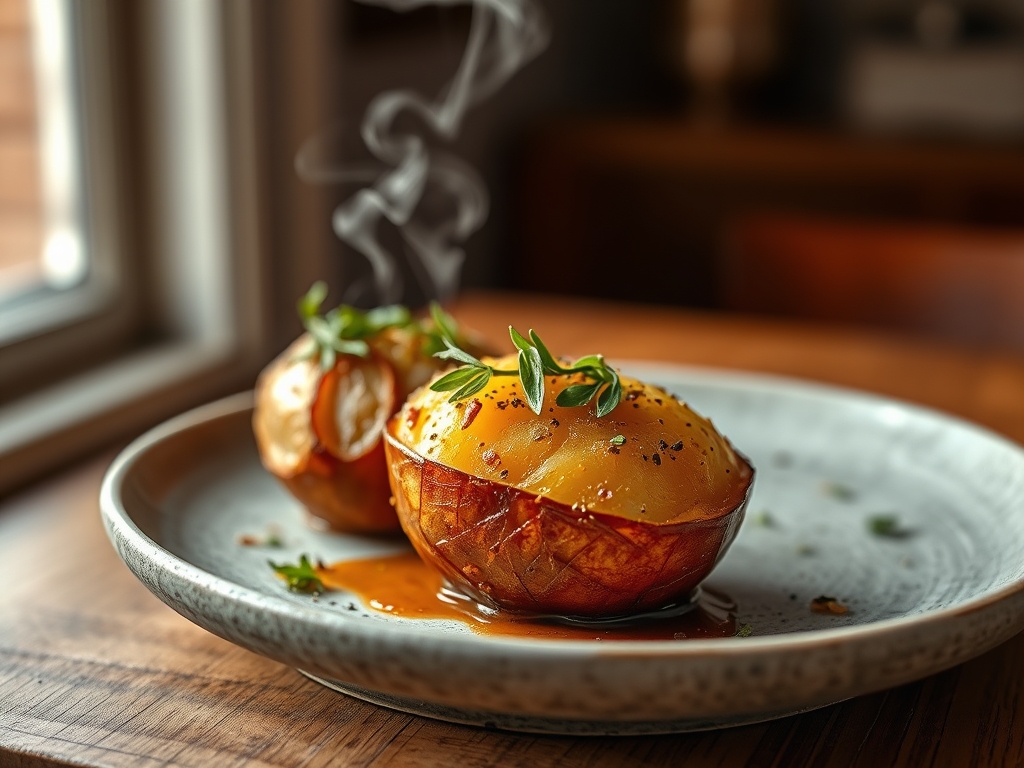
Picture a heavy-bottomed skillet sizzling on the stove as the scent of rosemary and rendered fat fills your kitchen. There is something uniquely satisfying about the snap of a crisp, crimson peel yielding to a buttery, cream-colored center. When you master red skin potato recipes, you are not just cooking; you are performing a delicate dance of moisture control and starch gelatinization.
These vibrant tubers are the unsung heroes of the root vegetable world. Unlike their starchy Russet cousins, red potatoes are waxy and low in amylose starch. This molecular structure means they hold their shape under intense heat, making them the perfect candidate for high-impact culinary techniques. Whether you are aiming for a smashed crust that shatters like glass or a silky salad that refuses to turn into mush, the secret lies in respecting the skin.
Today, we are moving beyond the basic boil. We are diving into eight fresh, vibrant hacks that transform these rubies into restaurant-quality masterpieces. From the Maillard reaction to the physics of steam, let us unlock the full potential of your pantry staples. Grab your apron and your sharpest chef knife; it is time to turn these humble spuds into the star of the show.
The Gathers:
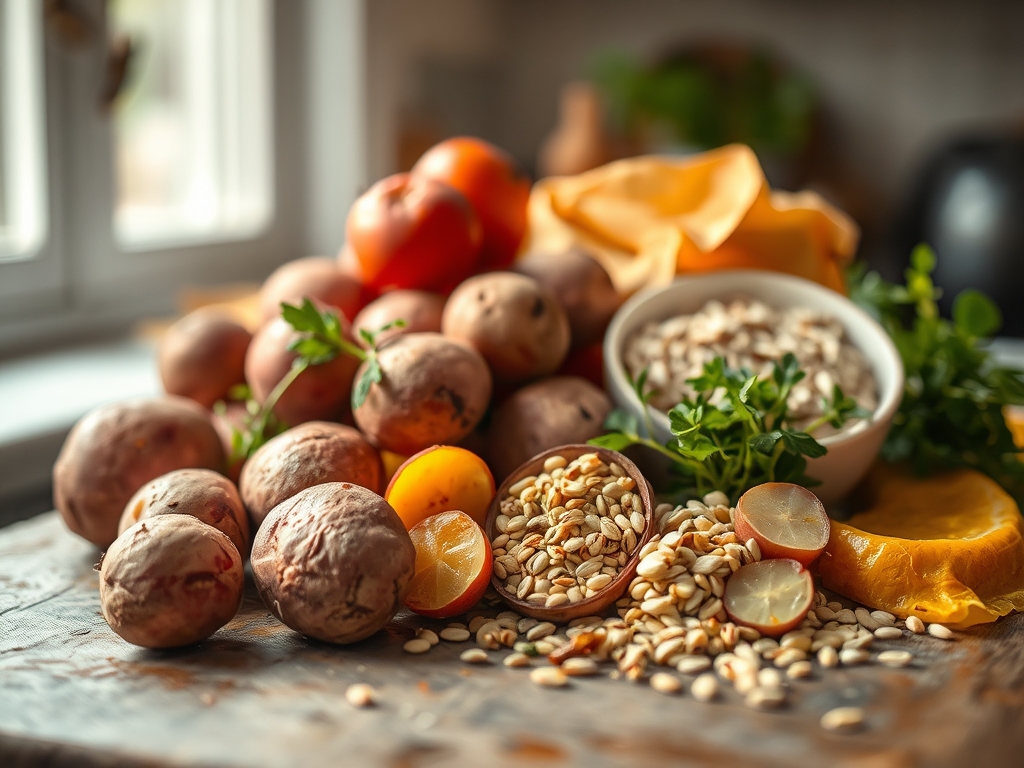
Before we ignite the burners, we must assemble our mise-en-place with precision. Quality red skin potato recipes live or die by the integrity of the raw materials. Look for tubers that are firm to the touch with no soft spots or "eyes" beginning to sprout. The skin should be thin and taut, indicating high moisture content and low sugar conversion.
The Essential Kit:
You will need a digital scale for consistency; weight is always more accurate than volume when dealing with irregularly shaped vegetables. A bench scraper is vital for transferring chopped pieces without dulling your knife. For the best crust, a heavy-bottomed skillet (cast iron or carbon steel) is non-negotiable because it provides the thermal mass needed for even browning.
The Flavor Profile:
Gather high-smoke-point fats like clarified butter or avocado oil. For aromatics, use fresh thyme, smashed garlic cloves, and a high-quality sea salt like Maldon for texture. A microplane is your best friend here for zesting lemon or grating hard cheeses like Pecorino Romano over the finished dish.
Smart Substitutions:
If you cannot find red skins, New Potatoes are your best bet. If you are looking for a lower-glycemic option, you can swap half the potatoes for radishes; when roasted, they lose their piquant bite and mimic the texture of a waxy potato. For a vegan fat substitute, refined coconut oil provides a similar saturated fat structure to butter, ensuring that coveted "crunch" factor.
The Clock
Efficiency in the kitchen is about understanding "Chef's Flow." Most red skin potato recipes require approximately 15 minutes of active prep time and 30 to 45 minutes of cooking time. However, the real secret is the parboil window. By boiling your potatoes for 8 to 10 minutes before roasting, you gelatinize the exterior starch, which later dehydrates in the oven to create a thick, crispy crust.
Total time from pantry to plate usually clocks in at 60 minutes. To optimize your flow, use the roasting time to prepare your emulsified dressings or herb oils. This ensures that the moment the potatoes exit the heat, they can be tossed while their surface area is still hot and porous, allowing them to infuse with flavor more effectively.
The Masterclass:
1. The Ultra-Crisp Smash
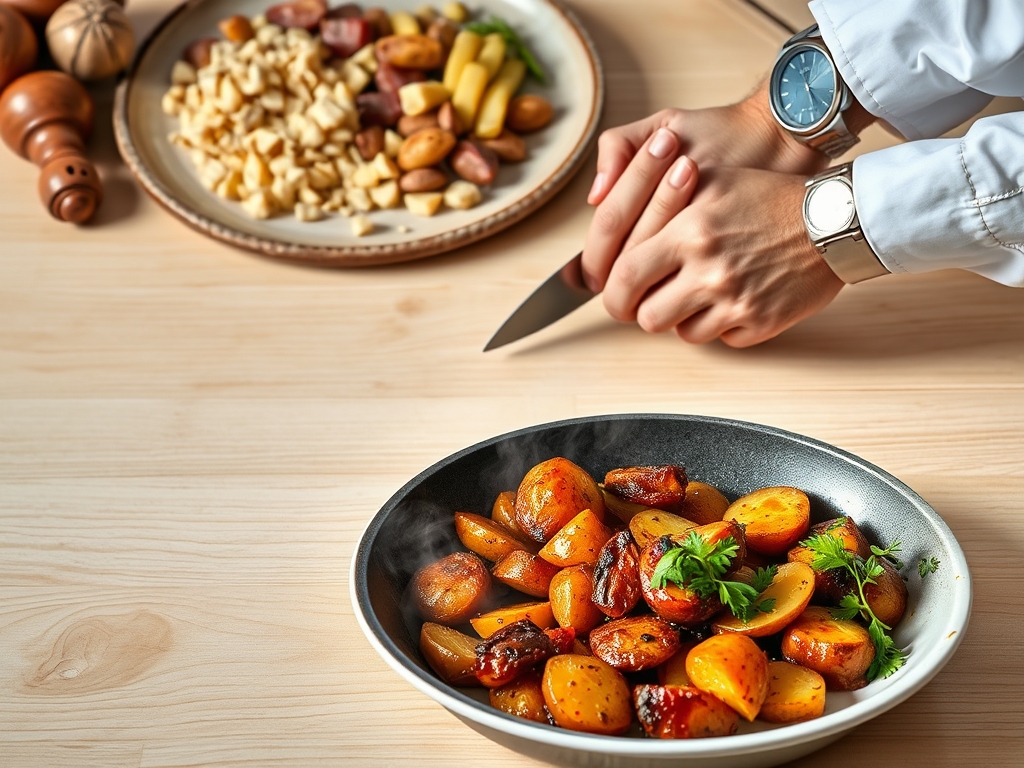
Place parboiled potatoes on a baking sheet and use the bottom of a heavy glass to crush them until they are about half an inch thick. Drizzle with fat and roast at 425 degrees Fahrenheit.
Pro Tip: This relies on increasing the surface area-to-volume ratio. By smashing the potato, you create crannies where oil can pool, facilitating a deeper Maillard reaction and a more complex flavor profile.
2. The Acid-Blanched Salad
Boil your sliced red potatoes in water heavily spiked with white vinegar and salt. This prevents the pectin from breaking down too quickly.
Pro Tip: Vinegar acts as a "glue" for the cell walls. This chemical reaction ensures your potato slices stay intact and firm even when tossed with a viscous mustard vinaigrette.
3. The Hasselback Precision
Place a potato between two wooden spoons and slice thin ribbons. The spoons act as a guard so you do not cut all the way through. Brush with garlic-infused oil.
Pro Tip: This technique utilizes evaporative cooling. The thin slices allow steam to escape rapidly, which dehydrates the edges and results in a chip-like texture on top while the base remains soft.
4. The Saucier Braise
Halve the potatoes and sear them cut-side down in a saucier. Add a splash of chicken stock and cover. The liquid will reduce into a thick glaze.
Pro Tip: This is an example of emulsification. As the potato releases starch into the stock and fat, it creates a natural pan sauce without the need for additional flour or thickeners.
5. The Herb-Infused Confit
Submerge small red potatoes in olive oil with peppercorns and bay leaves. Cook at a very low temperature (around 200 degrees) until tender.
Pro Tip: This low-temperature method prevents enzymatic browning and keeps the interior texture incredibly dense and "fudgy" rather than fluffy.
6. The Microplane Dusting
Once roasted, immediately toss your potatoes with a mixture of nutritional yeast, lemon zest, and smoked paprika using tongs for even distribution.
Pro Tip: The thermal carryover from the oven allows the dry seasonings to adhere to the residual surface oils, creating a flavorful crust that won't fall off when served.
7. The Cast Iron Char
Start your potatoes on the stovetop in a cold pan with fat. Gradually increase the heat to render the skins slowly before finishing in the oven.
Pro Tip: Starting in a cold pan allows the heat to penetrate the core of the potato at the same rate the exterior browns, preventing a raw center.
8. The Aerated Mash
For a chunky red-skin mash, use a potato masher rather than a blender. Fold in cold cubes of butter and a splash of heavy cream.
Pro Tip: Over-working red potatoes releases too much starch, turning them "gluey." Using a manual tool keeps the starch granules intact for a lighter, more pleasant mouthfeel.
The Deep Dive
From a nutritional standpoint, red skin potato recipes are a powerhouse. They are naturally gluten-free and packed with Vitamin C, potassium, and B6. Because we keep the skins on, we are retaining the bulk of the fiber and antioxidants found in the pigment.
Dietary Swaps:
For a Keto-friendly adjustment, replace half the potatoes with cauliflower florets; they roast in roughly the same time. To make any of these recipes Vegan, use a high-quality extra virgin olive oil or vegan butter substitute. The high fat content is essential for the heat transfer required for browning.
The Fix-It:
- Soggy Potatoes: Usually caused by overcrowding the pan. The potatoes "breathe" steam; if they are too close, they steam each other. Space them out!
- Burnt Garlic: If your garlic turns bitter, you added it too early. Add aromatics in the last 5 to 10 minutes of roasting.
- Grey Interiors: This is oxidation. Keep peeled or cut potatoes in cold water until you are ready to cook to block oxygen exposure.
Meal Prep Science:
To reheat red potatoes without them getting rubbery, avoid the microwave. Use an air fryer or a toaster oven. The rapid air circulation recreates the convection environment, re-crisping the skin while gently warming the interior starch.
The Wrap-Up
Mastering red skin potato recipes is a gateway to becoming a more confident, intuitive cook. Once you understand how starch, fat, and heat interact, you can stop following recipes and start creating your own culinary art. These eight hacks are just the beginning; experiment with different herbs, fats, and textures to find your signature style. Remember, the best food is made with a bit of science and a lot of heart. Now, go get that skillet hot!
The Kitchen Table
Can I make these recipes ahead of time?
Yes. You can parboil the potatoes up to 24 hours in advance. Store them in the refrigerator. This actually helps develop a crispier crust because the starch undergoes retrogradation, making the exterior even firmer when it finally hits the hot oil.
Why are my red potatoes always waxy?
Red potatoes are naturally high in moisture and low in starch. This "waxy" texture is their defining characteristic. It makes them perfect for boiling, roasting, and salads because they hold their shape instead of disintegrating like starchy Russet potatoes.
Do I have to peel red potatoes?
Absolutely not. The skin of a red potato is thin, nutrient-dense, and provides a beautiful color contrast. In most red skin potato recipes, the skin is essential for providing a textural "snap" that balances the creamy interior.
What is the best oil for roasting potatoes?
Use an oil with a high smoke point like avocado oil, grapeseed oil, or clarified butter (ghee). These fats can withstand the 400-degree temperatures required to achieve a golden-brown crust without breaking down or tasting burnt.
How do I stop potatoes from sticking to the pan?
Ensure your pan is preheated before adding the potatoes. When the cold potato hits the hot fat, it creates a steam barrier that prevents it from bonding to the metal. Also, avoid flipping them too early; let the crust form first.