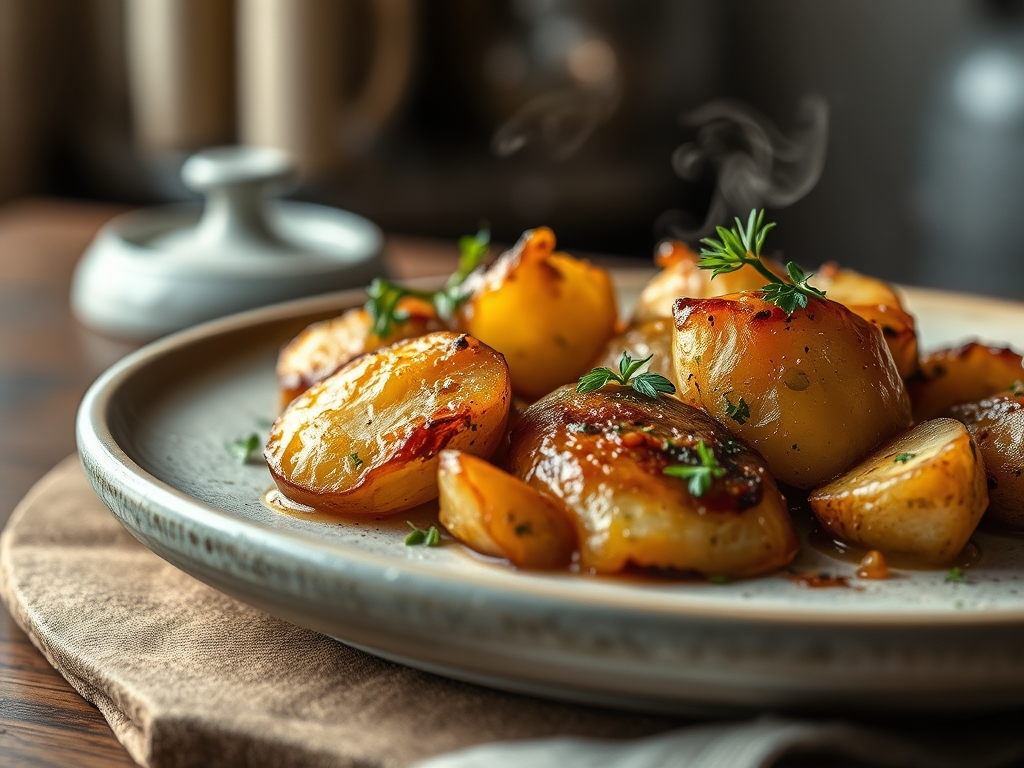
Imagine the scent of rosemary and rendered duck fat swirling through your kitchen as a heavy-bottomed skillet sizzles on the stovetop. We are moving beyond the side dish mentality. When you master these main course potato recipes, you transform the humble tuber into a structural masterpiece that anchors the entire dinner table with golden, shattered-glass crusts and velvety interiors.
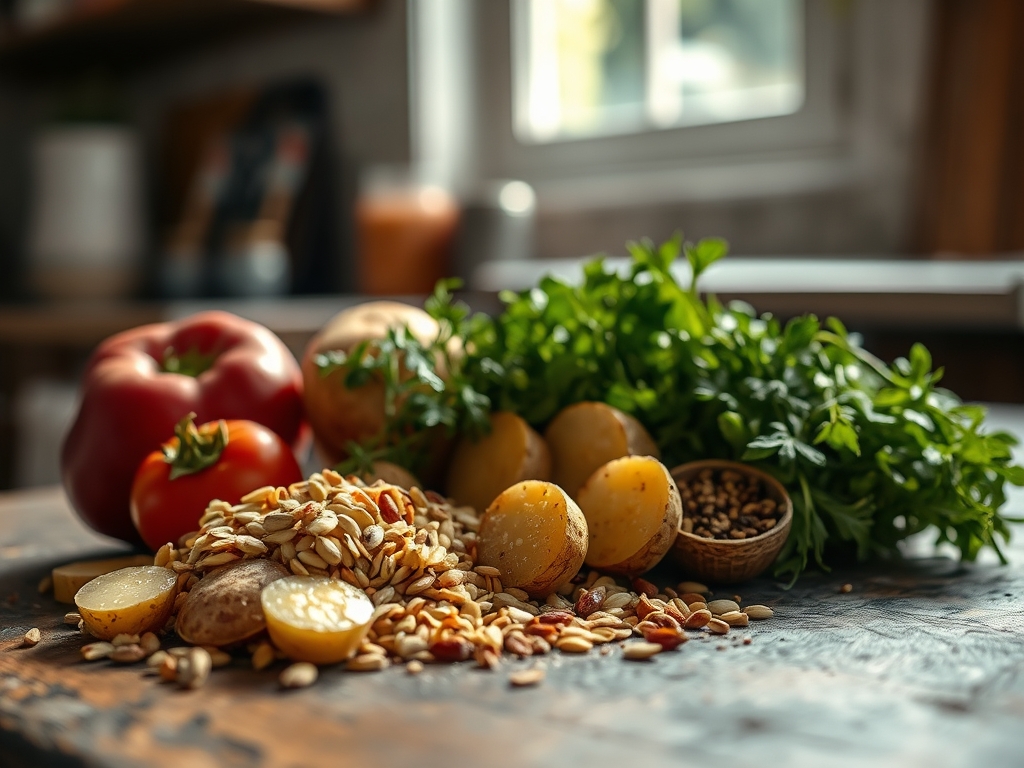
The Gathers:
To execute these main course potato recipes with precision, your mise-en-place must be flawless. We are looking for high-starch varieties like the Russet or the buttery Yukon Gold. The Russet contains a high percentage of amylose starch; this is the secret to that fluffy, cloud-like interior. Conversely, the Yukon Gold offers a waxy, viscous texture that holds its shape during long braises.
You will need a sharp chef knife for uniform slicing to ensure even heat distribution. Gather your aromatics: fresh thyme, whole garlic cloves for infusing oils, and coarse kosher salt. The salt is not just for flavor; it draws out surface moisture via osmosis to facilitate a better crunch.
Smart Substitutions:
If you are avoiding nightshades, Japanese sweet potatoes offer a similar starch profile but with a lower glycemic index. For a dairy-free richness, swap butter for cold-pressed avocado oil; its high smoke point allows for intense searing without the bitter acridity of burnt milk solids. If you lack a specific herb, dried oregano can be bloomed in hot fat to mimic the piquant punch of fresh marjoram.
The Clock:
The "Chef's Flow" is all about overlapping tasks to minimize downtime. Expect a total active prep time of 25 minutes, with a thermal transformation in the oven lasting between 45 to 60 minutes.
Start by preheating your oven. While it reaches the target temperature, perform your knife work. If a recipe calls for parboiling, get your water to a rolling boil immediately. By the time your potatoes are chopped, the water is ready. While the potatoes roast, use that 45-minute window to prepare your emulsified sauces or crisp your garnishes. This ensures that every element of the meal hits the plate at the peak of its sensory profile.
The Masterclass:
1. The Parboil and Rough-Up
Place your potato chunks into cold, heavily salted water and bring to a simmer. Boiling for just 8 to 10 minutes softens the exterior cells without collapsing the core. Drain them and give the colander a vigorous shake to create a starchy "mash" on the surface.
Pro Tip: This surface slurry increases the surface area for the Maillard reaction. By creating more "nooks and crannies," you provide more space for fat to settle and crisp up, resulting in a crunch that lasts.
2. The Fat Infusion
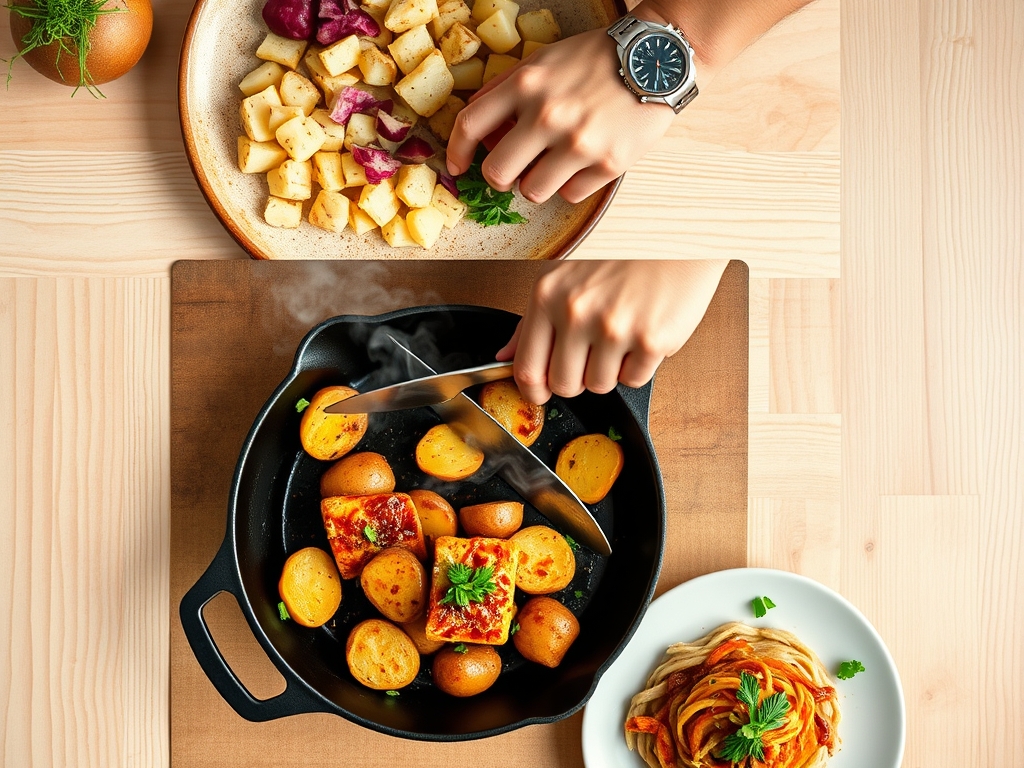
While the potatoes are steaming dry, heat your fat in a heavy-bottomed skillet or roasting pan. Whether using tallow, ghee, or olive oil, ensure it is shimmering. Toss the potatoes in the hot fat until every millimeter is coated.
Pro Tip: This is called lipid encapsulation. Coating the starch in fat before it hits the high dry heat of the oven prevents the interior moisture from escaping too quickly, keeping the center creamy while the outside dehydrates into a crust.
3. The High-Heat Roast
Spread the potatoes in a single layer. Do not crowd the pan. Roast at 425 degrees Fahrenheit, flipping only once halfway through the process. Use a bench scraper or sturdy tongs to ensure you don't break the delicate crusts.
Pro Tip: Crowding the pan causes "steaming" rather than "roasting." If the moisture escaping the potatoes cannot dissipate, the temperature drops, and you lose the chance for enzymatic browning.
4. The Aromatic Finish
In the final five minutes of cooking, toss in smashed garlic cloves and woody herbs like rosemary. The residual heat will infuse the oil without burning the delicate leaves.
Pro Tip: This utilizes volatile oil extraction. The heat breaks down the cell walls of the herbs, releasing essential oils into the fat, which then coats the potatoes in a final layer of intense flavor.
5. The Rest and Season
Once out of the oven, transfer the potatoes to a wire rack for two minutes before serving. Season with a final pinch of flaky sea salt and a zest of lemon using a microplane.
Pro Tip: Thermal carryover continues to cook the center for a few minutes after removal. Resting on a rack prevents the bottom from becoming soggy due to trapped steam.
The Deep Dive:
From a macro nutrition perspective, a large potato provides roughly 160 calories, zero fat, and a significant dose of Vitamin C and potassium. When served as a main course, the satiety index of a boiled or roasted potato is remarkably high; it keeps you full longer than pasta or white rice.
Dietary Swaps:
For a Vegan version, use nutritional yeast and truffle oil to provide the umami depth usually found in parmesan or butter. For Keto enthusiasts, this recipe is a "cheat day" favorite, but you can swap half the potatoes for roasted cauliflower florets to lower the net carb count. These recipes are naturally Gluten-Free, provided you avoid flour-based dusting.
The Fix-It:
- Soggy Potatoes: Usually caused by low oven temp or crowding. Fix: Crank the heat to 450F for the last 10 minutes and move them to a larger tray.
- Burnt Garlic: Added too early. Fix: If the garlic is bitter, discard it and toss the potatoes in a fresh garlic-infused oil right before serving.
- Sticking to Pan: You didn't let the crust form fully. Fix: Wait. The potato will naturally release from the metal once the proteins and sugars have caramelized.
Meal Prep:
To reheat, avoid the microwave at all costs; it turns the starch into a rubbery mess. Instead, use an air fryer at 375F for 5 minutes or a dry skillet. This re-activates the fats and crisps the exterior to "day-one" quality.
The Wrap-Up:
Mastering main course potato recipes is a rite of passage for any home cook looking to blend scientific precision with soulful comfort. By understanding the relationship between starch, fat, and heat, you can turn a simple grocery staple into a dinner that feels like a celebration. Grab your favorite skillet, trust the process, and watch as these golden gems take center stage.
The Kitchen Table:
Which potato is best for roasting as a main?
Russets are the gold standard for a fluffy interior and shattered-glass crust. Their high starch content dehydrates quickly in the oven, allowing for maximum crunch and a light, airy center that absorbs sauces beautifully.
How do I make my roasted potatoes extra crispy?
Add a half-teaspoon of baking soda to your parboiling water. This breaks down the potato's pectin, creating a starchy slurry on the surface that browns intensely and creates an extra-thick, crunchy layer once roasted in hot fat.
Can I roast potatoes ahead of time?
Yes, you can parboil and coat them in fat up to 24 hours in advance. Store them uncovered in the fridge to allow the surface to dry out further, which actually improves the final crunch when you roast them.
Why are my roasted potatoes sticking to the pan?
This usually happens if the pan wasn't preheated or if you try to flip them too early. The Maillard reaction must complete for the potato to "self-release." Give them a few more minutes to develop a solid crust.